



Understanding Drive Recesses: Types, Uses, and Torque Advantages
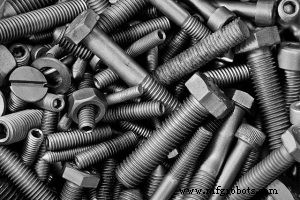
Fasteners are engineered with specific recesses—often called drive types—to accommodate various screwdriver or bit shapes. These recesses determine how a fastener is tightened, the amount of torque it can transmit, and its resistance to slippage. Below we outline the most common drive recesses and explain when each is best applied.
Square (Robertson)
Square drive recesses, also known as Robertson, feature a true square slot on the head. This design delivers higher torque than most other types and significantly reduces the chance of cam‑out. Because of these advantages, square drives are the standard choice for drywall framing, cabinetry, and general woodworking projects.
Slot
A slot drive consists of a single horizontal groove and is used with a flat‑bladed bit. While it provides lower torque compared to square or cross drives, it is sufficient for light‑weight applications such as simple furniture assembly or basic carpentry where minimal twisting force is required.
Cross (Phillips)
Cross or Phillips drives feature a plus‑shaped recess with webbing around the center. The design allows the bit to cam out under high torque, which can be advantageous in manufacturing environments that require quick tool changes. Phillips screws are ubiquitous in construction, automotive, and electronic assembly.
Fearson
Fearson screws resemble Phillips but have a smaller, unwebbed plus sign. This subtle difference makes them ideal for marine and other high‑humidity environments, as the tighter fit minimizes thread wear and allows the fastener to be driven with a single bit without cam‑out.
Torx
Torx drives feature a six‑point star shape that distributes torque evenly across the head. This design enables extremely high torque transmission while virtually eliminating slippage or cam‑out. Torx screws are common in automotive, aerospace, and high‑precision electronic applications.
Other drive types include hex socket and double‑hex socket, which require a matching wrench or socket. Hex sockets are standard in machinery and mechanical assemblies, while double‑hex sockets offer redundancy for critical applications.
Industrial equipment
- The Ultimate Guide to Nail Types: Understanding Every Variety
- The Four Core Types of Steel Explained
- Types of Sandblasting Media: Choosing the Right Material for Your Project
- Understanding the Various Roles of Factory Workers
- A Comprehensive Guide to Propane Fittings: Types, Uses, and Safety
- Cereal Crops Explained: Rice, Wheat, and Corn – The Backbone of Global Food Supply
- Exploring the Essential Hand Tools Every Carpenter and DIY Enthusiast Should Know
- Understanding Refrigerant Gases: Types, Functions, and Environmental Impact
- Explore the Different Types of Plumbing Fixtures: A Comprehensive Guide
- Types of Roof Access: Stairwells, Hatches, and Attic Entry