



Understanding the Key Components of a Bolt: A Comprehensive Guide
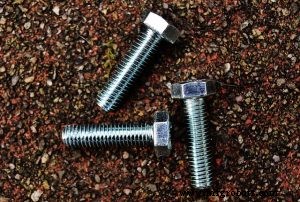
Bolts are indispensable fasteners in virtually every mechanical assembly. While they share a basic design, each part plays a crucial role in ensuring a secure, vibration‑resistant joint. Below we break down the essential elements that make a bolt reliable and effective.
Head
The head sits at the top of the bolt and provides the primary gripping surface for tools. Depending on the application, bolts feature one of several head styles, each chosen for its torque characteristics and ease of use:
- Hex: Classic six‑sided head that works with a standard wrench or socket set.
- Slotted Hex: Hex shape with a single slot for a flat‑head screwdriver, offering a balance between torque capacity and space constraints.
- Socket Cap: Flatter head designed for impact tools and quick torque application.
In all cases, the head’s design ensures that the bolt can be tightened or loosened efficiently, whether in a tight assembly or a field environment.
Shank
The shank is the smooth, non‑threaded portion of the bolt located directly beneath the head. Its primary purpose is to maintain alignment between joined parts and prevent relative movement caused by vibration or dynamic loads. A robust shank distributes forces evenly across the assembly, reducing the risk of bolt loosening. In applications with high vibration—such as automotive or aerospace components—the presence of a well‑designed shank can be the difference between a secure joint and a failure.
Threading
Threading is the hallmark of any bolt, allowing it to mate with the internal threads of a nut or pre‑threaded hole. The external threads on the bolt’s lower section engage with the corresponding internal threads, creating a strong, shear‑resistant connection. Thread design—including pitch, profile, and material—directly influences the bolt’s load capacity and resistance to fatigue. Industry standards such as ISO, ANSI, and DIN provide guidelines that ensure consistency and predictability across manufacturers.
When selecting a bolt for your project, consider each of these components—head, shank, and threading—alongside material, grade, and environmental factors. Together, they form a reliable fastening solution capable of withstanding the demands of modern engineering.
Industrial equipment
- Understanding the Four Key Components of a Gas Spring
- Why Custom-Molded Parts Are Essential for High-Performance Machinery
- The Three Core Components of a Ball Bearing
- Choosing the Right Drawer Slides: Center‑Mounted, Under‑Mounted & Ball‑Bearing Options
- DARVA – The Event Assistant: From Felt to Live Animation
- In‑House Production: The Fuse 1 Builds Its Own Parts
- Terahertz Band: Fundamentals, Properties, and Emerging Applications
- Mastering Forklift Forks: Essential Guide for Safety and Efficiency
- SEW Eurodrive Parts: Comprehensive Guide to Quality & Performance
- Discover 6 Key Advantages of CNC‑Turned Parts for Precision Manufacturing