



Understanding the Anatomy of a Screw: Parts, Functions, and Applications
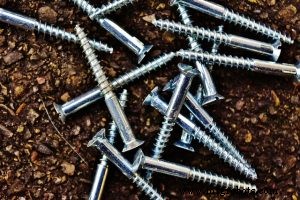
Screws are among the most ubiquitous fasteners in industry and everyday life. Unlike bolts, which rely on a separate nut, a screw secures two or more surfaces by cutting its own thread into the material. Though you may have used screws countless times, you might not know the function of each component. This guide breaks down the essential parts that are common to virtually all screw types.
The Tip
The tip, also called the point, is the very front end of the screw. A sharp, tapered tip allows the screw to bite into the material and initiate the cutting action. In hard substrates, a narrow, pointed tip is critical for smooth penetration; a blunt or wide tip can cause resistance or even damage.
The Threading
The threading consists of a helical ridge that surrounds the shank. As the screw is turned, the thread shears material out of the hole, effectively “scooping” it out and creating a secure mechanical bond. The pitch, depth, and profile of the thread vary by application and are specified in standards such as ISO 6812 or ANSI/ASME B1.1.
The Shank
The shank is the core shaft that runs between the head and the threaded portion. Many wood screws feature an unthreaded shank above the threaded section, providing a solid anchor that resists pull‑out. In contrast, structural or machine screws often have continuous threading from head to tip, delivering maximum torque and holding power.
The Head
The head is the visible top of the screw and serves as the driving interface. Two common head styles are the flat (traditional) head, which protrudes from the surface, and the countersunk head, designed to sit flush with the material. Both types incorporate one or more slots or Phillips recesses that accommodate a screwdriver or drill bit, allowing torque to be applied efficiently.
Industrial equipment
- Structural Screws: The Heavy‑Duty Fasteners Every Builder Trusts
- Understanding Screw Pitch vs Lead: Key Differences Explained
- What Are Machine Screws? A Comprehensive Guide
- Understanding Countersunk Screws: Design, Applications, and Benefits
- Countersunk vs. Non‑Countersunk Screw Heads: How They Differ and When to Use Each
- Screws: History, Materials, Design, Manufacturing, and Quality Standards
- How 3D Printing Costs Are Calculated – Key Factors & Savings Tips
- CNC Milling Advantages Explained: Precision, Efficiency, and Quality
- Refrigerated Air Dryers: How They Work & Why They're Essential
- Mastering Ductwork Fabrication: Key Principles & Expert Tips