



Understanding DN and PN Designations on Flanges: A Comprehensive Guide
How Flanges Are Classified
A flange is a flat or beveled edge that connects pipes, valves, or equipment. It can be external or internal and may serve for friction reduction or as a mounting point. Common types include pipe flange, blind flange (used to seal a pipe end), and stiffener flange (adds rigidity). Flanges are engineered to standard dimensions so they can be interchanged globally.
International standards define these dimensions: ASA/ASME (USA), PN/DIN (EU), BS10 (UK/Australia), and JIS/KS (Japan/Korea). For example, the U.S. stopped publishing ANSI B16.5 in 1996, and the equivalent standard is now ASME B16.5.
Two primary naming conventions exist: the imperial system (using pounds per square inch, psi, and nominal pipe size, NPS) and the metric system (using kilopascals, kPa, and nominal diameter, DN).
What Does PN Stand For?
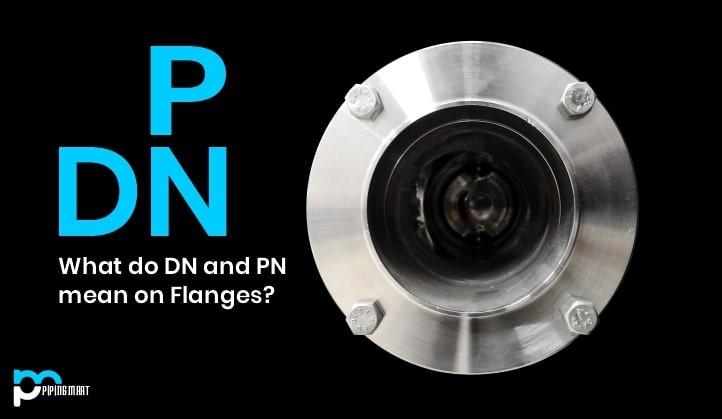
PN stands for Pressure Nominale (French for “nominal pressure”). It precedes the pressure rating of a flange. For example, a PN16 flange is rated for a maximum pressure of 16 bar. Common pressure classes are PN6, PN10, PN16, PN25, PN40, PN64, and PN100.
International standards such as ISO 7005‑1 or DIN 2501 specify both the pressure class (in bar) and the corresponding metric dimensions. Flanges designed to ANSI, AWWA, ASA, or older British specifications, which are expressed in inches, will not necessarily match these metric classes.
When selecting a PN flange, it’s advisable to consider the actual working pressure. A PN16 flange can be installed on a fitting or valve that operates at a lower pressure; however, the flange itself must still meet the PN16 rating to ensure safety and compatibility.
What Does DN Mean?
DN stands for Diameter Nominal and refers to the internal diameter of a pipe expressed in millimeters. The DN value is defined by EN ISO 6708 and is followed by a dimensionless number that approximates the true internal diameter.
Because manufacturing tolerances can cause slight variations, the true internal diameter may differ by several millimeters. Only when the DN is specified according to the DIN norm can you reliably mix pipes from different manufacturers.
For example, a DN 50 pipe has an external diameter of 60.3 mm and a wall thickness of 3.65 mm (per EN 10255), yielding an internal diameter of approximately 53 mm.
Metal
- Flange Gaskets Explained: Function, Types, and Applications
- Flat Face vs. Raised Face Flanges: Key Differences and Best Practices
- Understanding Flange Pressure Ratings: How to Pick the Right Class
- Carbon Steel Flanges: Types, Applications, and Advantages
- ISO Certification Explained: How It Boosts Quality, Safety, and Market Credibility
- How 5G Will Revolutionize Machining: Insights from Industry Experts
- Understanding Synchrotrons: Their Role and Applications in Modern Physics
- Understanding Hub Flanges: Design, Function, and Applications
- Understanding Cut and Fill: Efficient Earthwork for Construction Projects
- Understanding the Role of G-Force in Hydraulic Systems