



Flange Gaskets Explained: Function, Types, and Applications
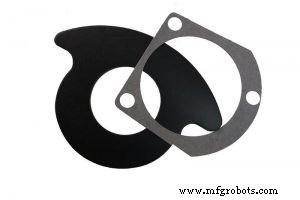
Flange gaskets are among the most frequently used gasket types in industrial piping systems. They provide a reliable seal between two flanged pipe sections, preventing leaks of fluids or gases.
Overview of Flange Gaskets
These gaskets are specifically engineered for flanged pipe connections, where the pipe ends flare outward. The gasket conforms to this irregular shape, creating a tight seal that keeps liquids or gases inside the pipeline.
How They Seal the Connection
When two flanged pipe ends are bolted together, the gasket compresses against the flared surfaces. This compression forces the gasket material—typically metal, rubber, or composite—into the micro‑irregularities of the flange, forming a continuous barrier that blocks leaks.
Common Types of Flange Gaskets
- Sheet Gaskets – A single sheet of metal (steel, stainless steel, or alloy) that is cut to match the flange profile.
- Corrugated Gaskets – Similar to sheet gaskets but stamped with a corrugated pattern. The ridges enhance flexibility and provide a better seal on uneven flanges.
- Ring Gaskets – Solid metal rings (round, oval, or octagonal) used in high‑pressure or high‑temperature applications. They offer exceptional strength and durability.
- Spiral‑Wound Gaskets – Constructed by winding a spiral of metal and filler material. The spiral ridges allow the gasket to compress uniformly, ideal for dynamic or fluctuating pressure environments.
Choosing the right gasket depends on the operating conditions—pressure, temperature, fluid type, and flange material. Consulting the manufacturer’s specifications or a qualified engineer ensures optimal performance and longevity.
Industrial equipment
- Gasket Materials Explained: Common Types & Their Applications
- The Critical Role of Gaskets in Automotive Engine Performance
- O‑Rings vs. Gaskets: Understanding Their Roles and Key Differences
- Washers vs. Gaskets: Key Differences Explained
- Understanding Flange Pressure Ratings: How to Pick the Right Class
- Understanding the Flange Forging Process: Benefits, Techniques, and Applications
- Gaskets vs. Washers: Understanding Their Distinct Roles
- Heat Exchanger Gaskets: Types, Selection, and Installation Tips
- Comprehensive Guide to Gasket Benefits, Materials, and Applications
- Understanding Hub Flanges: Design, Function, and Applications