



Spot Welding Explained: Process, Benefits, and Drawbacks
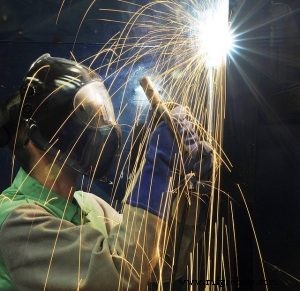
Spot welding, formally known as resistance spot welding, is a rapid, energy‑efficient technique used to join thin sheets of metal. By directing a high‑current pulse through copper‑alloy electrodes, the contact zone heats to molten temperatures, creating a solid‑state weld that fuses the sheets together within milliseconds.
The Core Mechanics of Spot Welding
In a typical spot‑welding setup, two copper‑alloy electrodes clamp the workpieces together while a controlled electrical current passes through the contact area. The combination of electrical resistance, mechanical pressure, and precise electrode geometry generates localized heat, melting the metal only at the joint interface. After the current is cut, the electrodes remain in place, allowing the molten metal to cool and solidify into a strong bond.
The process can be broken into three phases:
- Electrode Application – The electrodes are positioned and pressed onto the metal sheets.
- Current Pulse – A short, high‑current burst (typically 0.01 to 0.63 seconds) heats the joint.
- Cooling & Release – The electrodes stay in contact while the weld cools, then are lifted, leaving a sealed spot weld.
Why Spot Welding Is Favored in Industry
- Speed – Welds are completed in a fraction of a second, enabling high‑volume production lines.
- Strength – The rapid cooling process hardens the joint, often yielding tensile strengths comparable to the base metal.
- Energy Efficiency – Only the immediate contact area is heated, reducing overall energy consumption.
- Versatility – Widely used in automotive, aerospace, and appliance manufacturing to join steel, aluminum, and other alloys.
Potential Challenges of Spot Welding
While spot welding excels in speed and strength, certain trade‑offs exist:
- Warping – The localized heat can cause slight distortion, especially in thicker or high‑thermal‑expansion materials.
- Aesthetic Concerns – The visible weld bead may be undesirable for cosmetic applications, though specialized equipment can minimize this effect.
- Joint Limitation – Spot welding is best suited for thin sheets; thicker materials often require additional or alternative welding methods.
Conclusion
Spot welding remains a cornerstone of modern manufacturing, offering a blend of speed, strength, and precision that other welding processes cannot match for sheet‑metal applications. By understanding its mechanics, advantages, and limitations, engineers can leverage this technique to produce reliable, high‑quality joints across a range of industries.
Industrial equipment
- Cold Welding Explained: Bonding Metal Without Heat
- Spot Welding Explained: Definition, Process, and Applications
- Understanding Welding Torches: Types, Functions, and Applications
- Understanding Bead Welds: Types, Techniques, and Applications
- Spot Facing Explained: Achieve Smooth, Professional Finishes
- Understanding Weldments: Definition, Design, and Applications
- Spot Welding Explained: Definition, Process, and Applications
- Portable Spot Welding Machines: Definition, Operation, and Key Advantages
- Key Factors for Choosing the Best Spot Welder
- Spot Welding Machines: What They Are and Why They’re Ideal for Almirah Construction