



Understanding Welding Torches: Types, Functions, and Applications
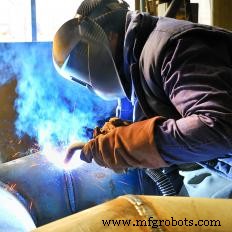
A welding torch is a mechanical tool that fuses an open flame with gas fuel and oxygen to melt two pieces of metal together, creating a tight seam. This torch is used for many purposes and in many industries. Two of the most common varieties are metal inert gas (MIG) and tungsten inert gas (TIG) welders.
A welding torch consists of a long metal stem that usually is bent at an angle at the end in order to allow the welder to aim it appropriately. The end of welding torches all feature a small, controlled flame. The metal stem is comprised of two pipes carrying gas fuel and oxygen. The welding torch is attached to a fuel source by hoses, and the welder can adjust the mix of fuel and oxygen. When the fuel and oxygen are ignited, they create a small blue flame.
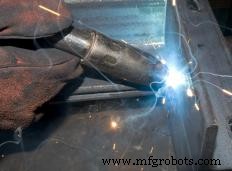
The flame reaches a temperature hot enough to melt metals as diverse as tin, aluminum and steel. The welding torch is placed between two pieces of metal and creates sparks as it heats the metals to their melting point. A welding torch takes only a few seconds to begin connecting the two metals. The flame is moved along the surface of both metals, essentially melting them together and forming a strong bond.
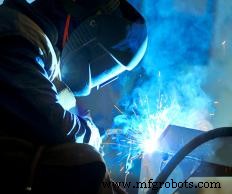
The MIG welding torch is the more common type, and it uses oxygen, gas and fire to meld two metals together. The TIG torch on the other hand, uses the same process of heating to join metals but focuses on utilizing tungsten electrodes in order to make the weld. This benefits the welder because the torch creates its own shield of gas, reducing the splatter from hot metals.
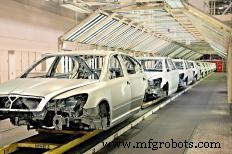
No matter what type of welding torch is being used, the results are crucial in many industries. Metalworking is the primary place where torches are utilized, ranging from places such as auto manufacturers, ship builders and a variety of heavy metal industries. In addition to production, welders are used in many repair capacities, including plumbing, repairing car frames and fixing machinery. In addition, welding torches are used in the arts, particularly with metalworking sculptures. These tools have found a use in an impressively diverse selection of industries.
Industrial equipment
- Forehand vs Backhand Welding: Key Differences and When to Use Each Technique
- Spot Welding Explained: Process, Benefits, and Drawbacks
- Cold Welding Explained: Bonding Metal Without Heat
- Understanding Bead Welds: Types, Techniques, and Applications
- Understanding Weldments: Definition, Design, and Applications
- Understanding Resistance Projection Welding: Process, Benefits, and Applications
- Understanding Electrofusion Welding Machines: Applications and Benefits
- Flash Welding Explained: A Quick Guide to This Powerful Fabrication Technique
- Understanding Aluminium Welding Machines: Technology, Benefits, and Applications
- Understanding Longitudinal Welding Machines: Types, Functions, and Benefits