



Gaskets vs. Washers: Understanding Their Distinct Roles
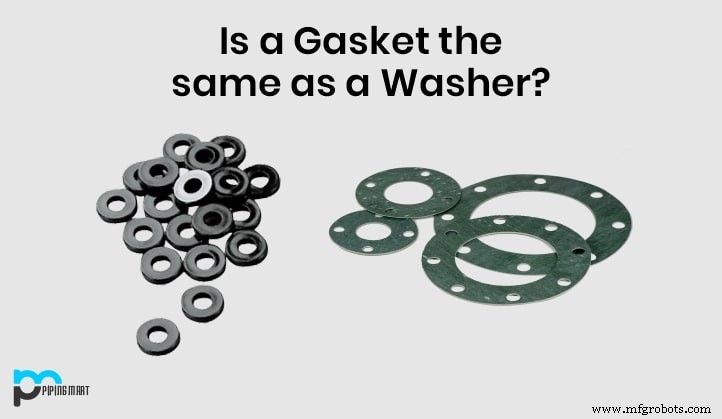
What Is a Gasket?
A gasket is a sealing element that sits between two mating surfaces to prevent fluid or gas leakage and to accommodate minor surface irregularities. Because machine surfaces are never perfectly flat, gaskets fill gaps caused by thermal expansion, contraction, friction, and wear. Typical gasket materials include paper, leather, synthetic rubbers (neoprene, nitrile), cork, felt, fiberglass, and rigid polymers such as Teflon. The choice of material depends on the operating temperature, pressure, and the fluids involved.
What Is a Washer?
A washer is a thin disc with a central hole that is placed between a threaded fastener (bolt or nut) and a surface. Its primary function is to spread the load of the fastener over a larger area, reducing the risk of surface damage and maintaining a consistent clamping force. Washers can also serve secondary roles such as vibration dampening, preload retention, or acting as a spacer. Common materials include steel, brass, aluminum, and high‑strength plastics.
Key Differences Between Washers and Gaskets
Purpose
Washers distribute mechanical load and protect surfaces, while gaskets create a seal that blocks fluid or gas escape.
Material Composition
Washers are usually rigid metals or plastics, whereas gaskets are often flexible or semi‑flexible to conform to uneven surfaces.
Functionality in Assemblies
A washer sits between the fastener head and the surface, whereas a gasket is positioned between the two mating parts themselves.
In some specialized applications, a gasket may incorporate a washer‑like feature or a washer may include a sealing surface, but these hybrid components are engineered for specific functions and should not be used interchangeably.
Manufacturers recommend selecting the correct component for each application. Using a gasket as a washer can compromise the load distribution, while using a washer as a seal can lead to leakage. When in doubt, consult the product data sheet or an experienced engineer.
Metal
- Gasket Materials Explained: Common Types & Their Applications
- O‑Rings vs. Gaskets: Understanding Their Roles and Key Differences
- Flange Gaskets Explained: Function, Types, and Applications
- Plain vs. Spring Washers: How They Differ and When to Use Each
- Washers vs. Gaskets: Key Differences Explained
- Gasket Types in Oil & Gas: Materials, Configurations, and Industry Standards
- Heat Exchanger Gaskets: Types, Selection, and Installation Tips
- Comprehensive Guide to Gasket Benefits, Materials, and Applications
- Bay Leaves vs. Basil Leaves: Key Differences & When to Use Each
- Mastering Rotor Terminology: The Key Component of Rotary Air Compressors