



Heat Exchanger Gaskets: Types, Selection, and Installation Tips
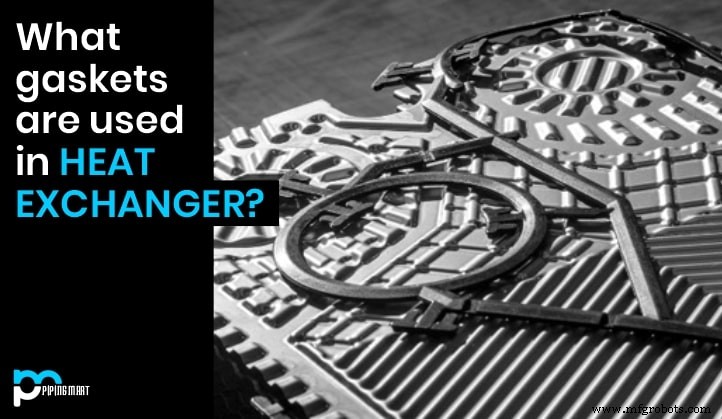
A gasket is a mechanical seal that bridges the gap between two or more mating surfaces, preventing leakage under pressure or stress. In heat‑exchanger assemblies, the surfaces are often less than perfect, so the gasket must fill imperfections to maintain a tight seal.
One of the most common issues is improper gasket tension. If the gasket is too large or too tight, it can compromise sealing performance or damage the gasket material. The usual remedy is to trim the gasket to the correct width, which enhances seating friction and improves overall seal integrity.
When working with flange assemblies, the gasket’s role becomes even more critical. Flanges consist of three sub‑components—face, gasket, and bolts—and the dynamic interaction of these parts determines the flange’s effective performance. Leaks typically originate at the gasket, so selecting the right material and dimensions is essential for reliability.
All gasket types must meet national standards that govern consistency, dimensions, and performance. Below is a concise overview of the most common materials used in heat‑exchanger gaskets.
Types of Gaskets
Rubber. Natural rubber was the first material used; today, a wide range of synthetic rubbers are available in many grades to suit different operating conditions.
Fiber‑Jointed Compressed Asbestos. Historically the preferred choice for low‑pressure applications, manufacturers now increasingly replace asbestos with safer alternatives.
Compressed Synthetic Fiber Jointing. Modern gaskets in this category use materials such as Kevlar and glass fiber bonded with elastomeric binders, offering a non‑asbestos solution for similar performance.
Graphite Foil. These gaskets are composed of nearly 100% laminated graphite, providing excellent heat resistance and chemical compatibility for high‑temperature service.
Metal‑Jacketed Asbestos. Although still in use in some legacy systems, this design features an asbestos core encased in a metal jacket, allowing it to be fitted to multi‑pack heads with integrated partitions.
Spiral‑Wound. Constructed from stainless or high‑alloy sheet metal with a non‑metallic filler, these gaskets are engineered for high integrity and can incorporate stress‑relief rings to secure bolt position.
Solid Metal Joints. Available in various shapes—rectangular, octagonal, or patented designs—these gaskets demand precise flange finishes. Selecting a finish that matches the gasket material is crucial for leak‑free operation.
The gasket is seated on a facing flange that may be fully enclosed with machined steps to maximize extrusion protection. This design provides the highest integrity, while partial or unconfined facings are suitable for lower pressure applications.
Metal
- Gasket Materials Explained: Common Types & Their Applications
- The Critical Role of Gaskets in Automotive Engine Performance
- How Dowel Pins Keep Your Projects Precise: Uses in Furniture, Shelves, and Machinery
- Flange Gaskets Explained: Function, Types, and Applications
- Steel Plates: Uses, Benefits, Types, and Key Applications
- Welding Electrode Types: Choosing the Right Electrodes for Your Process
- How CNC Machines Revolutionize Manufacturing: Uses & Benefits
- Understanding Casting Patterns: Types, Materials, and Their Impact on Quality
- Top Materials for 3D Printing: From Plastics to Biodegradable Options
- Top Aluminum Alloys for Marine Applications: Durability & Corrosion Resistance