



Welding Electrode Types: Choosing the Right Electrodes for Your Process
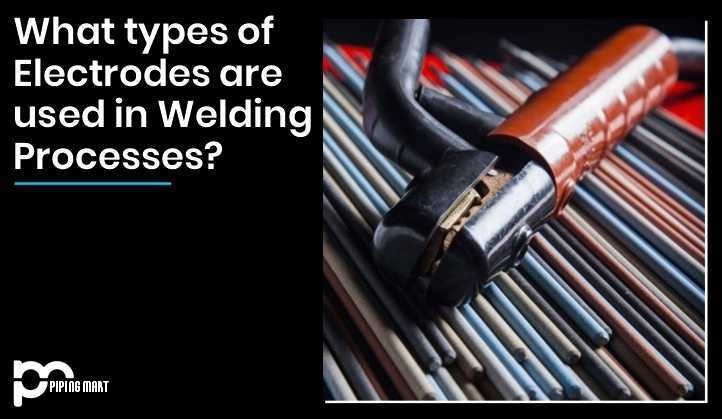
In welding, the electrode serves as the conduit for the electric current that forms the arc. The current travels from the power source, through the electrode tip, and into the workpiece, creating the heat required to fuse metals. The electrode’s material, coating, and geometry are chosen to match the base metals and the specific welding process.
Welders encounter a broad spectrum of electrodes, each engineered for a particular application. A non‑consumable electrode—typically made of tungsten or a tungsten alloy—is used in TIG welding, while consumable electrodes melt and become part of the weld. Consumable electrodes are engineered to complement the base material and are sealed with a suitable flux or coating to control slag, hydrogen, and other contaminants.
The selection of an electrode depends on the welding process (e.g., DC vs AC, gas‑shielded vs flux‑cored) and the desired weld characteristics. Proper electrode choice ensures adequate penetration, bead shape, and mechanical strength.
Most Commonly Used Electrodes
6010 Electrodes
6010 electrodes are versatile, low‑hydrogen electrodes suitable for general‑purpose welding. They are used on structural steel, pipelines, and automotive components. According to Metal Web News, 6010 electrodes achieve a minimum tensile strength of approximately 60,000 psi. They are compatible with both direct current (DC) and alternating current (AC) and feature a high‑sodium coating that promotes slag removal and bead cleanliness.
6013 Electrodes
6013 electrodes are ideal for sheet‑metal work and light‑to‑medium thicknesses. They produce a smoother, more stable arc, making them popular for repair and aesthetic welds. Metal Web News reports a minimum tensile strength of around 60,000 psi. 6013 electrodes can be held in any orientation and are available for both DC and AC welding. Their coating—high in titanium and potassium—helps reduce porosity and improves weld penetration.
7018 Electrodes
Known as a low‑hydrogen electrode, 7018 offers superior toughness and resistance to cracking. Its iron‑powder coating minimizes hydrogen pickup, yielding clean, strong welds on medium‑strength steels. Metal Web News cites a minimum tensile strength near 70,000 psi. 7018 electrodes are versatile, usable in any position, and compatible with both DC and AC. Keeping them dry before use is essential to preserve their low‑hydrogen properties.
Metal
- The Complete Guide to Pipe Fittings: Types, Functions, and Applications
- Types of Steel Used in Sheet Metal Fabrication
- Understanding Resistance Welding: Types, Processes, and Industrial Applications
- Welding Explained: Definition, Types, and Applications
- Understanding Casting Patterns: Types, Materials, and Their Impact on Quality
- Types of Welding Flames: How They Affect Weld Quality
- Types of Lathe Machines: A Comprehensive Overview
- Materials Used in Machining: Types and Applications
- Exploring the Range of Gypsum Products: Types, Uses, and Benefits
- Exploring the Various Welding Techniques: Types and Applications