



The Complete Guide to Pipe Fittings: Types, Functions, and Applications

In every industrial or commercial plumbing system, pipe fittings are indispensable. They enable secure joining, mounting, and termination of pipes, ensuring optimal flow and system integrity. Fittings come in various shapes, sizes, and materials, each tailored to specific hydraulic demands. While some can be costly or time‑consuming to install, the right choice improves performance, reduces maintenance, and safeguards against leaks and corrosion.
Pipe Fitting Categories
Each pipe or tube type requires a matching fitting, yet most fittings share common features. They are manufactured from a range of materials—steel, brass, PVC, copper, and more—to meet specific service conditions. Common varieties include elbows, tees, wyes, frames, couplings, ties, friction fittings, covers, connectors, and valves. Below, we dive into each type, explaining its function, typical applications, and key design attributes.
Elbows
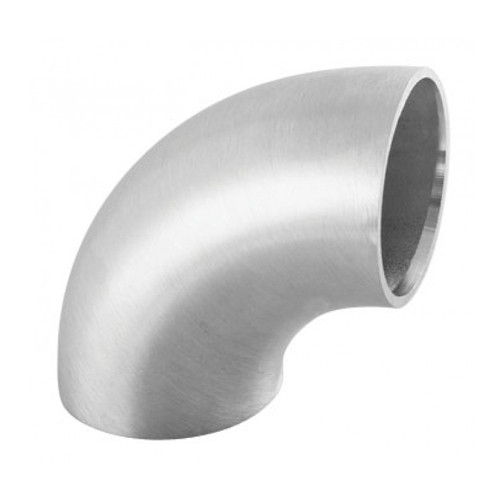
Elbows redirect fluid flow by changing pipe direction. They are most frequently available in 90° and 45° angles, though custom angles exist for specialized layouts. Reducer elbows are employed when the upstream and downstream pipe diameters differ. Made from metals, plastics, or composites, elbow fittings are usually female threaded for easy assembly.
Couplings
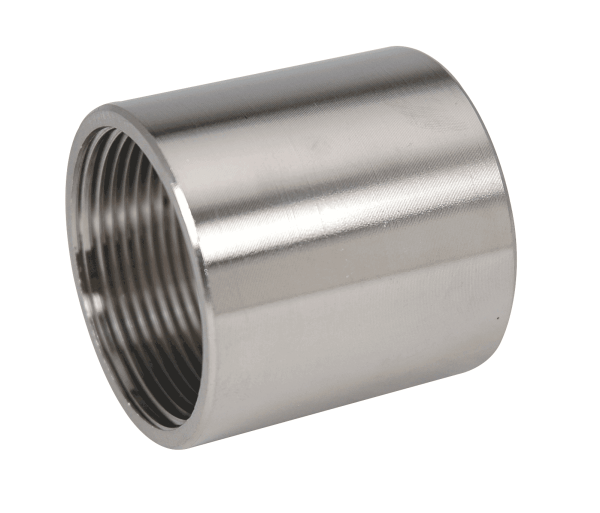
Couplings join two pipes of identical diameter, sealing the joint to prevent leaks. They come in two primary forms: standard couplings, which are simple threaded connections, and slip‑couplings, which can slide over damaged or broken pipe sections for quick repair. Rubber gaskets or O‑rings seal the interface, ensuring a watertight seal.
Union
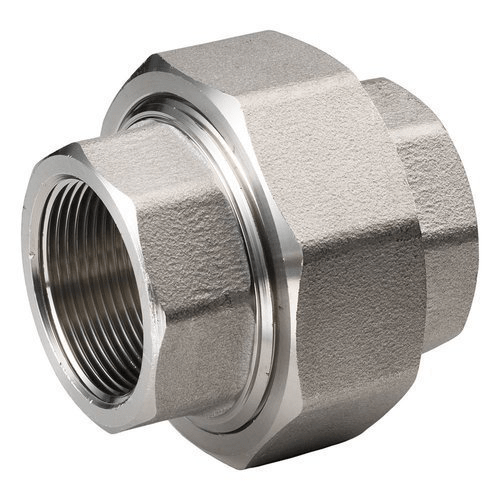
Unions are similar to couplings but are designed for easy disassembly, facilitating maintenance or replacement. Many unions feature dielectric materials to prevent galvanic corrosion when connecting dissimilar metals. They typically have threaded male and female ends and a central nut for tightening.
Adapters
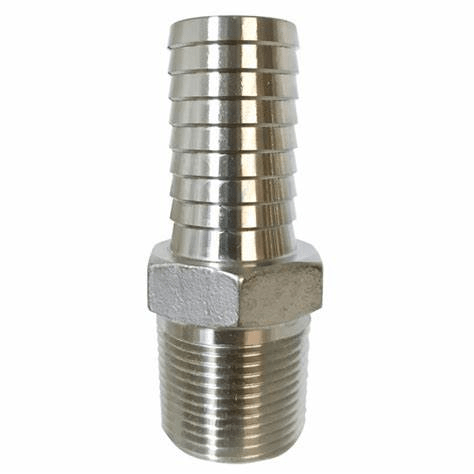
Adapters modify pipe end types or sizes, enabling connections between incompatible fittings. They provide male or female threads as needed and are commonly used with PVC, copper, or steel tubing. Adapters simplify installation and eliminate the need for custom fittings.
Valves
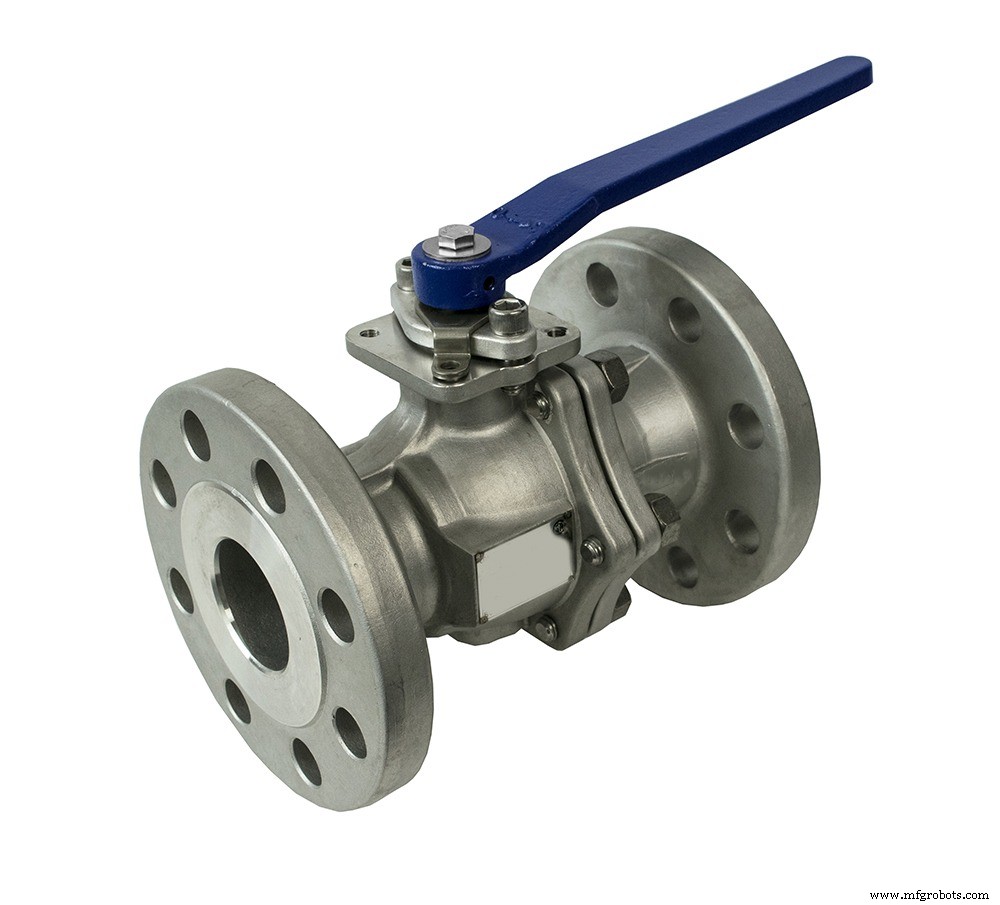
Valves regulate fluid flow within a system. Three main categories exist: throttling valves, which adjust flow rate and pressure; isolation valves, which allow quick disconnection for maintenance; and check valves, which prevent backflow. Proper valve selection is critical for controlling pressure, protecting equipment, and ensuring safety.
Bushings
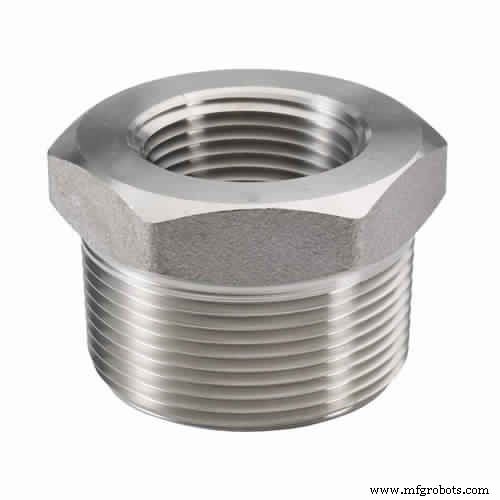
Bushings accommodate size discrepancies between two pipes, acting as an intermediary that expands the smaller diameter to match the larger one. Unlike couplings or unions, bushings are compact and often internal threaded, making them ideal for tight spaces.
Flanges
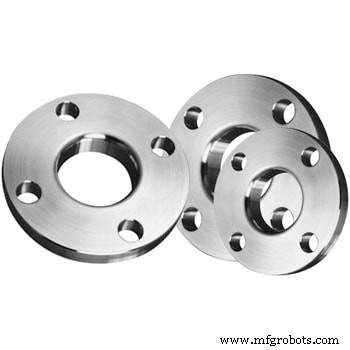
Flanges provide a flat, bolted connection between pipes, valves, or equipment. They facilitate quick assembly, inspection, and cleaning of the piping system. Flanges are available in numerous configurations—smooth, gasketed, or spiral—to suit different pressure ratings and service conditions.
Metal
- The Ultimate Guide to Nail Types: Understanding Every Variety
- The Four Core Types of Steel Explained
- Understanding Casting Patterns: Types, Materials, and Their Impact on Quality
- Understanding Fits in Metrology: Types, Systems, and Practical Applications
- A Comprehensive Guide to Tube Bending Techniques
- Types of Maintenance Workers: Roles, Responsibilities, and Collar Color Explained
- Types of Sandblasting Media: Choosing the Right Material for Your Project
- A Comprehensive Guide to Propane Fittings: Types, Uses, and Safety
- Exploring the Range of Gypsum Products: Types, Uses, and Benefits
- Understanding the Various Types of Prototyping: A Guide for Founders