



Top Corrosion‑Resistant Metals for Durable Performance
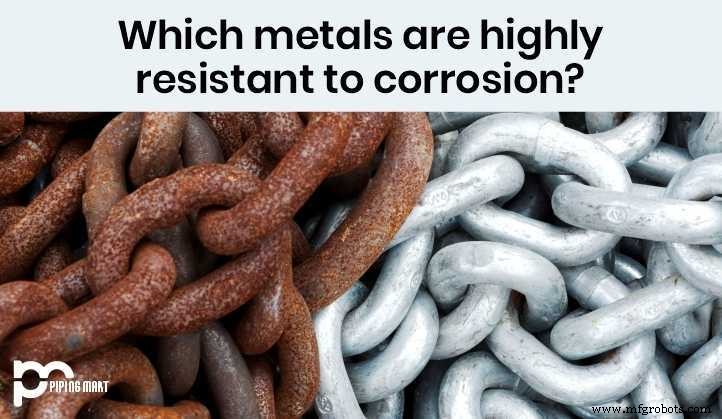
Choosing the right metal for a project is a balancing act between formability, strength, aesthetics, and cost. When the application will be exposed to harsh environments—saltwater, industrial chemicals, or high humidity—corrosion resistance becomes a non‑negotiable requirement. Below we examine the most commonly used metals that excel in resisting degradation, along with practical insights for each.
Corrosion‑Resistant Metals
Carbon Steel
Carbon steel supplies roughly 85 % of the world’s steel demand (World Steel Association). While it is inexpensive and highly versatile, its low alloy content—typically under 2 % by weight—limits its inherent corrosion resistance. However, certain alloyed grades, known as weathering steels, incorporate trace amounts of copper, chromium, nickel, and phosphorus. These additions significantly reduce corrosion rates in many environments, making them suitable for outdoor structural applications.
- Best for: Structural frames, bridges, and general construction where cost and strength are paramount.
- Limitations: Requires protective coatings or design measures to mitigate corrosion in marine or acidic settings.
- Key alloying elements: Copper, chromium, nickel, phosphorus.
Galvanized Steel
Galvanized steel is carbon steel coated with a thin layer of zinc. The zinc acts as a sacrificial anode, protecting the underlying steel even if the coating is scratched. Over time, the zinc oxidizes to form a durable zinc oxide layer that further shields the steel from oxygen and moisture.
- Best for: Roofing, fencing, exterior cladding, and outdoor infrastructure.
- Protection: Offers cathodic protection and forms a secondary barrier through zinc oxide.
- Durability: Can withstand several decades in coastal and industrial environments.
Aluminum
Aluminum is prized for its low density and exceptional corrosion resistance. Pure aluminum contains virtually no iron, so it does not rust; instead, it rapidly forms a protective oxide layer when exposed to air or water. This self‑regenerating barrier protects the underlying metal and is especially effective in saline or humid conditions.
- Best for: Aircraft, automotive components, marine fittings, and high‑performance housings.
- Benefits: Lightweight, excellent thermal conductivity, and near‑instant oxide formation.
- Considerations: Requires alloying (e.g., 2024, 7075) for enhanced strength without sacrificing corrosion resistance.
Stainless Steel
Stainless steels—such as 304 and 316—are engineered with a minimum of 18 % chromium. Chromium reacts with oxygen to form a dense, adherent chromium oxide film that blocks further oxidation of the iron matrix. Additional alloying elements like nickel and molybdenum improve resistance to chloride attack and pitting, making stainless steel ideal for demanding applications.
- Best for: Kitchen equipment, medical devices, marine hardware, and chemical processing.
- Strengths: Superior pitting resistance, especially in 316 grade, which includes molybdenum.
- Limitations: Higher cost and weight compared to other options.
Metal
- What Are Refractory Metals? An Expert Overview of Their Properties and Applications
- Which Metals Are Nickel‑Free? A Comprehensive Guide
- Choosing the Right Hinge Material: 5 Popular Options Explained
- What Are Non-Ferrous Metals? – A Comprehensive Overview
- PTFE: Exceptional Corrosion Resistance and Industrial Applications
- 4 Rust‑Proof Metals for Long‑Lasting Performance
- Top Strongest Metals and High-Strength Alloys for Industrial Applications
- Stainless Steel and Rust: How Corrosion Occurs & How to Prevent It
- Understanding the Corrosion Resistance of Stainless Steel
- Everyday Stainless Steel: From Kitchen to Construction – How It Shapes Our World