



Choosing the Right Coupling: A Practical Guide to Fit, Performance, and Compliance
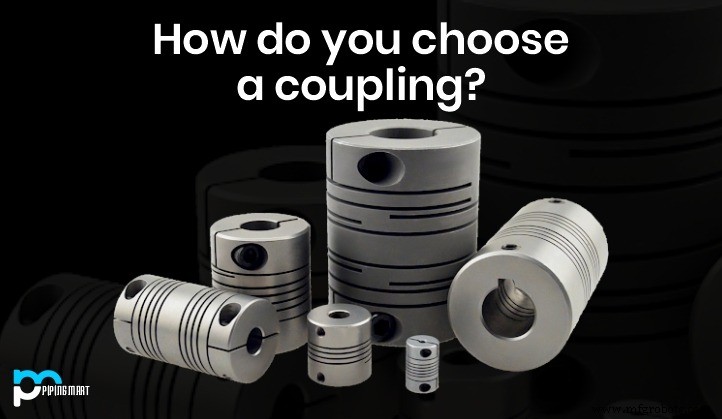
A coupling is a mechanical joint that connects two shafts, transmitting torque while accommodating misalignment or axial movement. Its primary role is to link rotating machinery—motors, pumps, turbines—without allowing disconnection during operation. Modern torque‑limiting couplings can slip or break when torque exceeds safe limits, protecting the system. Proper selection, installation, and maintenance of couplings reduce downtime and maintenance costs.
Different applications demand specific coupling types, each varying in cost, complexity, and efficiency. Begin by ensuring the chosen coupling fits the available mounting space and meets maintenance constraints. "Drop-in/drop-out" designs simplify replacement on heavy equipment, while many couplings are maintenance‑free and suitable for most environments. This guide walks you through the critical decisions to avoid common pitfalls.
1. Assess the Application’s Requirements
Torque is the foremost consideration. Whether the drive is an electric motor, combustion engine, turbine, or rotor, the coupling must handle the required power, speed, and peak torque. Use the nominal torque rating for routine loads and the maximum rating for peak conditions. Environmental factors—temperature, vibration, shock, and frequency of starts and stops—also influence the choice. Apply a safety factor to the nominal torque to guard against unexpected stresses.
2. Identify the Needed Coupling Design
Each coupling type has strengths and limitations. For high misalignment, select a robust design that can absorb the expected angles without compromising performance. Every coupling specifies an allowable misalignment; exceeding it accelerates wear and premature failure. Consider axial play and vertical load capacity, especially in applications where the motor or pump must support its own weight. Gap between shaft ends can be accommodated with spacers or specially designed couplings that maintain torque transmission while correcting misalignment.
3. Verify Compliance with Relevant Standards
Disk couplings are typically engineered to meet API 610 or 671, ensuring reliable operation in high‑temperature or high‑pressure environments. A double‑cardanic, dynamically balanced steel disk coupling, for instance, offers low repair forces during misalignment, extending the life of bearings and seals. In hazardous locations, ATEX certification may be required to certify that a failure will not produce sparks or detonation in explosive atmospheres. Confirm the coupling’s surface temperature limits and dust‑proof rating as specified by ATEX or equivalent standards.
Metal
- How to Choose the Right Instrument Knobs for Your Equipment
- Expert Guide to Selecting Durable Marine Lighting
- Choosing Magnetic Hooks: Expert Tips for Homes and Businesses
- How to Choose the Right Strap Hinge for Your Project
- Choosing the Right Cloud Provider: A Performance‑Focused Guide
- Choosing the Right Laser Marking Machine: A Practical Guide
- Choosing the Right Plastic Injection Molding Partner: Key Factors for Success
- 5‑Minute Guide: How to Choose the Right PCB Coating for Reliability
- Choosing the Right Plastics for CNC Machining: A Practical Guide
- Choosing the Right Fluid Couplings: A Practical Guide