



Bay Leaves vs. Basil Leaves: Key Differences & When to Use Each
While both basil and bay leaves are aromatic seasonings, they differ markedly in flavor, texture, and culinary applications. Understanding these distinctions helps you choose the right herb for any dish.
How Are Bay Leaves Different from Basil?
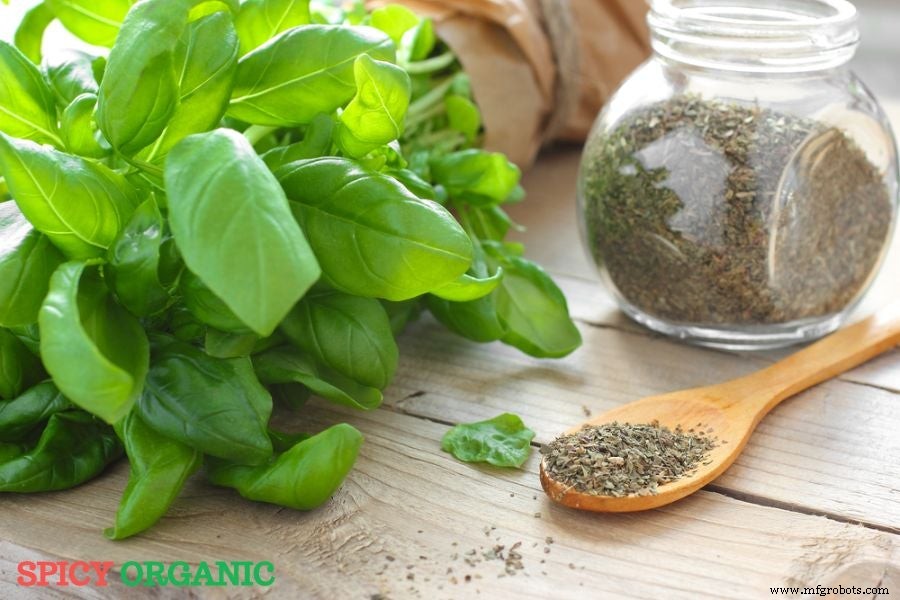
Below we outline the main differences in appearance, taste, and typical uses.
Appearance
Bay leaves are larger—often exceeding 3 inches—and flat, with a deep olive‑green hue. Basil leaves are smaller, rounded, and range from bright to slightly bluish green, depending on the variety (e.g., Thai, sweet, holy, or purple basil).
Flavor
Bay leaves deliver a subtle, woodsy, eucalyptus‑like aroma with hints of cinnamon and mint. The exact profile varies by region: European, Californian, and Indian bay leaves each have unique nuances. Basil, in contrast, offers a sweet, minty, anise‑like flavor that is most vibrant when fresh.
Usage
Bay leaves are a staple in slow‑cooked dishes—soups, stews, rice, and meat braises. They are added early in the cooking process and discarded before serving because of their fibrous texture. Indian "tej patta" is preferred in South‑Asian curries, while European or Californian leaves suit Western stews and sauces.
Basil shines in tomato‑based dishes, pizzas, pastas, salads, and the classic Italian pesto. It is best added at the end of cooking to preserve its fresh flavor, and the leaves can even be chewed to freshen breath.
Fresh or Dry?
Bay leaves are almost exclusively sold dried; the drying process concentrates flavor and extends shelf life. Basil is available fresh or dried, but the essential oils that give basil its bright taste diminish when dried. For maximum flavor, use fresh basil; if only dried is available, use it sparingly.
Can You Substitute Bay Leaves for Basil or Vice Versa?
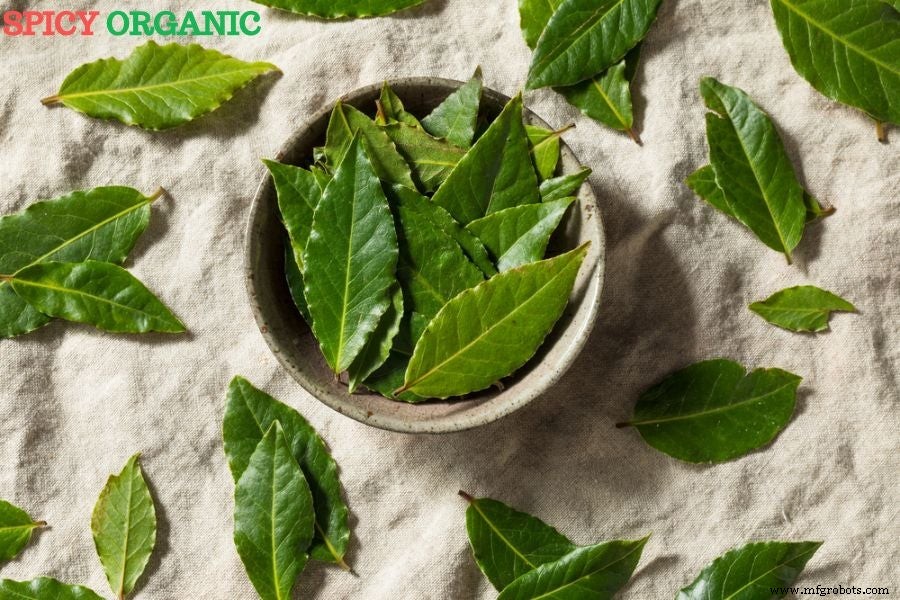
Because their flavor profiles are distinct, direct substitution is generally inadvisable. If a recipe calls for bay leaves and they are unavailable, simply omit them or add a pinch of cinnamon or thyme to mimic the warm, earthy notes.
Similarly, basil cannot replace bay leaves in slow‑cooked dishes. If you lack basil, consider marjoram or oregano as closer alternatives, depending on the cuisine.
There are few scenarios where both herbs can appear in the same dish—such as a bouquet garni that includes a bay leaf alongside basil, or a tomato sauce that begins with bay leaves and finishes with fresh basil.
Choosing the right herb ensures the intended flavor profile and optimal culinary outcome.
Related Articles:
Disclaimer: The views expressed in this article are not a substitute for professional medical advice. Please consult your healthcare provider before purchasing any products.
Spices
- The Strategic Applications of Rhenium: From Catalysts to Aerospace
- Key Properties of Refractory Metals – What You Need to Know
- 3D‑Printed Prosthetics: Transforming Access and Affordability for Amputees
- Gaskets vs. Washers: Understanding Their Distinct Roles
- Turmeric: Culinary Mastery, Health Benefits, and DIY Dyeing Techniques
- Top 9 Proven Health Benefits of Organic Bay Leaves (With Expert Usage Tips)
- Industrial Automation vs. Robotics: Understanding the Key Differences
- Green Jobs: The Sustainable Future of Employment
- Exploring the 7 Core Types of Technology
- Mastering 5-Axis Machining: Precision, Efficiency, and Key Applications