



3D‑Printed Prosthetics: Transforming Access and Affordability for Amputees
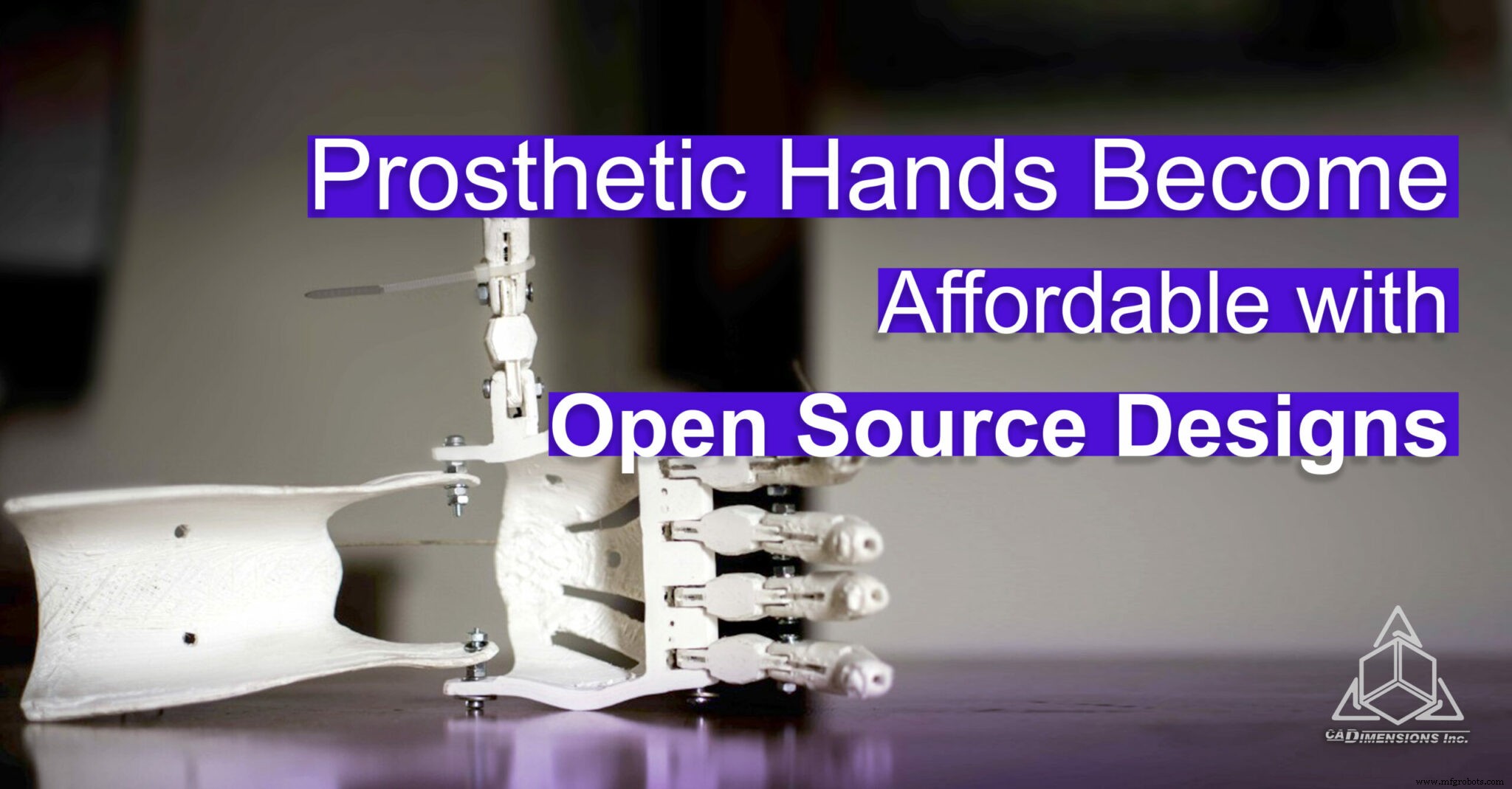
Every week a new headline surfaces about 3D‑printed prosthetics, and the latest showcases a foundation’s initiative to test the technology in remote regions of Madagascar and Togo—areas where traditional prosthetic supply chains struggle to reach.
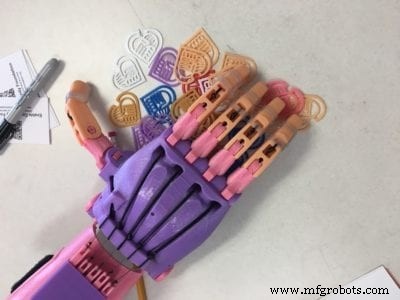
3D printing’s relationship with prosthetics isn’t new. The e‑e‑NABLE community has long shared open‑source designs for prosthetic hands, and last year Open Bionics achieved the first stage of clinical testing in the UK, advancing the goal of affordable, custom bionic arms for those who need them.
Why 3D Printing?
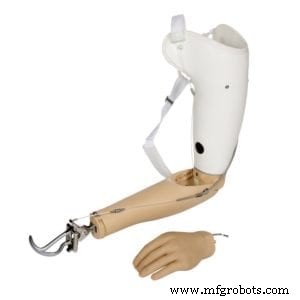
Conventional prosthetics are crafted with a range of techniques, but the cost remains a significant barrier. A purely cosmetic prosthetic arm can exceed $5,000 without insurance, while a functional device—such as the split‑hook model shown below—can reach $10,000. For lower‑extremity prostheses, the price can climb to $50,000 or more. These figures often deter patients in underserved regions from accessing prosthetic care, and for growing children, the need for frequent replacements can strain families financially.
By leveraging 3D printing’s ability to produce complex, patient‑specific geometries at a fraction of the cost, the medical community can deliver tailored prosthetics more efficiently. This technology has proven especially valuable in contexts where conventional manufacturing and supply chains are absent.
A Growing Trend
The precision and customization offered by 3D printing are setting a new standard for prosthetic design. As the technology matures, we anticipate broader adoption across clinical settings, enabling a future where personalized prosthetic devices are readily available to all who need them.
Reference:
(1) Remote Area 3D Printed Prosthetics: https://www.zdnet.com/article/3d-printing-trial-launched-to-help-amputees-in-madagascar-togo/
(2) Cost of a Prosthetic Arm: https://health.costhelper.com/prosthetic-arms.html
(3) Prosthetic Leg Costs Over a Lifetime: https://www.hss.edu/newsroom_prosthetic-leg-cost-over-lifetime.asp
(4) The future of 3D‑printed prosthetics: https://techcrunch.com/2016/06/26/the-future-of-3d-printed-prosthetics/
Tags: 3D Printing, e‑NABLE, Medical Industry, Open Bionics, Prosthetics
3D printing
- Industry 4.0: Materialise’s Blueprint for the Networked Factory
- Collaboration: The Path to the Factory of the Future
- Carbon Fiber Bikes: The Future of Cycling Performance
- Plastics: Driving the Future of Automotive Hardware Innovation
- Tazo’s Triumph: A 3D‑Printed Prosthetic Cart Restores Mobility to a Paralysed Dog
- Green Jobs: The Sustainable Future of Employment
- Are 3D Printed Parts Really Strong?
- Hydrogen Fuel Cells: The Next Frontier in Sustainable Transportation
- Custom Prototypes: The Next Frontier in Manufacturing Innovation
- 4D Printing: Revolutionizing Additive Manufacturing for Adaptive Solutions