



Industry 4.0: Materialise’s Blueprint for the Networked Factory
Industry 4.0 is the latest buzzword reshaping manufacturing, yet its true scope often remains unclear. It transcends simple digitisation; it’s about integrating computational systems into a fully connected, responsive production ecosystem. The term emerged a decade ago as factories began merging digital and robotic technologies, paving the way for smarter, more agile manufacturing processes.
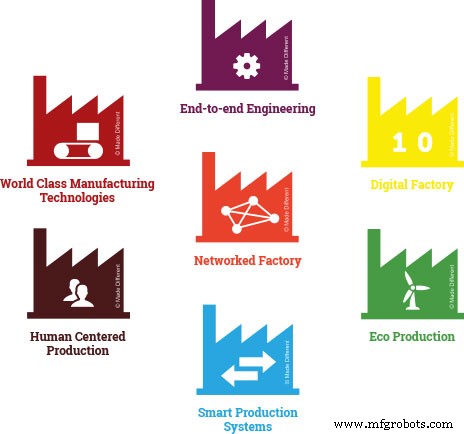
Companies must demonstrate seven key transformations to earn the title “Factory of the Future.”
At its core, Industry 4.0 is a networked factory. Moving from isolated digital tools to a fully networked environment is one of the seven criteria required by Agoria and Sirris for the Factory of the Future award. Materialise received this accolade in February after proving its networked capabilities and meeting all six additional requirements.
The shift to Industry 4.0 is accelerating across sectors. As a 3D‑printing specialist, Materialise has long operated in digital environments, but to unlock the full potential of this revolution, we must merge 3D printing with a connected factory framework.
From Stand‑Alone Digital Systems to a Networked Factory
3D printing is often seen as the newcomer in Industry 4.0, yet the real challenge lies in embedding it within industrial reality. Additive Manufacturing (AM) began as a niche tool for rapid prototyping and proof‑of‑concept studies. Today, as costs fall and expertise grows, companies scale up and weave AM into their core production lines.
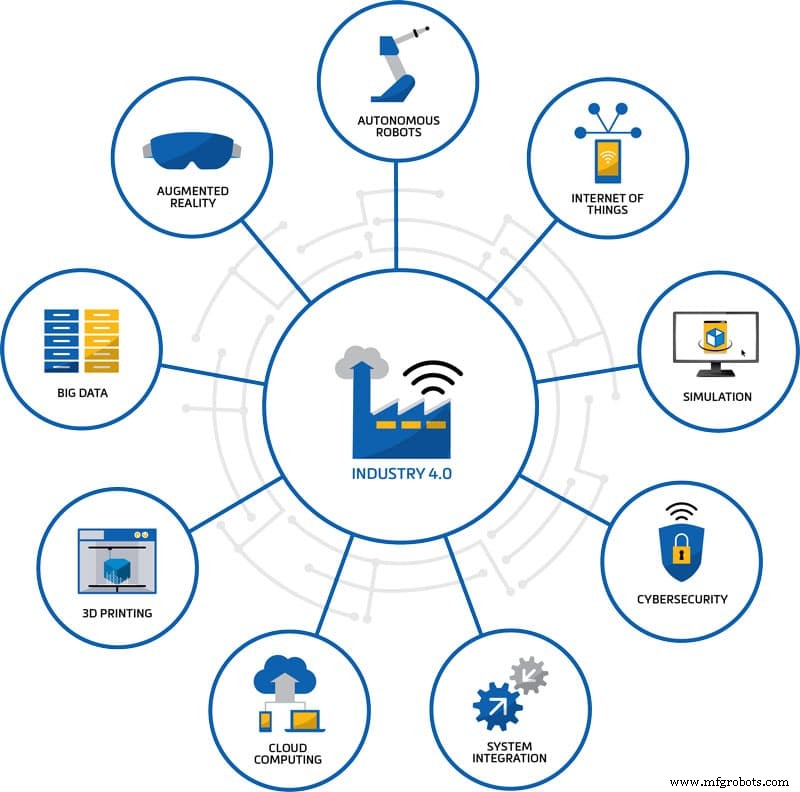
Digitalisation alone enables automated design or report generation, but to realise Industry 4.0’s promise—mass customisation, distributed manufacturing, and end‑to‑end process control—all stages of production must be interlinked and aligned.
Manuel Michiels, Market Innovation Manager at Materialise, notes: “To capture the full value of AM, you must integrate it into your industrial reality—linking AM to billing, ordering, and other manufacturing methods.”
Materialise excels in building a networked factory through a dual focus on productivity and connectivity. An efficient factory maximises both, while staying flexible to evolving needs and technologies. As Manuel explains, “We know how to design, set up, and operate AM. Beyond that, we provide the right technology to make solutions cost‑effective, ensuring they scale.”
Co‑creation is central to our approach: we partner with companies to solve their toughest challenges, reshaping industry practices for the better. Recent successes include tailor‑made ski boots, vision‑centric eyewear, and custom hearing aids.

Materialise collaborated with sports‑wear brand TAILORED FITS to pioneer 3D‑printed, custom ski boots.
Our goal is to move 3D printing beyond a standalone technology and embed it into fully integrated Industry 4.0 systems, enabling disruptive business models.
The ‘Internal Kitchen’ Project
Operating our own production facility has generated vast amounts of internal data and AI insights. We harness this “internal kitchen” to refine algorithms and develop technology that serves the broader market.
Connectivity and data generation enable real‑time qualification of parts. When a defect occurs, we pinpoint the source, halt the machine, and save material, time, and money. If production runs smoothly, we confirm quality across the board.
Real‑Time Feedback
Live monitoring is essential in a networked factory. Understanding machine status at any moment reduces downtime and optimises workflow. AM equipment represents a significant investment; tracking downtime, build failures, and other metrics is crucial for optimal operation.
Materialise prioritises real‑time feedback through software that offers intuitive portals and APIs, enabling AM factories to communicate externally—streamlining customer interactions, logistics planning, and global scalability.
Hyundai, a world‑renowned automaker, required flawless production to deliver high‑quality vehicles on schedule. Manual scheduling and reporting were inefficient. After acquiring Materialise Streamics—a networked production management system that consolidates data from preparation, production, post‑processing, and management into a single database—Hyundai achieved a 77% reduction in man‑hours and automated comprehensive production, sales, management, and quality reports.
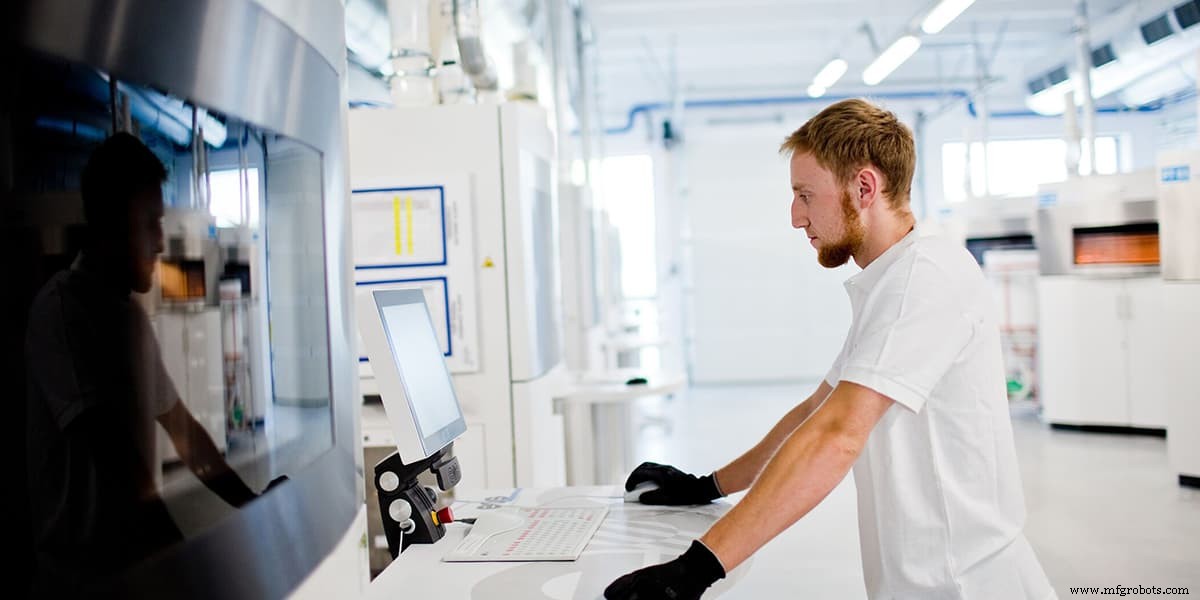
Streamics centralises day‑to‑day AM operations.
True End‑to‑End Digital Manufacturing
The networked factory reflects Materialise’s culture. Our solutions are engineered to integrate seamlessly with the latest IT advances—cloud, big data, analytics, AI, and IoT—extending the digital thread to encompass 3D printing. This paves the way for a truly end‑to‑end digital manufacturing process.
Today’s leaders are those who embrace 3D printing fully, recognising that mature software now delivers tangible gains in productivity and connectivity. Materialise is committed to guiding partners through the evolving Industry 4.0 ecosystem.
3D printing
- How Live TV Will Transform: The Computing‑Driven Future of Broadcast
- How Digital Transformation is Reshaping the Paper Industry's Future
- Collaboration: The Path to the Factory of the Future
- Industry 4.0 in Maintenance: A Practical Guide to the Future of Asset Management
- Phil Pasma: Redefining Manufacturing for the Next Generation
- How Composites Are Shaping the Future of Sporting Goods
- Future Outlook: Advancing Machining Industry Trends
- How 3D Printing Will Transform Manufacturing in the Next Decade
- How 3D Printing is Revolutionizing Modern Manufacturing
- 4D Printing: Revolutionizing Additive Manufacturing for Adaptive Solutions