



Plates vs. Sheets: Understanding the Key Differences in Steel and Aluminum
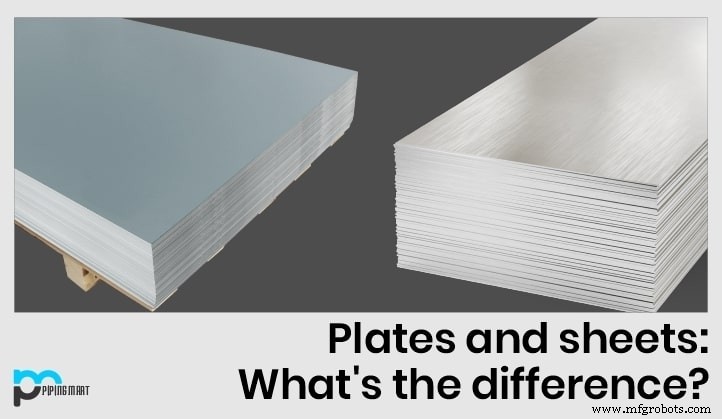
Steel is an iron‑based alloy whose properties vary with its composition. The most common commercial grades contain between 0.2 % and 2.15 % carbon. Other elements such as tungsten, chromium, vanadium, and manganese are added to produce specialty steels. Stainless steel 304, with its chromium‑rich alloying, remains the most widely used sheet grade worldwide. Prior to the Bessemer process in the mid‑19th century, producing high‑quality steel sheets was labor‑intensive and expensive.
Sheet Metal
Sheet metal refers to flat, thin sections of metal that are thicker than foil but thinner than 6 mm. In architectural and manufacturing contexts, stainless steel 304L sheets are preferred when a lightweight yet durable material is required. Sheet metal can be finished with corrugations or diamond ridges to increase strength without adding bulk. Corrugation introduces periodic ridges, while diamonding creates a textured surface that improves surface area and mechanical performance.
Plate Metal
Plate metal is defined as a flat section that is 6 mm thick or more. Because plates offer higher structural integrity, they are chosen for applications where reliability outweighs weight concerns, such as automotive chassis, shipbuilding, and heavy machinery. In automotive safety, plate thickness is critical for crash‑worthiness.
Key Differences
The primary distinction between plates and sheets is thickness. Sheet metal is typically less than 3 mm thick, often ranging from 0.006 in (0.15 mm) to 0.25 in (6 mm). Anything 0.25 in (6 mm) or greater is classified as plate. These thresholds align with industry standards such as ASTM and ISO. The classification also influences manufacturing processes: sheets are produced by rolling ingots to thin gauges, while plates undergo additional rolling and finishing to achieve the required strength.
Aluminum, too, follows similar categories. Under controlled rolling, large ingots are progressively thinned until the target gauge is reached. The resulting product may be designated as a foil (<0.006 in), a sheet (<0.006–0.25 in), or a plate (≥0.25 in). Each form serves distinct markets: sheets for food‑service containers and appliances; plates for structural components in transportation and defense.
Popular Plates:
- Stainless Steel 409 M Plates
Metal
- PTFE vs. Teflon: Same Material, Different Names – What You Need to Know
- Metal Sheet vs Plate vs Foil: Choosing the Right Thickness for Your Project
- C# vs C++: A Clear Comparison of Features, Performance, and Use Cases
- Ferrous vs Non‑Ferrous Metals: Key Differences & Practical Uses
- Metal Fabrication vs. Metal Welding: What Sets Them Apart?
- Metal Fabrication vs. Welding: Key Differences Explained
- Tempering vs. Annealing: Key Differences Explained
- Steel vs. Aluminum Angles: Key Differences & Choosing the Right Material
- Welding vs. Metal Fabrication: Understanding Key Differences
- Understanding PSI, PSIA, and PSIG: Key Differences Explained