



PTFE vs. Teflon: Same Material, Different Names – What You Need to Know
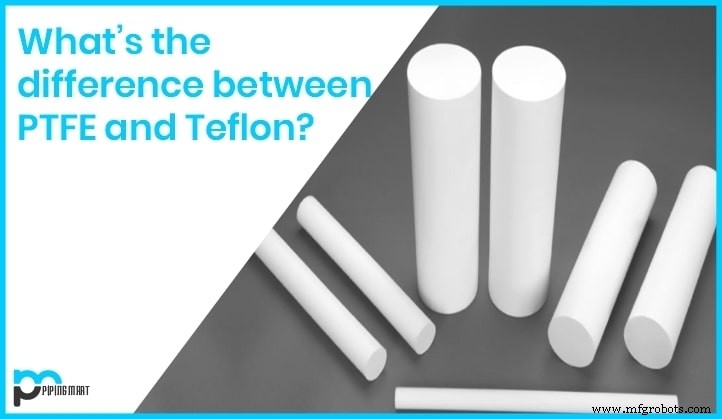
When selecting a polymer, many customers wonder: what’s the difference between PTFE and Teflon? The distinction lies purely in the name. PTFE (polytetrafluoroethylene) is the chemical, while Teflon is the trademarked brand that refers to the same material.
What is PTFE?
Polytetrafluoroethylene is a synthetic polymer composed of carbon and fluorine atoms, produced from tetrafluoroethylene (TFE). Its exceptional properties make it invaluable across a wide range of applications:
- High melting point – PTFE remains stable up to approximately 327 °C, far above most other polymers.
- Hydrophobicity – It repels water and resists dirt, making it ideal for food‑contact surfaces, medical dressings, and outdoor equipment.
- Chemical inertness – PTFE is resistant to aggressive solvents and many corrosive chemicals.
- Low friction coefficient – Among solids, PTFE has one of the lowest coefficients of friction, which is why it’s used in non‑stick cookware and sliding components.
- Excellent flexural strength – Despite its softness, PTFE can be formed into complex shapes without losing integrity.
These attributes translate into everyday uses: PTFE‑lined pipes, gasket material, non‑stick cookware, carpet backing, medical implants, and even protective coatings for nuclear facilities.
What is Teflon?
Teflon is simply the brand name for PTFE produced by Chemours, a spin‑off of DuPont. The material was discovered accidentally in 1938 by Dr. Roy Plunkett, who observed a waxy residue inside a gas cylinder. DuPont patented the polymer in 1945 and began marketing it under the Teflon name in 1946.
Because Teflon is a trademark, it’s used in product marketing and household conversations, but chemically it is identical to PTFE.
Difference Between Teflon and PTFE
The answer is simple: they are the same material. Teflon is the commercial brand name, while PTFE is the generic chemical name. Just as a consumer can buy a branded cereal or the same product unbranded, you can use PTFE or Teflon interchangeably in technical specifications and product design.
Brand names like Teflon help consumers recognize and differentiate products, but they don’t change the underlying material properties.
Metal
- Kevlar vs. Carbon Fiber: Key Differences & Material Performance
- Bolts vs. Screws: How to Choose the Right Fastener for Your Project
- Understanding the Difference Between Tube Steel (TS) and Hollow Structural Steel (HSS)
- C# vs C++: A Clear Comparison of Features, Performance, and Use Cases
- Python 2 vs Python 3: Key Differences and Choosing the Right Version
- Ferrous vs Non‑Ferrous Metals: Key Differences & Practical Uses
- Forging, Stamping & Casting: Understanding Their Key Differences
- Understanding DC vs AC Motors: Key Differences and Buying Guide
- Metal Fabrication vs. Metal Welding: What Sets Them Apart?
- Understanding SCFM, ACFM, and ICFM: Key Air Compressor Flow Rate Metrics