



Key Physical Properties of PTFE (Teflon)
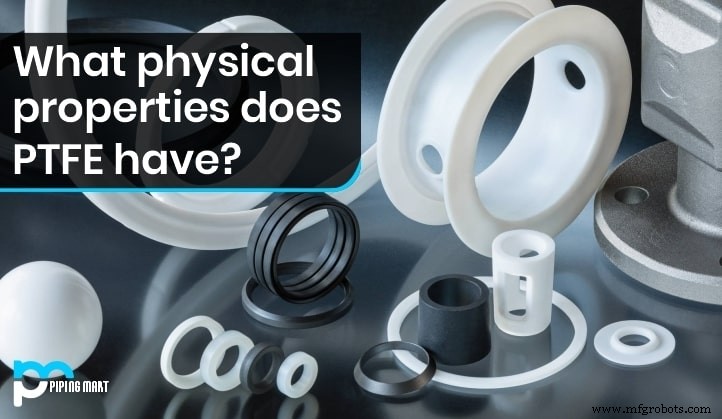
Polytetrafluoroethylene (PTFE), commonly known as Teflon, is an ivory‑white fluoropolymer produced by free‑radical polymerization of tetrafluoroethylene. Its exceptional versatility makes it indispensable across aerospace, food processing, pharmaceuticals, and communications, among others.
Core Physical Properties of PTFE
PTFE boasts a melting point of 327 °C. When unmodified, it remains chemically inert and thermally stable from –200 °C to +260 °C, enabling use in extreme‑temperature applications. The polymer’s high fluorine content confers:
- Excellent chemical resistance, withstanding acids, bases, and most organic solvents; only highly reactive fluorinating agents such as ClF₃ or XeF₂ can attack it.
- Low surface energy and friction, giving a contact angle near 110° and a coefficient of friction <0.04 on dry surfaces.
- Superior dielectric strength (up to 10 kV/mm) and electrical insulation.
- High density of 2.2 g cm⁻³, contributing to its mechanical robustness.
Despite its resilience, PTFE offers limited radiation shielding and can degrade when exposed to intense high‑energy radiation.
Practical Benefits Across Industries
PTFE’s attributes translate into tangible advantages:
- Piping and lining: Corrosion‑resistant PTFE‑lined pipes extend the service life of chemical handling systems and reduce maintenance downtime.
- Seals and gaskets: Low friction and chemical inertness reduce wear, enabling longer‑lasting seals that remain functional under high pressure and temperature.
- Self‑cleaning surfaces: The non‑wetting nature of PTFE facilitates self‑cleaning in manufacturing equipment, lowering cleaning frequency and labor costs.
- Textiles: Teflon finishes on fabrics repel water and oil, shorten drying times, and improve durability, yielding lower energy consumption for laundering.
- Food‑grade applications: PTFE is FDA‑approved and non‑toxic; only temperatures above 260 °C can produce minimal polymer fume fever in humans.
Overall, PTFE enhances equipment reliability, cuts operational costs, and minimizes waste, making it a cornerstone material for high‑performance engineering.
Metal
- Physical and Chemical Properties of Tungsten – Key Insights for Industry
- Titanium: Key Physical Properties and Industrial Significance
- Lean Manufacturing & Maintenance: How TPM Drives Waste Reduction
- How Servo Drives Power Precision in Manufacturing Automation
- Millwrights: Key Roles, Responsibilities, and Their Value in Canada
- The Role of a Rigger: Key Responsibilities & Skills
- Electrical Properties Explained: How Materials Conduct Electricity
- Understanding Galvanization: Benefits and Applications for Corrosion Protection
- Understanding the Role of G-Force in Hydraulic Systems
- How Variable Frequency Drives (VFDs) Enhance Pump Performance