



Where is PTFE (Teflon) Used? Key Industries and Applications
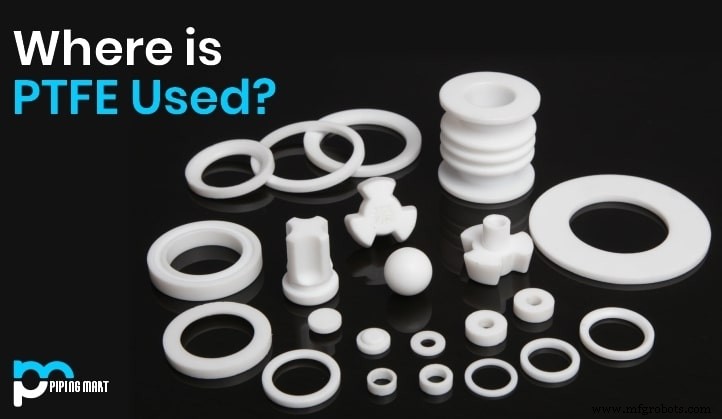
Polytetrafluoroethylene (PTFE), commonly known as Teflon, is prized for its exceptional chemical resistance, hydrophobicity, and temperature tolerance. These properties make it the go‑to material for a wide array of industrial and everyday applications.
Beyond its iconic role in non‑stick cookware, PTFE’s versatility extends to piping, fittings, valves, electrical insulation, semiconductor manufacturing, laboratory equipment, and more. Its flexibility allows it to be molded, extruded, and compounded with other materials to meet specific performance requirements.
Key PTFE‑Based Products
Lined Pipes: PTFE‑lined tubing is one of the most flexible solutions for preventing leaks and contamination. With a chemical resistance rating that spans the majority of industrial fluids and a temperature tolerance up to 450 °F (230 °C), these pipes are ideal for handling corrosive substances such as nitric acid and nitrobenzene.
Pipe Fittings: PTFE‑lined fittings are essential in the pharmaceutical, food, and beverage sectors where sterility and cost‑effectiveness are paramount. They safely transport hazardous chemicals and waste, protecting sensitive equipment from high pressures.
Valves: PTFE‑lined valves provide a corrosion‑resistant barrier across the chemical, petrochemical, fertilizer, pulp and paper, and metallurgical industries. They serve as a cost‑effective alternative to high‑grade alloys.
Industries That Rely on PTFE
- Petrochemical & Chemical Processing: PTFE is the preferred material for gaskets, tank linings, pump interiors, washers, loops, caps, spacers, dip tubes, and drilling components due to its chemical inertness and ability to withstand temperatures up to 500 °F.
- Electrical Applications: Renowned as an excellent insulator, PTFE can handle up to 500 V per mil in thin sections and even higher in specialized grades. It’s used in wire and cable insulation, condensers, and high‑voltage encapsulation systems.
- Semiconductor Manufacturing: With a thermal stability range from –350 °F to 550 °F, ultra‑pure PTFE is indispensable for quartz heater encapsulation and other chip‑fabrication equipment.
- Laboratory Equipment: PTFE tubing, vessels, and fittings are the standard for laboratory ware because contaminants never cling to the surface, ensuring pristine results.
- Bearing Pads: Glass‑filled PTFE can be formed into bearing pads that endure weathering while maintaining an inert interface between steel, concrete, and other construction materials.
- PTFE Compounds: By incorporating fillers such as glass fiber, glass beads, iron, graphite, copper, or molybdenum disulfide, manufacturers tailor PTFE’s mechanical and thermal properties to specific applications.
Metal
- Titanium: Key Properties, Applications, and Industrial Uses
- Castanets: History, Craftsmanship, and Performance
- The History, Production, and Future of Glue: From Ancient Adhesives to Modern Innovations
- Thread: Types, History, Production, and Quality Control
- Acetylene: Production, Uses, and Handling – A Comprehensive Overview
- Comprehensive Overview of Asbestos: From Ancient Uses to Modern Health Risks
- The History, Design, and Manufacturing of Dice: From Ancient Tools to Modern Gaming
- Plywood: History, Production, and the Path Ahead
- Inconel Alloys: Key Applications and Benefits in High‑Temperature, Corrosion‑Resistant Environments
- Applications of Linear Actuators: Key Industries and Use Cases