



Inconel Alloys: Key Applications and Benefits in High‑Temperature, Corrosion‑Resistant Environments
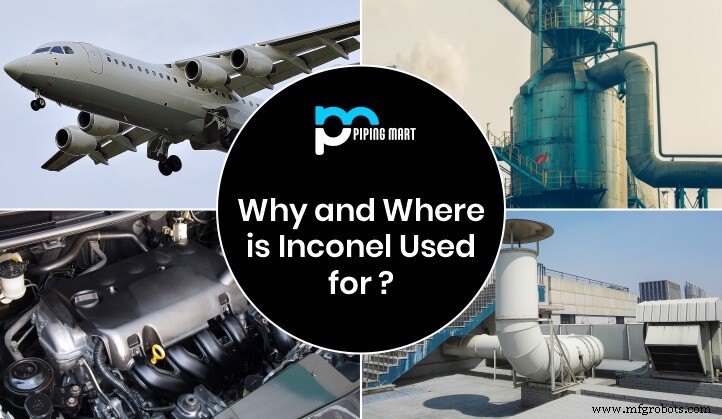
Inconel is a high‑performance austenitic nickel‑chromium superalloy renowned for its exceptional resistance to corrosion, oxidation, and extreme temperatures. Its strength at elevated temperatures is achieved through solid‑solution and precipitation hardening, while its inherent pressure tolerance makes it indispensable for demanding industrial settings.
Below are five principal application areas where Inconel’s unique properties shine:
Aerospace and Jet Engines
Engine components are subjected to sustained high temperatures and pressures. Inconel’s low thermal expansion, creep resistance, and corrosion tolerance enable it to maintain structural integrity under these conditions. Common grades include:
- Inconel 600 – Used for exhaust liners, lock wire, and turbine seals.
- Inconel 601 – Favored for its ease of fabrication and excellent high‑temperature performance.
Oil and Gas Extraction
Processing equipment in oil and gas facilities must withstand corrosive, high‑temperature fluids. Inconel 625’s superior fatigue and thermal‑fatigue resistance, combined with outstanding weldability, make it the material of choice for:
- Line‑piping in sour gas environments.
- LNG processing equipment.
Pollution Control and Waste Processing
Systems that handle hazardous chemicals require alloys that resist aggressive acids and oxidizers while maintaining structural integrity. Inconel C‑276, containing 15‑17% molybdenum, provides exceptional pitting and crevice corrosion resistance. Its low carbon content also prevents carbide precipitation during welding.
Automotive
High‑performance and supercars demand lightweight, heat‑resistant components that also curb emissions. Inconel 625 is frequently employed in exhaust couplings, sensors, and ignition systems, offering reliability across a wide temperature range.
Marine Industry
Seawater’s corrosive nature necessitates materials that can endure prolonged exposure. Inconel 625 is used in propeller blades, propulsion motors, and underwater cable sheathing. Other marine components such as platform risers and high‑strength fasteners also benefit from its durability.
Metal
- Technopolymers: Definition, Properties, and Industrial Applications
- Why the Inductive Time Constant Is L/R, Not LR
- Inconel vs. Incoloy: Key Differences, Properties, and Ideal High‑Temperature Applications
- Mastering Inconel Welding: Expert Tips for High‑Performance Applications
- Where is PTFE (Teflon) Used? Key Industries and Applications
- Why Titanium is the Preferred Metal for Orthopedic Implants
- Why Bronze Is the Preferred Material for Ship Propellers
- Understanding Milling Machines: Functions, Applications, and Benefits
- PVA Filament: Definition, Applications, and Benefits for 3D Printing
- A286 Alloy Explained: Composition, Applications, and Benefits