



Why Titanium is the Preferred Metal for Orthopedic Implants
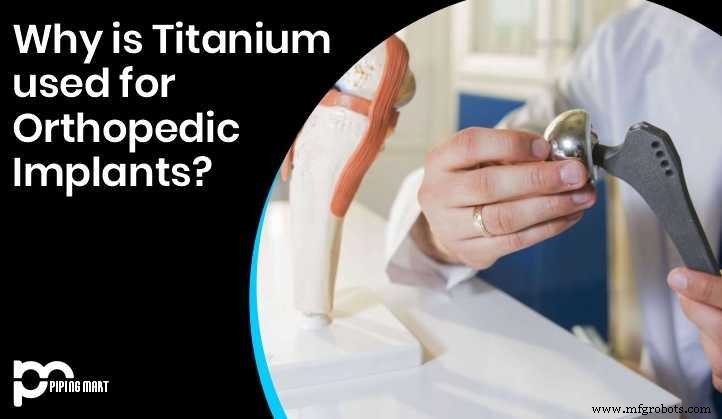
Titanium is a lightweight, high‑strength metal known for its exceptional corrosion resistance. Its ability to withstand exposure to seawater, bodily fluids, and chlorine makes it ideal for medical applications. The material’s unique combination of durability, biocompatibility, and versatility has earned it a central place in the modern orthopaedic toolkit.
Properties of Titanium
Titanium delivers an outstanding strength‑to‑weight ratio while providing excellent thermal and electrical protection. These attributes allow manufacturers to create lighter, stronger devices that outperform those made from other metals. The alloy’s versatility enables precise machining, stamping, welding, and both hot and cold forming across a wide range of sizes and thicknesses.
Grade 5 titanium—an alloy of titanium with aluminum and vanadium—offers the same stiffness and thermal properties as pure titanium but with improved mechanical strength. This makes it particularly suitable for surgical instruments and implants that require robust performance without compromising biocompatibility.
Uses of Titanium
Beyond orthopaedics, titanium alloys are employed in aerospace, military, chemical processing, desalination, automotive, agriculture, telecommunications, and consumer electronics. In the medical field, titanium is widely used for dental and endodontic tools, implants, and orthopedic devices.
So, why is titanium the material of choice for orthopaedic implants?
Orthopaedic surgeons rely on metallic implants to restore joint function and stabilize fractures. Titanium stands out because of its high strength, resistance to fatigue, and superior mechanical performance compared to other metals. Its biocompatibility, low modulus of elasticity, and excellent corrosion resistance—thanks to a stable, protective oxide layer—make it the safest option for long‑term contact with bone and tissue.
Titanium’s surface promotes osseointegration, the natural bonding of bone to implant, while remaining inert in the body’s environment. This minimizes the risk of allergic reactions and implant failure.
Common titanium implants include hip and knee prostheses for joint arthroplasty, spinal fusion cages, and fracture fixation devices such as plates, screws, and intramedullary nails.
Metal
- Understanding the High Cost of Titanium: Supply, Demand & Production Challenges
- Why Zirconium Is Essential for Nuclear Reactor Safety and Efficiency
- Key Applications of Hafnium: From Nuclear Control Rods to Advanced Alloys
- Titanium Today: From Aerospace to Medicine and Beyond
- Titanium: Key Properties, Applications, and Industrial Uses
- Why Fiberglass Cloth Revolutionized Surfboard Design
- Why Origin One Is a Game‑Changer for Production‑Ready 3D Printed Parts
- Inconel Alloys: Key Applications and Benefits in High‑Temperature, Corrosion‑Resistant Environments
- Niobium: Applications in Industry, Jewelry, Gravimetry, and Orthopedic Implants
- Why Bronze Is the Preferred Material for Ship Propellers