



Key Applications of Hafnium: From Nuclear Control Rods to Advanced Alloys
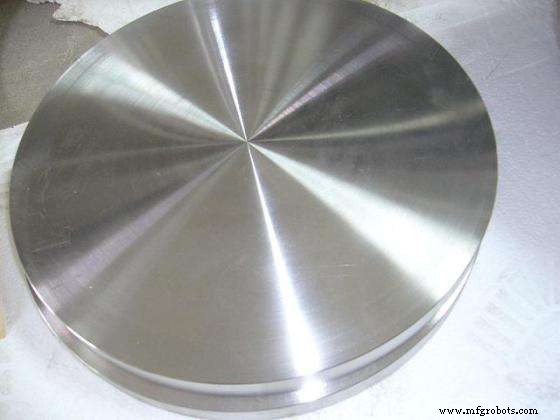
Key Applications of Hafnium: From Nuclear Control Rods to Advanced Alloys
Hafnium is found in zirconium ores. Because this metal must be removed from reactor-grade zirconium, its supply is largely dependent on zirconium production. Hafnium melts at 4,032 °F, but its limited availability has restricted widespread high-temperature use to control rods in water-cooled nuclear reactors.
What Hafnium Is Used For?
The hafnium extracted during zirconium–hafnium separation undergoes a solvent-extraction step, after which it is processed via the Kroll process to yield a sponge. To achieve the ductility required for engineering applications, the sponge is further refined through an “iodide process” before being arc-melted in a consumable-electrode furnace. The material is typically arc-melted twice: first under a protective atmosphere, then in a vacuum.
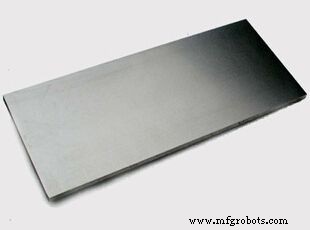
Hafnium plate
Fabrication techniques for hafnium mirror those used for zirconium and titanium. It can be hot-forged and rolled readily at about 1,700 °F, with intermediate annealing around 1,475 °F required during cold rolling. Welding must be performed in a protective atmosphere to prevent oxidation.
Hafnium’s excellent neutron absorption, corrosion resistance in water, and robust mechanical properties make it ideal for nuclear reactor control rods. Hafnium oxide has historically been used in components of X-ray tubes, discharge tubes, radio tubes, television tubes, and rectifiers. Additionally, hafnium serves as an alloying element in specialized high-performance alloys.
Conclusion
Thank you for exploring the multifaceted role of hafnium. For deeper insights into this refractory metal and others, visit Advanced Refractory Metals. We supply high-quality hafnium products and a range of refractory metals at competitive prices.
Metal
- Rhenium in Modern Industry: From Aerospace to Catalysts and Electronics
- Molybdenum Compounds: Key Industrial Applications and Benefits
- Niobium: Applications in Industry, Jewelry, Gravimetry, and Orthopedic Implants
- Aluminum Bronze: Applications, Properties, and Advantages
- Laser Cutter Applications: From Wood to Aerospace
- CNC Routers: Applications, Benefits, and Industry Uses
- ASA Filament: A UV-Resistant 3D Printing Alternative to ABS
- Explore the Versatile Applications of 3D Printing in Industry and Healthcare
- Monel Alloys: Top Applications and High‑Temperature Performance
- Understanding the Purpose of a Lathe: Key Uses and Applications