



Molybdenum Compounds: Key Industrial Applications and Benefits
Molybdenum Compounds: Key Industrial Applications and Benefits
Molybdenum‑based chemicals are essential in modern industry, offering high performance in catalysis, corrosion protection, pigment production, and fire‑suppressing materials. Their unique chemistry delivers cost‑effective, environmentally friendly solutions across multiple sectors.
Catalysis
In petroleum refining, molybdenum combined with cobalt or nickel forms catalysts that remove sulfur from crude oil, producing cleaner fuels and reducing emissions. These catalysts also convert the hydrogen and carbon monoxide generated when waste materials undergo high‑temperature decomposition into valuable alcohols, thereby extending the utility of feedstocks that would otherwise harm precious‑metal catalysts.
Beyond fuel refinement, molybdenum catalysts are employed in selective oxidation processes. For example, they transform propylene, ammonia, and air into acrylonitrile, ether, and other intermediates crucial for plastics and textile manufacturing.
Corrosion Inhibition
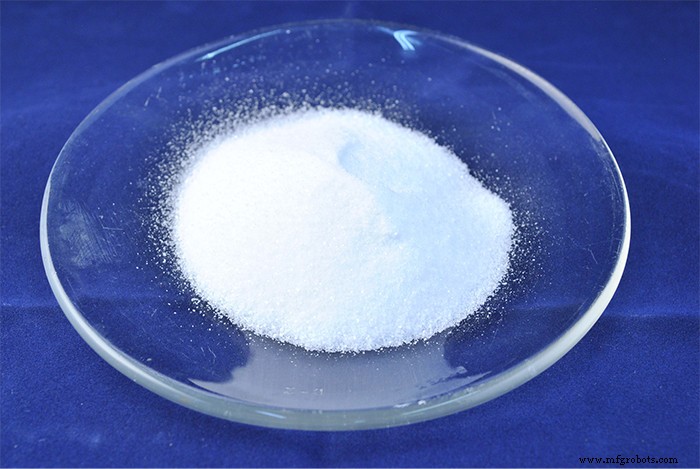
Sodium molybdate is widely applied as a corrosion inhibitor for low‑carbon steel, especially in HVAC cooling water and heating systems. Its low toxicity and gentle oxidizing nature make it ideal for water‑based hydraulic systems, preventing rust while maintaining system integrity.
Pigments and Colorants
Due to its stable color and resistance to corrosion, molybdenum compounds such as molybdenum orange are used as pigments in inks, plastics, rubber, and ceramics. Phosphomolybdic acid serves as a reagent to precipitate dyes like methylene violet and Victoria blue, while white molybdate formulations function as primers that resist oxidation.
Smoke Suppression
In electronics, molybdenum salts such as ammonium octamolybdate are incorporated into polyvinyl chloride insulation to suppress soot formation. This technology enhances fire safety in aircraft, hospitals, and other critical environments where cable insulation failure poses significant risks.
For deeper insights into molybdenum applications, visit samaterials.com.
Metal
- Rhenium in Modern Industry: From Aerospace to Catalysts and Electronics
- Key Applications of Hafnium: From Nuclear Control Rods to Advanced Alloys
- Rhenium: Key Applications and Industrial Uses of the Rare Refractory Metal
- Niobium: Applications in Industry, Jewelry, Gravimetry, and Orthopedic Implants
- Aluminum Bronze: Applications, Properties, and Advantages
- Laser Cutter Applications: From Wood to Aerospace
- CNC Routers: Applications, Benefits, and Industry Uses
- ASA Filament: A UV-Resistant 3D Printing Alternative to ABS
- Explore the Versatile Applications of 3D Printing in Industry and Healthcare
- Monel Alloys: Top Applications and High‑Temperature Performance