



High‑Performance Ti‑Al‑Nb‑Zr‑Mo Alloy for Deep Submersible Shells
Titanium‑Aluminum‑Niobium‑Zirconium‑Molybdenum Alloy for Deep Submersible Shells
When it comes to constructing deep‑sea submersible shells, the Ti‑Al‑Nb‑Zr‑Mo alloy consistently outperforms conventional titanium alloys. Its superior welding characteristics, impact toughness, fracture resistance, and exceptional corrosion protection make it the ideal choice for the harsh marine environment.
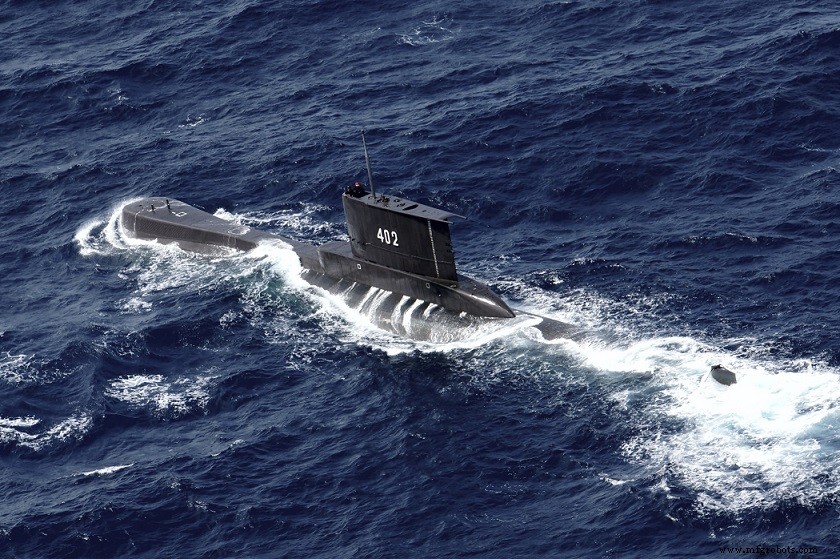
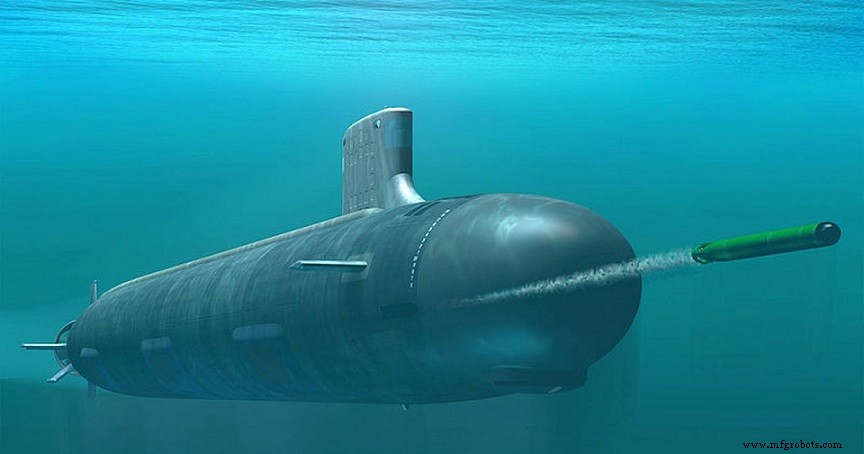
Ti‑Al‑Nb‑Zr‑Mo alloy in a submersible shell
Submersible hulls operate under prolonged exposure to high humidity and saltwater, demanding exceptional pressure tolerance and weld integrity to ensure a long service life. Titanium alloys are prized in marine engineering for their strength, corrosion resistance, non‑magnetism, shock resistance, and excellent workability. However, traditional titanium alloy processing involves lengthy cycles, high energy consumption, and can lead to segregation and coarse microstructures, raising costs.
In contrast, the Ti‑Al‑Nb‑Zr‑Mo alloy delivers a uniform composition, high density, elevated strength, and superior plasticity. These attributes make it especially suitable for critical pressure‑bearing components, piping systems, and shell structures in vessels and submersibles.
Production Process of Ti‑Al‑Nb‑Zr‑Mo Alloy
The alloy is fabricated through a streamlined, energy‑efficient route:
- Accurately weigh and blend Ti, Al, Nb, Zr, and Mo powders in predetermined ratios.
- Subject the mixture to intermittent dry ball‑milling to achieve a homogeneous powder.
- Press the powder into a graphite mold, then transfer it to a spark plasma sintering (SPS) furnace.
- Under a vacuum of 2–8 Pa, apply an axial pressure of 10–50 MPa and heat via a multi‑stage profile to 1000–1150 °C.
- Maintain the temperature for 3–8 minutes before cooling to room temperature.
- Demould the sintered part to obtain the finished Ti‑Al‑Nb‑Zr‑Mo component.
Compared with conventional methods, SPS offers rapid processing, reduced energy consumption, and environmental benefits, while achieving superior mechanical properties.
Conclusion
We hope this overview clarifies why the Ti‑Al‑Nb‑Zr‑Mo alloy is the material of choice for high‑performance submersible shells. For deeper insights into refractory metals and advanced alloys, explore Advanced Refractory Metals (ARM), a leading global supplier headquartered in Lake Forest, California. ARM provides top‑quality refractory metals—including tungsten, molybdenum, tantalum, rhenium, titanium, and zirconium—at competitive prices.
Metal
- Tungsten Alloy: The Ultimate Forklift Counterweight Solution
- High‑Gravity Tungsten Alloy Counterweights: Sustainable, Durable Solutions for Heavy‑Duty Cranes
- Tungsten Alloy Weight Blocks: Enhancing Tennis Racket Performance and Safety
- Tungsten Alloy Bullets: The Eco‑Friendly, High‑Performance Alternative to Lead
- TZM Alloy: The Key Material for High-Performance Rocket Nozzles
- High‑Performance Tungsten‑Titanium Alloy Targets for Advanced Semiconductor Chips
- Rhenium in Modern Industry: From Aerospace to Catalysts and Electronics
- Top 3 Uses of High‑Silicon Iron Bronze Alloy in Modern Engineering
- COLDUR-A® High Silicon Bronze: Superior Strength, Corrosion Resistance, and Easy Fabrication
- DISPAL® S220 AM – High‑Stiffness Aluminum Alloy for Precision Additive Manufacturing