



Sintering of Refractory Metal Powders: Processes, Classifications, and Performance Outcomes
Sintering of Refractory Metal Powders
In the high‑temperature world of advanced materials, sintering is the definitive step that turns a loose powder into a dense, functional component. By heating a compacted powder to its sintering temperature and holding it for a controlled period, the particles bond, shrink, and achieve the density and mechanical strength required for demanding applications.
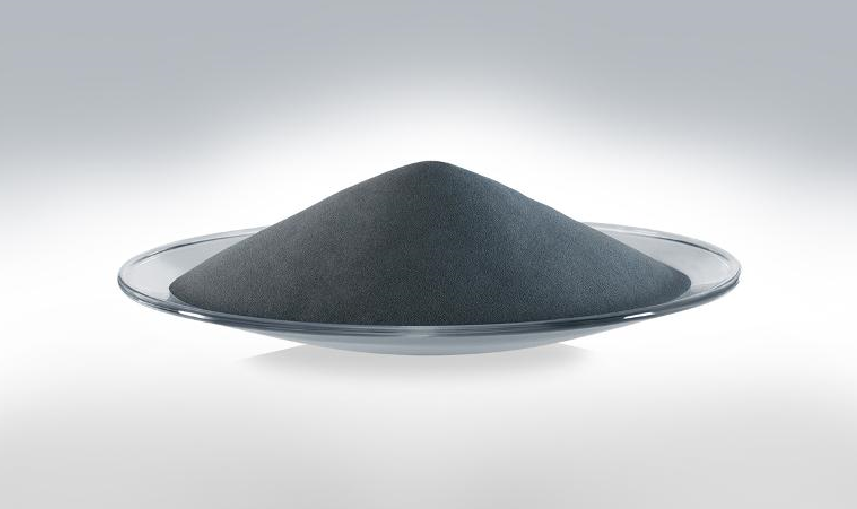
Refractory Metal Powder
Classification of Sintering Processes
Refractory metal sintering is grouped primarily by the number of components and the phase present during the process:
- Single‑component sintering – e.g., tungsten or molybdenum powders, where only one metal species is present.
- Multicomponent sintering – e.g., cemented carbides, which combine a metal binder with hard ceramic phases.
- Solid‑phase sintering – where the powder remains entirely solid during heating.
- Liquid‑phase sintering (LPS) – where a liquid phase forms, enhancing densification; common in carbide processing.
Additional distinctions arise from the atmosphere and equipment used, such as hydrogen sintering, vacuum sintering, activated sintering, or hot isostatic pressing (HIP). These variations are chosen to optimize purity, grain growth, and final mechanical properties.
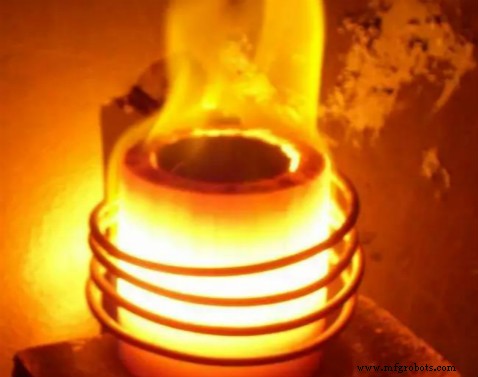
Sintering Process
Key Transformations During Sintering
Once the sintering cycle is complete, the material undergoes dramatic changes:
- Density increase – porosity drops from about 50% to roughly 0.2%, approaching theoretical density.
- Strength gain – the compact’s mechanical strength rises by several orders of magnitude, enabling it to withstand harsh service conditions.
- Microstructural evolution – particle bonds form through diffusion, grain growth, and, in LPS, liquid phase wetting, resulting in a coherent, stress‑free structure.
These changes illustrate the transition from a loosely packed powder to a monolithic component that can endure high temperatures, corrosive environments, and extreme loads.
Conclusion
Understanding the sintering process is essential for engineers designing refractory metal parts. Whether you’re working with single‑component metals like tungsten or complex composites such as cemented carbides, mastering the sintering parameters ensures optimal performance.
For deeper technical insights, visit Advanced Refractory Metals (ARM).
Metal
- Powder Metallurgy: From Powder Production to Final Products – A Comprehensive Process Overview
- Rhenium: A Rare Refractory Metal with Strategic Value
- Tungsten: The World’s Most Refractory Metal and Its Applications
- Refractory Alloy Sintering Process – Six Key Stages & Influencing Factors
- Key Properties of Refractory Metals – What You Need to Know
- Sheet Metal Fabrication: From Design to Delivery – A Complete Process Guide
- The Complete Brass Recycling Process: From Scrap to New Products
- Heat Treatment Explained: Processes, Methods, and Benefits
- Metal Additive Manufacturing: Transforming Production for Aerospace and Beyond
- Streamlined Powder Coating Lines: Efficient, Durable, High-Quality Finishes