



Rhenium: A Rare Refractory Metal with Strategic Value
Rhenium: A Rare Refractory Metal with Strategic Value
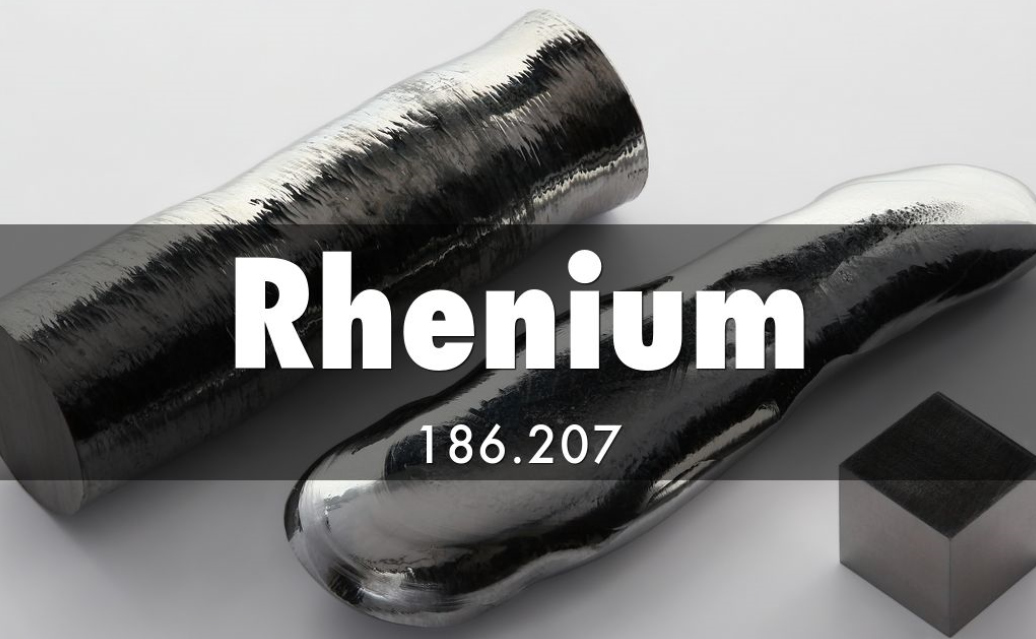
Rhenium (Re, atomic number 75) is one of the world’s most scarce elements, occurring at roughly one part per billion in the Earth's crust. Its extreme rarity, coupled with extraordinary physical properties, makes it a strategic reserve for many nations.
Discovery and Early History
In 1872, Russian chemist Dmitri Mendeleev predicted the existence of an undiscovered “manganese‑like” element with an atomic weight near 190. For decades scientists searched unsuccessfully among manganese, platinum, and rare‑earth ores. The element was finally isolated on 5 September 1925 by German geochemists Karl Nordak and R. Taikami, who used X‑ray spectroscopy to identify it in a concentrated ore sample. The element was named rhenium, after the River Rhine.
Physical and Chemical Properties
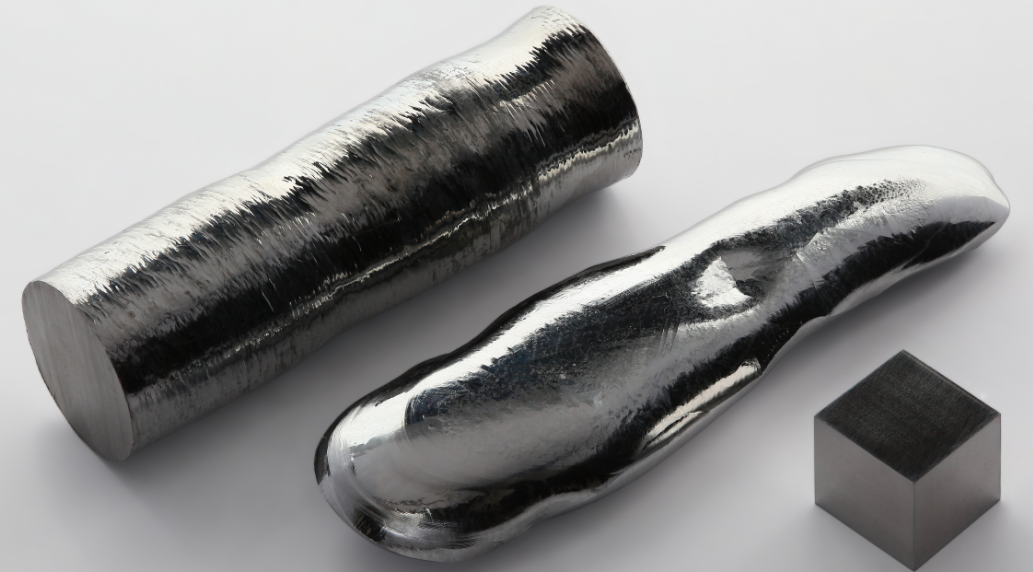
Rhenium is a dense, silvery metal with a density of 21.04 g cm⁻³. It melts at 3 180 °C and boils at 5 627 °C, and crystallizes in a close‑packed hexagonal lattice. The element is soft in its pure state, resembling platinum, and exhibits excellent mechanical strength. Rhenium dissolves in dilute nitric acid and hydrogen peroxide but resists hydrochloric and hydrofluoric acids. It displays oxidation states +3, +4, +6, and +7. At high temperatures it reacts with sulfur vapor to form ruthenium sulfide (ReS₂) and can be oxidized to the highly stable hepta‑oxide (Re₂O₇).
Mining and Extraction
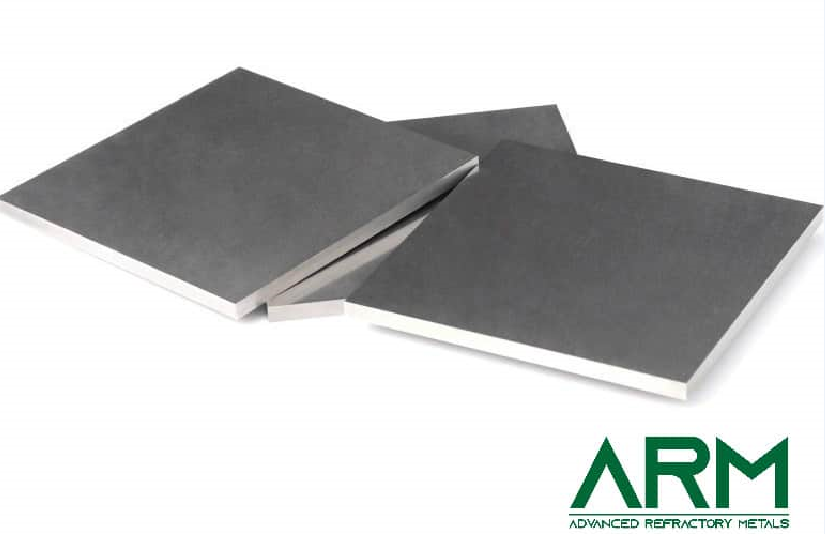
Rhenium’s global reserves are estimated at only ~2,500 tons, a fraction of the world’s titanium supply (~2 billion tons). It is typically found in trace amounts (10⁻⁵–3×10⁻⁵ %) within molybdenite, copper, platinum, and other metal ores. Because independent mining is economically unviable, rhenium is recovered as a by‑product during smelting of molybdenum and other base metals. The most efficient method involves oxidizing molybdenum concentrate with hydrogen peroxide to produce soluble Re₂O₇, which is then reduced to metallic rhenium via hydrogen or electrolysis, yielding fine powder for alloying.

The Rhenium Effect
Rhenium’s exceptional attributes give it a unique “Rhenium Effect” that is critical across several high‑technology sectors:
1. Catalysis
Its high selectivity makes rhenium a cornerstone catalyst in the petroleum industry, accounting for over 60 % of global consumption. Patented rhenium‑based filters are also used to scrub vehicle exhaust gases.
2. Electron Emission
Rhenium’s superior electron emission extends the lifespan of vacuum tubes and cathodes by a factor of 100 compared to tungsten. It is also employed in marine ship permanent‑magnet generators for its durability.
3. Alloy Enhancement
Rhenium’s excellent plasticity and high‑temperature strength make it an ideal alloying element for tungsten, molybdenum, and chromium. It lowers the ductile‑brittle transition temperature and improves creep resistance, enabling the production of high‑temperature superalloys used in aerospace and power‑generation.

Applications in Aerospace Engines
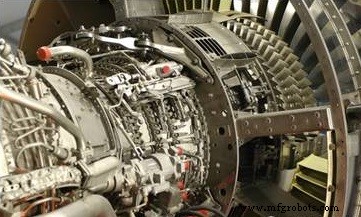
Rhenium‑rich single‑crystal superalloys (e.g., CMSX‑4, ReneN‑6, TMS‑162) dominate the high‑pressure turbine blades of modern jet engines. Their enhanced high‑temperature creep resistance allows turbines to operate at elevated temperatures, increasing thrust and fuel efficiency.
Conclusion
Rhenium’s rarity, coupled with its unique physical and chemical properties, secures its status as a strategic material for catalysis, high‑temperature alloys, and aerospace propulsion. For further information on rhenium and other refractory metals, visit Advanced Refractory Metals (ARM), headquartered in Lake Forest, California.
Metal
- Tungsten: The Ultimate Refractory Metal – Facts, Uses, and Applications
- Rhenium: 6 Fascinating Facts About This Rare, High‑Melting Metal
- Tungsten: The World’s Most Refractory Metal and Its Applications
- Refractory Metal Materials: Current Applications and Key Alloy Innovations
- Metallic Glass: The Ultra‑Strong, Ultra‑Soft Alloy Bridging Metals and Glass
- Refractory Metal Powders vs. 3D Printing: Cutting‑Edge Additive Manufacturing for High‑Temperature Metals
- Abundant Refractory Metals: Properties, Applications, and Emerging Technologies
- Sintering of Refractory Metal Powders: Processes, Classifications, and Performance Outcomes
- Key Properties of Refractory Metals – What You Need to Know
- Heat Treatment of Metals: Processes, Benefits & Modern Applications