



Mastering IoT User Experience: Why It’s Harder Than Ever and How to Lead
Delivering a frictionless user experience for IoT devices is increasingly complex. The convergence of hardware, software, and connectivity demands that product leaders orchestrate multiple teams, technologies, and user personas to deliver a seamless, cohesive journey.
Over the decades, UX best practices have evolved from desktop to web to mobile. Now, the IoT revolution adds a new layer of complexity that can eclipse all previous challenges. As IoT penetrates every industry, product teams must create a consistent experience across an entire technology stack—from the physical device to APIs used by integrators.
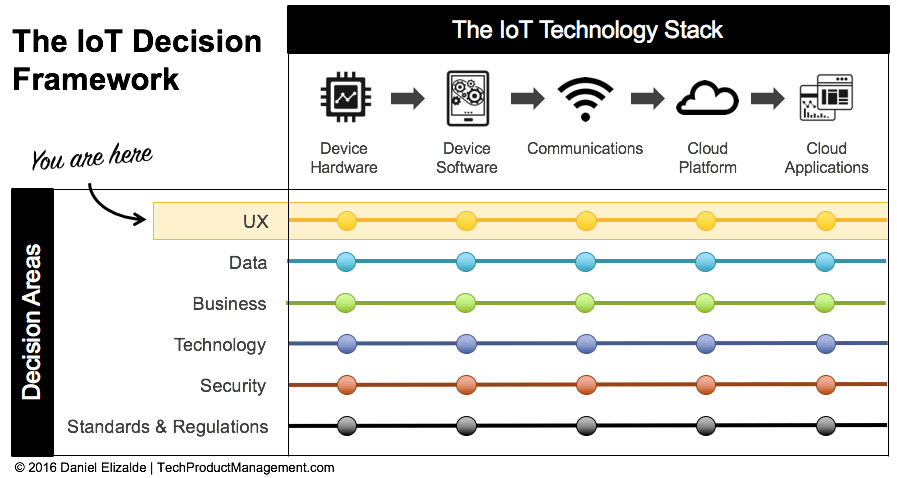
Why Consistency Across IoT is Harder Than Traditional Cloud or Mobile
Most product managers transition from either hardware or software domains. IoT blends both, requiring new competencies. Hardware and software teams often work in silos, yet users expect a unified experience regardless of the underlying component.
Case Study A: Consumer IoT – The Smart Thermostat
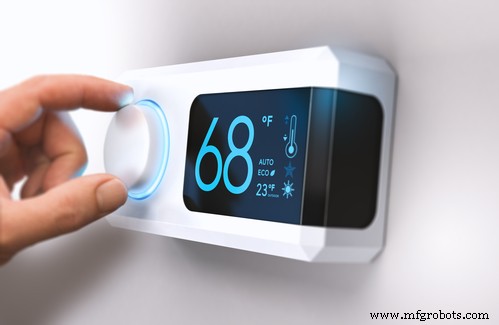
A smart thermostat illustrates the multi‑layer UX puzzle:
- Device Design – The unit must look good enough to be proudly displayed in a living room. Industrial designers typically handle this, but software‑centric PMs need to collaborate closely.
- Embedded UI – The thermostat itself hosts a touch screen, physical buttons, or an LCD display. The UI must be intuitive, brand‑aligned, and compact.
- Web Dashboard – Provides detailed usage analytics for power‑saving insights.
- Mobile App – Offers remote control and high‑level summaries on the go.
Each channel has a distinct real‑estate and user mental model. The goal is to make a user feel they are interacting with a single, coherent product across all touchpoints.
Case Study B: Industrial IoT – Solar Panel Array
Industrial deployments amplify the UX challenge. A rooftop solar array may include:
- Hardware Hub – A rugged, waterproof gateway that aggregates panel data. Its appearance is secondary to durability and clear status indicators (LEDs or a small LCD).
- Technician Interface – A tablet app for on‑site troubleshooting.
- Facility Manager Dashboard – A web portal to monitor performance metrics.
- Integration APIs – Connections to building management systems or external analytics services. These APIs are themselves a user interface for developers and integrators.
With four distinct user groups—technician, facility manager, developer, and system integrator—consistency becomes even more critical. A polished consumer dashboard cannot compensate for a clunky API or an unreliable gateway display.
Strategies for Ensuring Cross‑Platform Consistency
- Map the Full IoT Stack – Document every component, interface, and stakeholder.
- Prioritize Users – Identify core personas and their priorities. My IoT Product Manager certification program offers a proven framework for this.
- Define a Unified Design System – Establish visual and interaction guidelines that span hardware, embedded UI, web, and mobile.
- Facilitate Cross‑Team Alignment – Act as the central communication hub for product, engineering, design, sales, marketing, and customer success.
- Iterate with Feedback Loops – Conduct usability tests on each interface and ensure findings inform all teams.
- Maintain Consistent API Design – Treat developer APIs as first‑class user interfaces; provide clear documentation and consistent error handling.
Bottom Line
Product managers are the linchpin that aligns vision, user needs, and execution across disparate teams and technologies. Only when every stakeholder shares a unified understanding of the product’s purpose and target experience can the roadmap, backlog, and development sprint begin to take shape.
Internet of Things Technology
- Why Edge Computing Is Essential for IoT Success
- Why User Onboarding Is Critical—and How to Get It Right
- Why There’s No One-Size‑Fit Killer App for IoT
- Why IoT Projects Often Fail – Insights & Practical Strategies
- Why 98% of IoT Traffic Remains Unencrypted — A Call for Immediate Action
- Why There Aren’t ‘Good’ Bots—What Makes a Bot Truly Successful
- Transforming Customer Experience with IoT: Smart Solutions for Superior Satisfaction
- Unlocking Real-Time Value: Why Your Business Must Embrace IoT
- Crossing the Chasm: Overcoming Pilot Purgatory for Real Business Value
- Predictive Maintenance: Growth, Challenges, and the Key to Success