



Aluminum Foil: Conductivity, Uses, and Insulation Properties
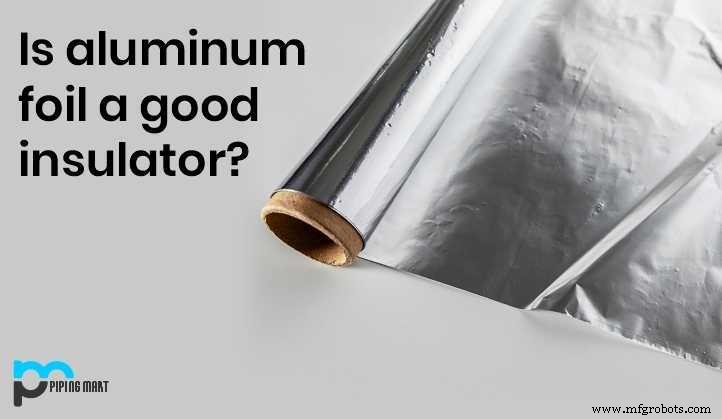
Aluminum foil consists of thin sheets of aluminum whose thickness is typically less than 0.2 mm (about 0.016 mm for standard household foil and 0.024 mm for medium‑duty foil). In the United States, foil gauges are often expressed in thousandths of an inch. The material can be folded, twisted or wrapped around objects with ease, but sheets thinner than a few micrometers become brittle, so they are usually laminated with a polymer backing for added strength and flexibility.
In 2003, European manufacturers produced roughly 800 000 tons of aluminum foil, while U.S. production reached about 600 000 tons. Roughly 75 % of that volume is devoted to food packaging, cosmetics and pharmaceutical products, with the remaining 25 % used for industrial applications such as thermal insulation, electrical cable sheathing and electronics.
Key Applications of Aluminum Foil
Aluminum foil’s high electrical conductivity and lightweight make it ideal for:
- Radiation shielding and reflectivity in thermal exchangers and power cables.
- Barrier packaging that blocks light, oxygen, moisture, odors and microbial contamination.
- Aseptic food and beverage packaging that allows shelf‑stable storage without refrigeration.
- Components in consumer electronics, including flexible printed circuits.
Electrical Conductivity
Aluminum is one of the best electrical conductors available, second only to copper in conductivity. Its resistance is approximately 2.65 × 10⁻⁸ Ω·m, which translates to about 1 % higher resistance than copper. The high conductivity combined with its low density (2.70 g cm⁻³) makes aluminum a popular choice for power transmission lines and electronic connectors.
Thermal Insulation Properties
Although aluminum is an excellent conductor of heat, it behaves as a very poor thermal insulator. In most applications, its reflective surface reduces radiative heat transfer, which is why aluminum foil is frequently incorporated into thermal blankets, reflective sheets and insulation layers in building envelopes.
Space Blankets (Emergency Thermal Blankets)
Commercial emergency blankets are typically made from a thin film of polyethylene terephthalate (PET) coated with a layer of aluminum foil. The PET provides the mechanical strength and flexibility, while the aluminum coating reflects up to 97 % of the body’s infrared radiation, helping to retain body heat during cold‑weather emergencies.
Vacuum Flask Construction
In vacuum insulated flasks, a metallic inner or outer layer—often aluminum—is used to reflect radiant heat. The vacuum space between the layers eliminates conductive and convective heat transfer, while the aluminum surface minimizes radiative losses, keeping liquids hot or cold for extended periods.
In summary, aluminum foil is an outstanding electrical conductor and an effective barrier against light, moisture and gases. While it is not a thermal insulator, its reflective properties are exploited in a range of protective and energy‑saving products.
Metal
- 5 Clever Ways to Use Aluminum Foil in Everyday Life
- Molybdenum: A Superior Electrical Conductor and Heat Transfer Material
- Aluminum Foil: Premium, Versatile Material for Thermal Insulation & Industrial Applications
- 14 Fascinating Facts About Aluminum: History, Uses & More
- Aluminum Sustainability: Why It’s a Greener Choice
- 6061 vs 7075 Aluminum Alloys: Strength, Versatility, and Application Guide
- Preventing Aluminum Corrosion: Proven Strategies for Long-Lasting Durability
- EN AW-5005 Aluminum Alloy: Low Density, High Thermal Conductivity & Corrosion Resistance
- AA 3003 Aluminum Alloy – H19 Grade: Corrosion‑Resistant & Versatile
- AA 7075 T7: Premium High‑Strength Aluminum Alloy for Aerospace