



Why Robust Maintenance Procedures Are Essential for Industrial Success
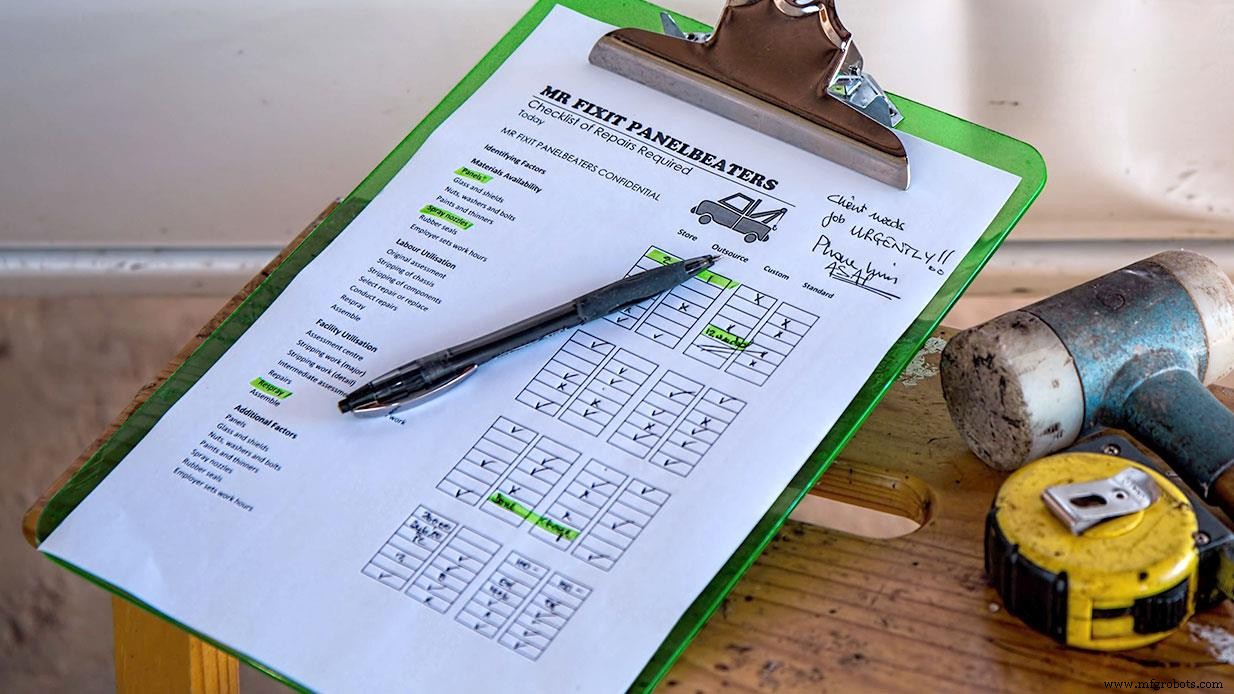
In the world of industrial maintenance, the most common profile is the confident, independent technician—often labeled a type‑A personality. They value their hands‑on knowledge and pride themselves on getting the job done. While this mindset drives innovation, it can also create resistance to formal procedures. Many maintenance departments claim they have procedures in place, yet these documents are often vague, generic, and underused.
Procedures that simply say “inspect” or “overhaul” provide little guidance for those who are not already familiar with the equipment’s intricacies. To these technicians, detailed instructions can feel like unnecessary paperwork or, worse, a threat to their expertise and job security. Crafting a truly useful procedure is also time‑intensive, requiring technical research and careful drafting that can expand a one‑sentence directive into a 10‑ to 20‑page document.
Despite these challenges, detailed maintenance procedures deliver tangible benefits that far outweigh the initial investment.
Benefits of Procedures
Procedures capture and codify the tacit knowledge that technicians accumulate over years of work. For example, when I asked a senior technician to walk through the PM of a machine, he mentioned greasing six lubrication points. A colleague immediately pointed out a seventh, hidden point that only a few had discovered. Even with a small team of 12, such gaps can cascade across an entire plant when knowledge is not shared.
They also enforce consistency. A single, well‑defined lubricant volume, torque specification, or alignment tolerance ensures every technician applies the same standard, reducing variability and improving reliability.
Documented procedures create a clear equipment history. When a failure occurs, the maintenance log reveals exactly what was performed, when, and by whom—streamlining root‑cause analysis and informing future PM schedules.
Procedures serve as living knowledge bases. As technicians learn that a particular bearing requires a specific lubrication interval, that insight can be added to the procedure, making the learning permanent and accessible to all.
They enable institutional change. Introducing an anti‑seize compound or a new alignment method can be embedded in the procedure, turning a temporary reminder into a lasting habit.
With comprehensive procedures, scheduling becomes easier. Any qualified technician can pick up a job without needing a specialist on hand, freeing experts to focus on higher‑value tasks and accelerating workforce development.
Procedures also simplify planning by listing required parts, tools, and coordination steps. This reduces reliance on memory, cuts downtime, and boosts overall efficiency.
Finally, procedures ensure knowledge dissemination. When a new standard—such as using adhesive on all set screws—is added, it is documented and accessible to every team member, preventing lapses caused by absent shifts or miscommunication.
Today’s equipment is far more sophisticated than it was 20 to 30 years ago. Advanced diagnostics, laser alignments, and sensor technology demand precision and reduce room for error. Effective procedures bridge the gap between complex technology and the technicians who operate it, safeguarding plant reliability and fostering continuous improvement.
Equipment Maintenance and Repair
- Outsourced Maintenance Explained: Boost Reliability, Cut Costs, and Streamline Operations
- Why Top Manufacturers Rely on World‑Class Motor Management & Maintenance
- Why Prioritizing MRO Saves Time and Money in Manufacturing
- Why Maintenance Departments Decline Over Time and How to Counteract It
- Why a Maintenance Work Order System Is Essential for Your Business
- Unlocking Predictive Maintenance: The Future of Manufacturing Reliability
- Preventive Maintenance Demystified: A Complete Guide for Modern Organizations
- Ensure Safety and Efficiency: The Critical Role of Wind Turbine Brakes
- Benefits of Using a Mechanical Ironworker for Precision Metal Fabrication
- Why Beverage Robots Are Essential for Modern Hospitality