



Can Molybdenum Combine with Other Elements? Expert Insights on Alloying and High‑Temperature Use
Can Molybdenum Combine with Other Elements? Expert Insights on Alloying and High‑Temperature Use
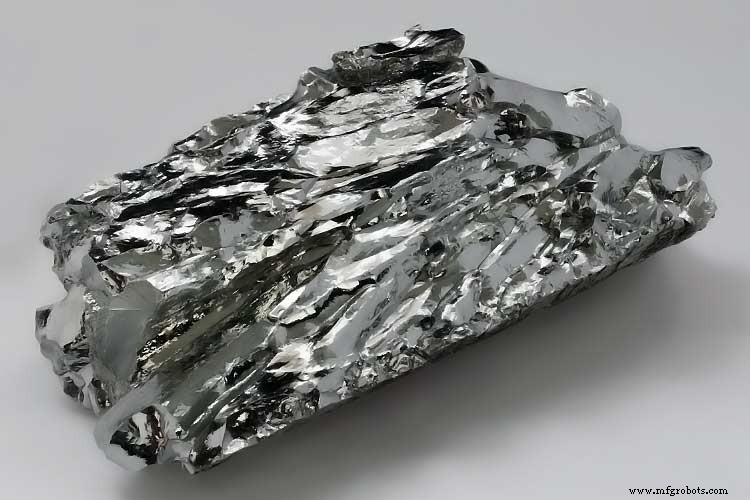
Molybdenum is a refractory metal with a melting point of 2,623 °C (4,756 °F), 695 °C lower than tantalum. Its high melting temperature and relative abundance in the United States made it the first refractory metal considered for high‑temperature structural applications. Historically, molybdenum was added to steels and nickel‑base alloys as an alloying element. Today, advanced molybdenum alloys deliver exceptional strength‑density ratios for service temperatures above 1,760 °C (3,200 °F).
Will Molybdenum Combine with Other Elements?
Molybdenum oxidizes rapidly at elevated temperatures. Consequently, prolonged exposure to high heat requires protective atmospheres, vacuum environments, or protective coatings. Extensive research on coatings—such as silicon nitride and boron nitride layers—has significantly extended the service life of molybdenum components.
Commercial molybdenum metal is produced as a powder through a hydrogen‑reduction process, the final step in a series of recovery operations. The hydrogen reduction, sintering, and casting procedures closely mirror those used for tungsten. Despite its propensity for oxidation, forgings and other hot‑worked products can be successfully manufactured in air when properly handled.
Hot‑cold working of molybdenum produces a fibrous microstructure that offers superior strength and ductility compared to annealed, recrystallized material. This microstructure is especially valuable for applications whose service temperatures remain below the recrystallization threshold.
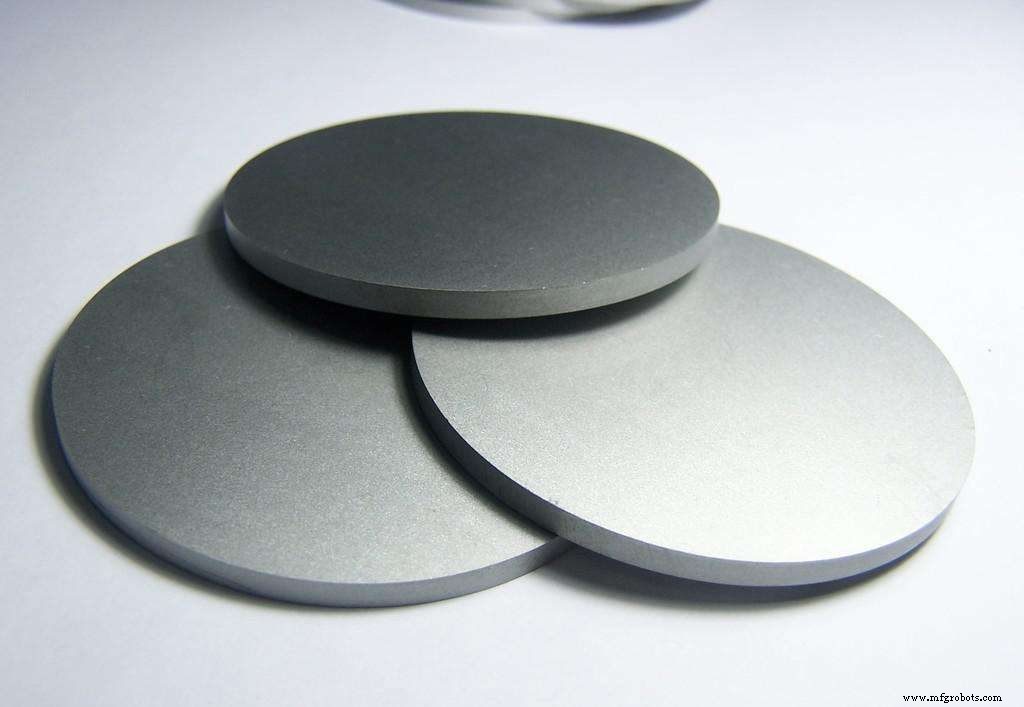
molybdenum targets
The versatility of molybdenum—its ability to be formed and machined by virtually all conventional fabrication processes—makes it a prime candidate for ultra‑high‑temperature structural components. Current experimental programs are exploring its use in ramjet engines, hypersonic vehicles, and other advanced aerospace applications.
Molybdenum has been employed in many of the same roles as tungsten when the temperature range does not demand tungsten’s superior heat resistance. Typical applications include electrical contacts, electrodes, electronic components, and rocket nozzle inserts.
When high‑temperature resistance is the primary requirement, engineers may choose pure molybdenum or molybdenum‑tungsten alloys. For enhanced strength and creep resistance, the following alloy compositions are commonly used:
- Mo‑0.5 Ti
- Mo‑1.25 Ti‑0.15 Zr
- Mo‑0.5 Ti‑0.08 Zr
- Mo‑0.5 Zr
- Mo‑0.5 Ti‑0.1 Zr
- Mo‑30 W
Conclusion
Thank you for reading. If you’d like more information on molybdenum and other refractory metals, visit Advanced Refractory Metals for high‑quality products and competitive pricing.
Metal
- Profiling Distributed Applications with Linux perf: A Practical Guide
- Does Tungsten Wire Mesh React with Air? A Technical Overview
- Molybdenum–Copper Alloys: Key Properties and Cutting‑Edge Applications
- Molybdenum Powder: Types, Properties, and Industrial Applications
- 6 Key Applications of Molybdenum – From Steel to Medicine
- Molybdenum and Its Alloys: Key Applications in Material Processing
- DARPA’s 5G Research Accelerates Commercial Applications
- CNC Wood Router: Versatile Precision for High-Quality Furniture & More
- AI in Medicine: 5 Proven Real-World Applications with Practical Examples
- Where to Start with Additive Manufacturing: Top 3 Proven Applications