



Corrosion‑Resistant Zirconium Alloys: Key Properties & Applications
Corrosion‑Resistant Zirconium Alloys: Key Properties & Applications
Zirconium is renowned for its exceptional resistance to a wide range of corrosive media—including organic acids, inorganic acids, strong alkalis, and molten salts. These properties make zirconium and its alloys indispensable for extending the service life of critical components in harsh chemical environments.
Surface pretreatment further enhances durability. By exposing zirconium to high‑temperature air, a dense, oxygen‑rich oxide film forms on the surface, dramatically reducing corrosion. In sulfuric acid, oxidized zirconium shows an annual corrosion rate that is only 5 % of that of unmodified zirconium.
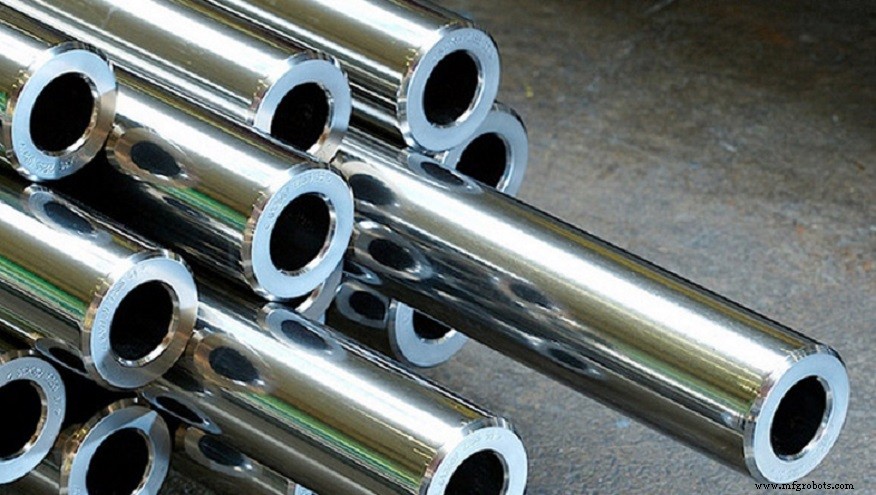
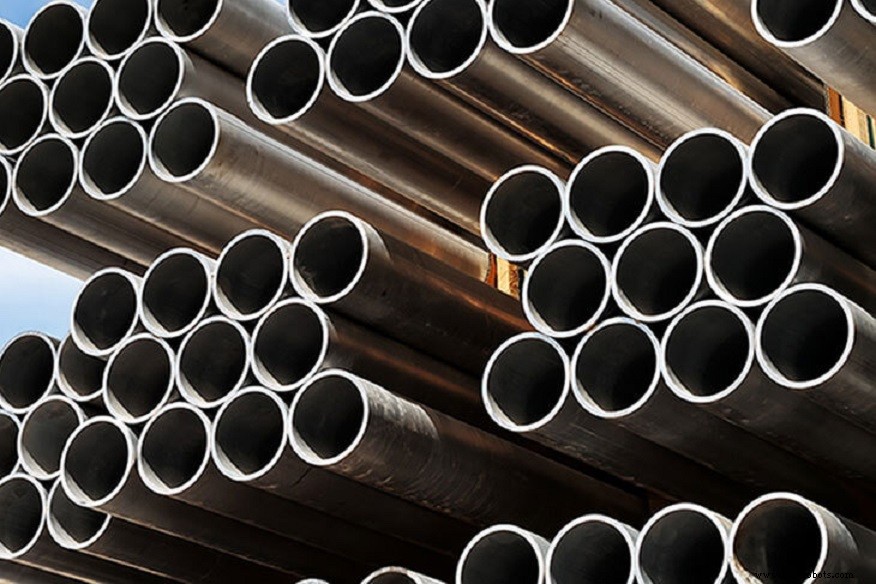
In industry, zirconium alloys are routinely used in heat exchangers, dyke washing towers, reactors, pumps, valves, and pipelines that handle corrosive media. For instance, zirconium‑based hydrolysis tubes are employed in hydrogen‑peroxide production lines, while zirconium pressure‑reducing valves, agitators, and flow meters find applications in fertilizer manufacturing, wastewater treatment, and dye processing.
The principal corrosion‑resistant zirconium alloys are Zr702, Zr704, Zr705, and Zr706. Zr702 is essentially pure zirconium with trace additions of O, H, and N, offering high corrosion resistance but limited mechanical strength—ideal for pipelines in sulfuric acid with FeCl₃. Zr705, a zirconium‑niobium alloy, delivers twice the strength of Zr702 and is preferred for high‑strength, high‑elongation equipment such as barrier heat exchangers.
Beyond chemical engineering, zirconium’s biocompatibility, elastic modulus close to natural bone (15‑30 GPa), and corrosion resistance have spurred its adoption in biomedical applications. Early titanium alloys like Ti6Al4V suffered from an elastic modulus (~110 GPa) that mismatched bone, leading to stress shielding. In the 1990s, the ZrTiNb alloy—developed by Smith & Nephew Richards—provided a bone‑like modulus while maintaining full biocompatibility. Subsequent research by Williams et al. demonstrated that ZrTiNb’s wear‑corrosion degradation is significantly lower than Ti6Al4V’s. Today, a suite of medical zirconium alloys—including ZrNb, ZrMo, ZrCu, ZrMoTi, and ZrSi—continues to advance implant technology.
Conclusion
We hope this overview deepens your understanding of corrosion‑resistant zirconium alloys and their broad industrial and biomedical relevance. For more information on zirconium alloys or other refractory materials, visit Advanced Refractory Metals (ARM). Headquartered in Lake Forest, California, ARM is a global leader in manufacturing and supplying high‑quality refractory metals—including molybdenum, tantalum, rhenium, tungsten, titanium, and zirconium—at competitive prices.
Metal
- Titanium‑Zirconium‑Molybdenum (TZM) Alloy: The Superior Choice for Hot Runner Nozzles
- Zirconium Alloys: Fundamentals, Development, and Applications
- Zirconium: From Mineral Origins to Nuclear Reactor Applications
- Alloy 31 Stainless Steel Plate – Superior Strength & Ductility for Extreme Environments
- ASTM Alloy 20 Heat‑Treated Stainless Steel – Properties & Performance
- Alloy 718 – High‑Performance Nickel‑Chromium Steel
- AA 2219 T3 Aluminum Alloy – Superior Strength & Heat Resistance
- AA 2219 T8 Aluminum Alloy – High Strength, Heat‑Resistant, Ideal for Advanced Metalworking
- Alloy 52 Plate – High-Performance Nickel-Iron Composite for Industrial Applications
- Alloy 52 Bar: High-Performance Nickel-Iron Steel with Superior Strength