



Titanium‑Zirconium‑Molybdenum (TZM) Alloy: The Superior Choice for Hot Runner Nozzles
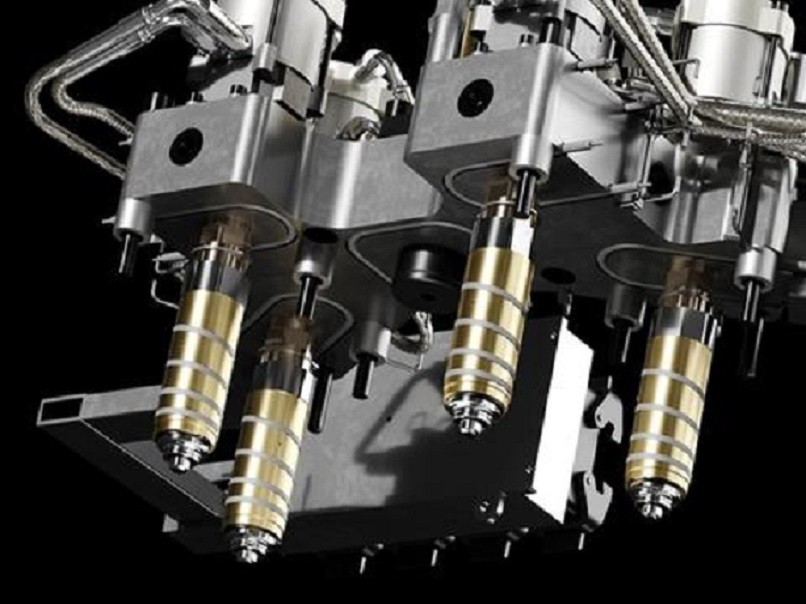
Titanium‑Zirconium‑Molybdenum (TZM) Alloy: The Superior Choice for Hot Runner Nozzles
Why does the high‑performance TZM alloy dominate the market for hot runner nozzles? This article explains the technical advantages that make TZM the material of choice for injection‑molding leaders worldwide. As an example, HRSflow has just expanded its 3,000‑square‑meter plant in San Polo di Piave, Italy, to adopt lean‑manufacturing principles that enhance hot‑runner assembly efficiency and deliver greater flexibility to clients.
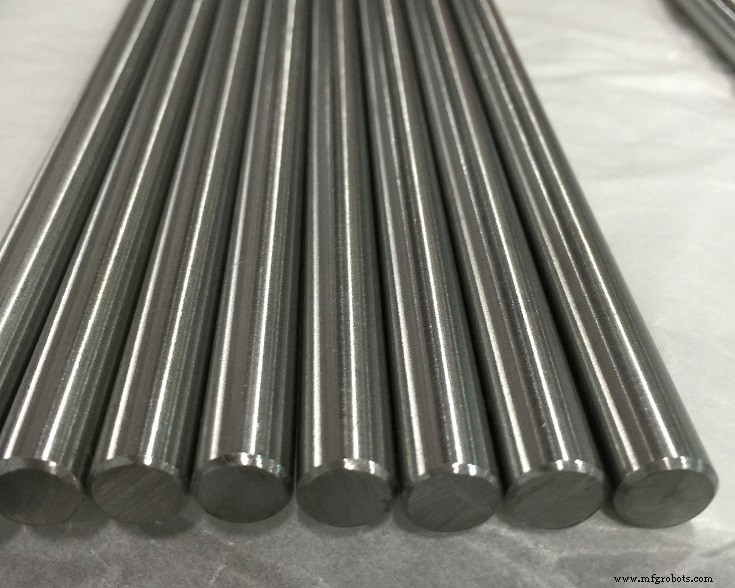 Titanium‑Zirconium‑Molybdenum (TZM) Alloy
Hot runners have revolutionized injection molding by heating the melt directly between the nozzle and the mold cavity. While the initial capital cost exceeds that of cold runners, the resulting ultra‑high production efficiency makes hot runners a cost‑effective long‑term investment. They produce parts with superior appearance, enhanced functionality, improved energy efficiency, and reduced material waste—ultimately shortening cycle times and cutting part costs.
Given these benefits, manufacturers of all sizes are adopting hot‑runner systems and continuously refining them. This article focuses on one critical component: the nozzle.
A nozzle’s material determines production efficiency, system reliability, and product quality. Pure molybdenum offers a high melting point, excellent strength, low thermal expansion, and outstanding thermal conductivity—making it suitable for many high‑temperature applications. However, the TZM alloy, a molybdenum‑based composite, further elevates performance through powder‑metallurgy processing.
Although TZM costs roughly 25% more than pure molybdenum, the higher high‑temperature strength offsets the premium. TZM’s recrystallization temperature is higher, reducing embrittlement risk. In demanding thermal environments, TZM delivers superior strength, hardness, creep resistance, and ductility, ensuring that nozzles remain robust and precise over extended use.
Consequently, TZM alloy is the material of choice for hot‑runner nozzles that must withstand rigorous thermal cycles while maintaining performance and reliability.
Conclusion
Thank you for reading. We hope this overview clarifies why TZM alloy is a top‑tier option for hot‑runner nozzles. For deeper insights into TZM or other refractory metals, visit Advanced Refractory Metals (ARM)—a global leader in high‑quality refractory metals and alloys.
Based in Lake Forest, California, ARM supplies a full range of refractory materials—including TZM, niobium, molybdenum, tantalum, rhenium, tungsten, titanium, and zirconium—at competitive prices.
Metal
- TZM Alloy vs Pure Molybdenum: Performance, Properties, and Applications
- Corrosion‑Resistant Zirconium Alloys: Key Properties & Applications
- Tungsten Alloy Bullets: The Eco‑Friendly, High‑Performance Alternative to Lead
- TZM Alloy: The Key Material for High-Performance Rocket Nozzles
- High‑Performance Tungsten‑Titanium Alloy Targets for Advanced Semiconductor Chips
- Tungsten‑Copper vs. Molybdenum‑Copper Alloys: Key Differences & Applications
- Tungsten‑Molybdenum‑Iron Alloys: Enhancing Steel Strength and Production Efficiency
- Titanium Alloy Heat Treatment: Optimizing Strength, Stability, and Process Control
- Top 5 Metal Powders for Advanced 3D Printing
- High-Performance TZM Pickled Sheet – Titanium‑Zirconium‑Molybdenum Alloy