



Molybdenum Disulfide (MoS₂): Pioneering the Next Generation of Chip Technology
Molybdenum Disulfide (MoS₂): Pioneering the Next Generation of Chip Technology
Molybdenum disulfide (MoS₂) is rapidly emerging as the leading contender to replace silicon in advanced electronics. Its single‑layer atomic structure and direct band‑gap give it unparalleled optoelectronic performance, making it ideal for high‑speed transistors, flexible displays, and energy‑efficient processors.
Cutting‑Edge Research
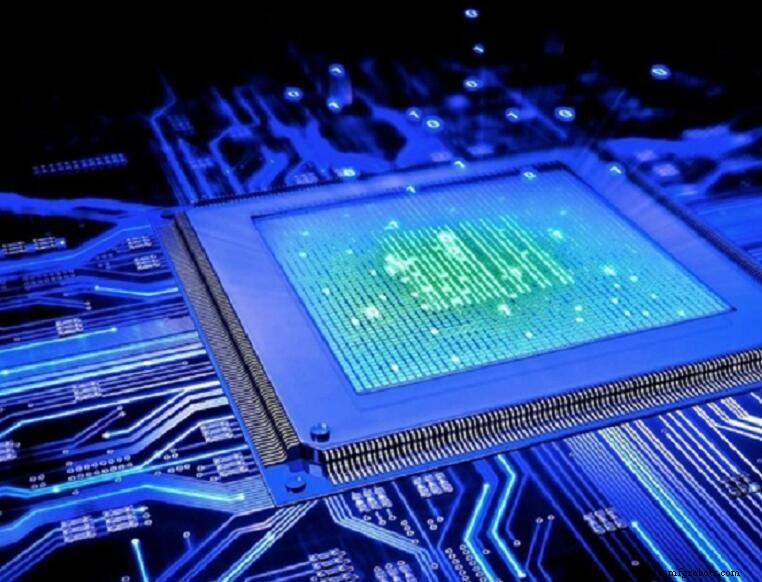
EPFL scientists have harnessed MoS₂ to build a “brain‑like” chip that can process and store data in the same circuit, a breakthrough that promises unprecedented miniaturization and power savings. Published in Nature, the study demonstrates the first integration of logic and memory using floating‑gate field‑effect transistors (FGFETs) based on only three atomic layers of MoS₂.
Molybdenum Disulfide (MoS₂)
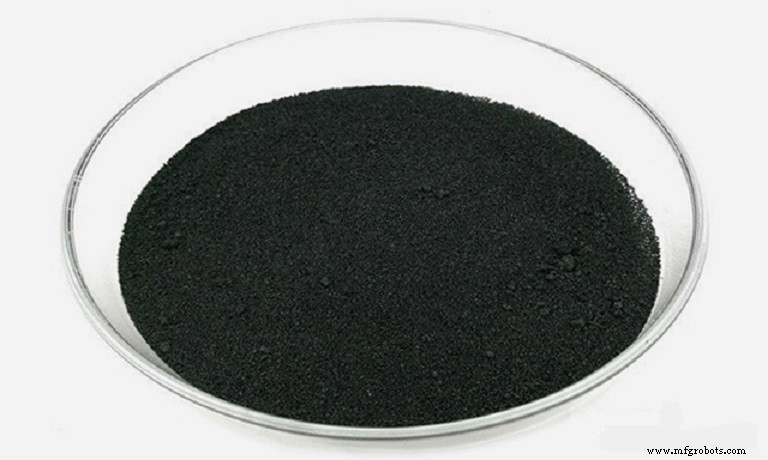
Unlike graphene, MoS₂ is a direct‑band‑gap semiconductor, enabling it to switch rapidly between on and off states. Its layered S–Mo–S structure provides a high surface area, rapid electron transport, excellent radiation hardness, and low power consumption—all key attributes for tomorrow’s devices.
In the EPFL chip, the ultrathin MoS₂ layer serves as the floating gate, holding charge for extended periods while remaining highly responsive to electrical stimuli. This dual functionality eliminates the need for separate memory and logic units, reducing device thickness and improving energy efficiency.
Beyond semiconductors, MoS₂’s exceptional lubricating properties, chemical stability, and catalytic activity make it valuable in aerospace, automotive, mining, and marine industries. Its versatility positions it as a cornerstone material for both electronics and industrial applications.
Conclusion
MoS₂ represents a paradigm shift in microelectronics and industrial technology. For those interested in exploring MoS₂ and related refractory metals, Advanced Refractory Metals (ARM)—based in Lake Forest, California—offers high‑quality MoS₂ products at competitive prices. Visit ARM to learn more about this transformative material and its applications.
Metal
- Rare Earth Metals: Future Challenges and Strategies for Sustainability
- High‑Performance Molybdenum Sputtering Targets for Semiconductor Applications
- Tungsten‑Molybdenum‑Iron Alloys: Enhancing Steel Strength and Production Efficiency
- Molybdenum Compounds: Key Industrial Applications and Benefits
- Niobium: A High‑Performance Material Driving Tomorrow’s Innovations
- Preparing for an Autonomous Future: How Fleet Owners Can Get Ahead
- Blockchain: The Trust Engine for Tomorrow’s Transactions
- Composite Rebar: Safeguarding Future Infrastructure Against Climate Stress
- The Future of Contactless Delivery: A New Standard for the Post-Pandemic World
- From Steam to Smart Factories: The Evolution of Industrial Manufacturing 1.0 to 4.0