



How Rhenium Enhances High‑Temperature Alloys: From Jet Engines to Diagnostic Instruments
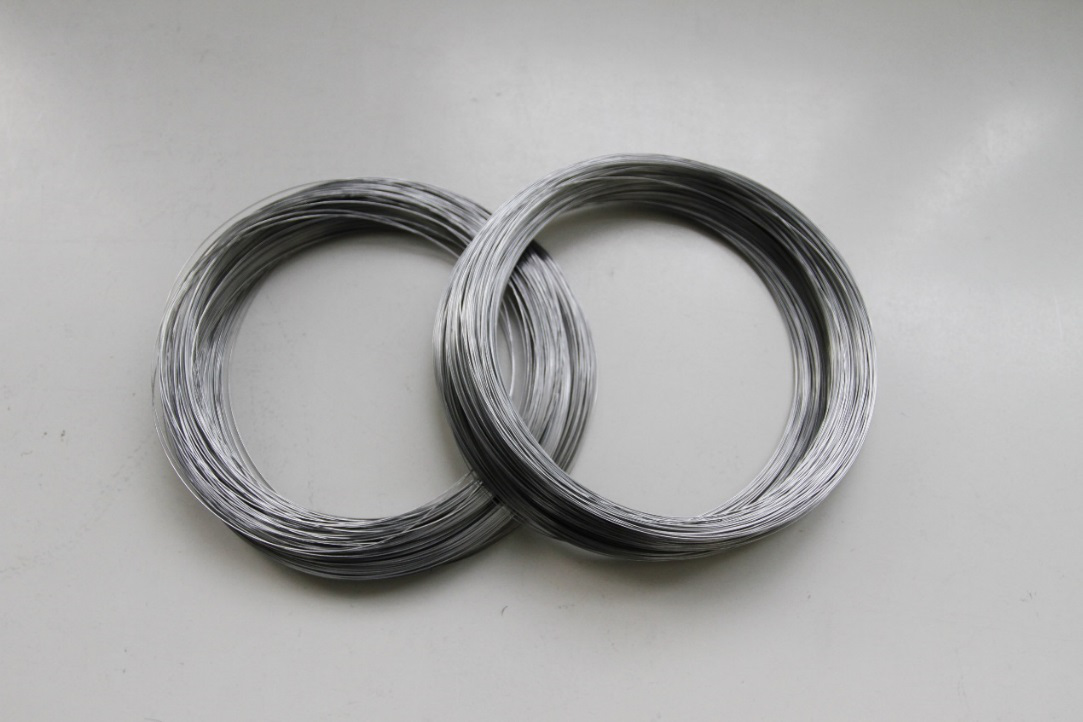
Rhenium is a critical component of modern high‑temperature superalloys used in jet engine parts, consuming roughly 70% of global rhenium output. It also plays a pivotal role in platinum–rhenium catalysts that enable the production of lead‑free, high‑octane gasoline.
In nickel‑based superalloys, adding rhenium dramatically improves creep resistance. Second‑generation alloys typically contain 3% rhenium and have powered aircraft such as the F‑15 and F‑16, while third‑generation monocrystalline variants use 6% rhenium and are found in the F‑22 and F‑35 engines. Notable examples include CMSX‑4 (second generation) and CMSX‑10 (third generation), which serve in industrial gas turbines like the GE 7FA. However, excessive rhenium can induce unwanted TCP‑like microstructures; to mitigate this, newer 4th and 5th‑generation alloys substitute ruthenium. Examples are EPM‑102 (3% Ru) and TMS‑162 (6% Ru), alongside TMS‑138 and TMS‑174.
Rhenium also transforms tungsten into a more ductile, machinable material, especially at low temperatures. With increasing rhenium content, high‑temperature stability improves, reaching a solubility ceiling of about 27% Re. Tungsten–rhenium alloys are essential for X‑ray sources, delivering superior vibration resistance, ductility, and electrical resistivity. They also serve as high‑temperature thermocouples capable of measuring up to 2,200 °C.
High‑temperature stability, low vapor pressure, and exceptional wear resistance make rhenium alloys ideal for self‑cleaning electrical contacts. During discharge, oxidation occurs, but the unstable Re₂O₇ sublimes at roughly 360 °C, preventing permanent corrosion.
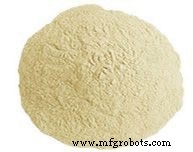
Rhenium’s high melting point and low vapor pressure mirror those of tantalum and tungsten. Consequently, rhenium filaments exhibit remarkable stability even in oxygen‑rich environments. They are widely deployed in mass spectrometers, ion gauges, and photographic lamps, ensuring reliable performance under demanding conditions.
Metal
- Rhenium in Modern Industry: From Aerospace to Catalysts and Electronics
- Rhenium: Key Applications and Industrial Uses of the Rare Refractory Metal
- Niobium in Everyday Life: From Aerospace Alloys to Electronics
- Rhenium Metal Powder: Applications in Superalloys, Catalysts, and Precision Instruments
- Niobium: Applications in Industry, Jewelry, Gravimetry, and Orthopedic Implants
- Understanding Milling Machines: Functions, Applications, and Benefits
- Sheet Metal Explained: Uses, Materials, and Fabrication Techniques
- PVA Filament: Definition, Applications, and Benefits for 3D Printing
- A286 Alloy Explained: Composition, Applications, and Benefits
- Silicon Aluminum Bronze: Composition, Advantages, and Industrial Applications