



8 Fascinating Facts About Zirconium
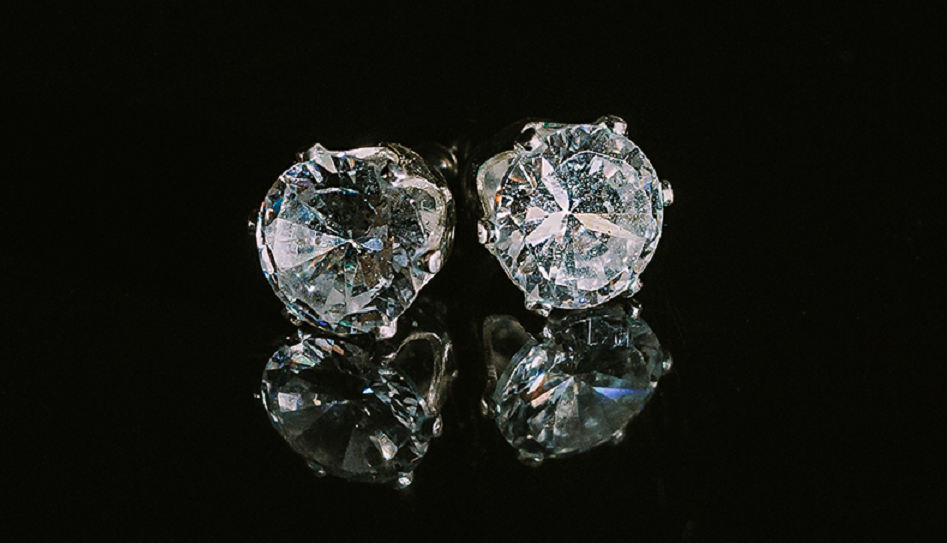
8 Fascinating Facts About Zirconium
Zirconium (Zr, atomic number 40) is a silvery‑white transition metal with a density of 6.49 g/cm³, a melting point of 1,852 °C and a boiling point of 4,377 °C. Due to its complex extraction process, it is often termed a "rare metal". Below, we share eight expert‑backed insights that go beyond the basic facts.
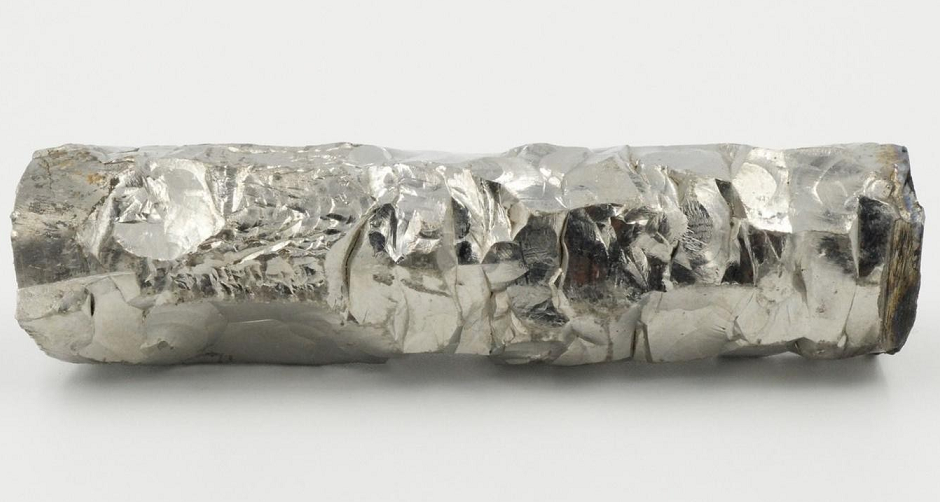
Facts About Zirconium
1. How Zirconium Was Discovered
German chemist Martin Heinrich Klaproth first identified zirconium in 1789 by heating zircon with sodium hydroxide and observing the formation of a new oxide, which he named zirconium oxide. The element itself was isolated for the first time in 1824 by Swedish chemist Jöns Jacob Berzelius.
2. The Origin of the Name
The name zirconium derives from the mineral zircon, whose name comes from the Persian word for "golden" (zargun). This reflects the bright, often gold‑tinted hues seen in many zircon gemstones.
3. Global Reserves
According to the 2015 US Geological Survey (USGS), global zirconium reserves total 78 million tonnes, with proven resources exceeding 60 million tonnes. Australia and South Africa hold 65.38 % and 17.95 % of these reserves, respectively. Other notable deposits exist in India, Mozambique, and Indonesia.
4. Global Production
USGS data show that 2014 saw a global production of 1.54 million tonnes of zirconium ore, a slight decline of 30 000 tonnes from the previous year. Australia leads worldwide with 900 000 tonnes (58.44 % of global output), followed by South Africa (170 000 tonnes, 11.03 %) and China (140 000 tonnes, 9.74 %).
5. Major Consumption Markets
China and Europe dominate zirconium demand, accounting for the majority of global consumption. China alone drives 52 % of worldwide demand, driven by rapid nuclear‑energy development and a booming ceramic industry where zirconium silicate is a key raw material.
6. Historical and Modern Uses
Historically prized as a gemstone, zirconium’s vibrant colors have made it a decorative element in jewelry. Today, it is essential in high‑performance ceramics, cutting tools, and critical components for military and nuclear applications.
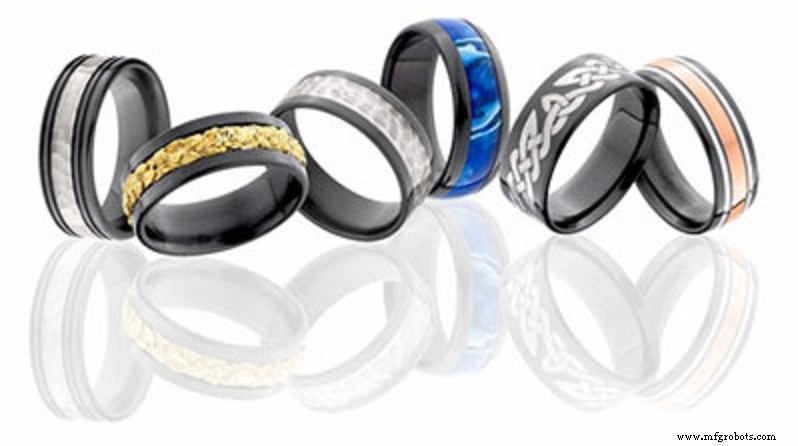
Zirconium Applications
7. Health Impact
When used in its inert ceramic form, zirconium poses no health risks. Zirconia ceramics are widely employed in dental implants, cookware, and high‑quality jewelry without adverse effects.
8. Distinguishing Zircon from Diamond
While zircon and diamond can look similar, they differ in chemical properties. Diamond is lipophilic; a ballpoint pen will leave a clear mark on its surface. Zircon, lacking this property, resists such marking. This simple test helps prevent fraud in the gemstone market.
Conclusion
We hope this overview deepens your understanding of zirconium’s scientific significance and real‑world applications. For more in‑depth information on refractory metals, visit Advanced Refractory Metals (ARM), a leading supplier of high‑quality tungsten, molybdenum, tantalum, rhenium, titanium, and zirconium worldwide.
Metal
- 6 Key Insights Into Vanadium
- Tantalum: 5 Fascinating Facts About the High‑Temperature Refractory Metal
- Molybdenum Uncovered: 7 Key Facts About the Versatile Refractory Metal
- 6 Fascinating Facts About Nickel – History, Properties, and Global Impact
- 7 Fascinating Insights About Chromium: From Discovery to Health Impacts
- 7 Expert-Backed Facts About Hafnium: Discovery, Properties, and Modern Applications
- 7 Fascinating Facts About Tungsten: From Discovery to Modern Applications
- Rhenium: 6 Fascinating Facts About This Rare, High‑Melting Metal
- Titanium Unveiled: 10 Key Facts About the World’s Most Versatile Metal
- 5 Fascinating Facts About Tungsten: Naming, Melting Point, and More