



Six Surprising Applications of Zirconium
Six Surprising Applications of Zirconium
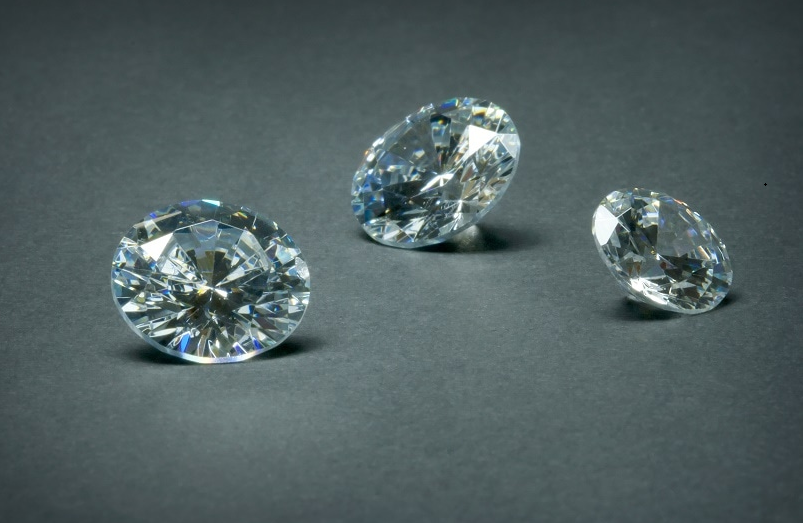
While many people associate zirconium with jewelry, this versatile metal plays a pivotal role across several high‑technology industries. From petrochemicals to nuclear reactors, its unique combination of corrosion resistance, mechanical strength, and chemical stability makes it indispensable in modern engineering.
1. Corrosion‑Resistant Material in the Petrochemical Sector
Zirconium’s ability to form a stable oxide film at room temperature gives it outstanding resistance to aggressive chemicals. This property, coupled with good mechanical strength and excellent heat transfer, makes zirconium alloys a top choice for pipelines, heat exchangers, and storage vessels in petrochemical plants—often at a fraction of the cost of nickel or stainless steel.
2. Core Material in Nuclear Technology
Because zirconium absorbs only a minimal amount of thermal neutrons, it is ideal for cladding uranium fuel rods, reactor vessel components, and the hulls of nuclear‑powered vessels. This low neutron absorption cross‑section is why nuclear‑grade zirconium is considered a strategic metal for national security and energy independence.
3. Industrial‑Grade Zirconium for Heavy‑Duty Applications
Industrial‑grade zirconium is engineered to resist chemical attack from acids, bases, and salt solutions. Its alloys are used to fabricate chemical‑process equipment, military hardware, high‑temperature piping, and components in the electronics industry, as well as getters in vacuum systems and light bulbs.
4. Aerospace and Defense – Firearm‑Grade Zirconium
Firearm‑grade zirconium finds use in lightweight, high‑strength additives for gunpowder formulations, as a deoxidizer in metallurgy, and in specialty fireworks. Its low density and high strength make it attractive for advanced munitions and propulsion systems.
5. Zirconium Dioxide (ZrO₂) – A Versatile Ceramic
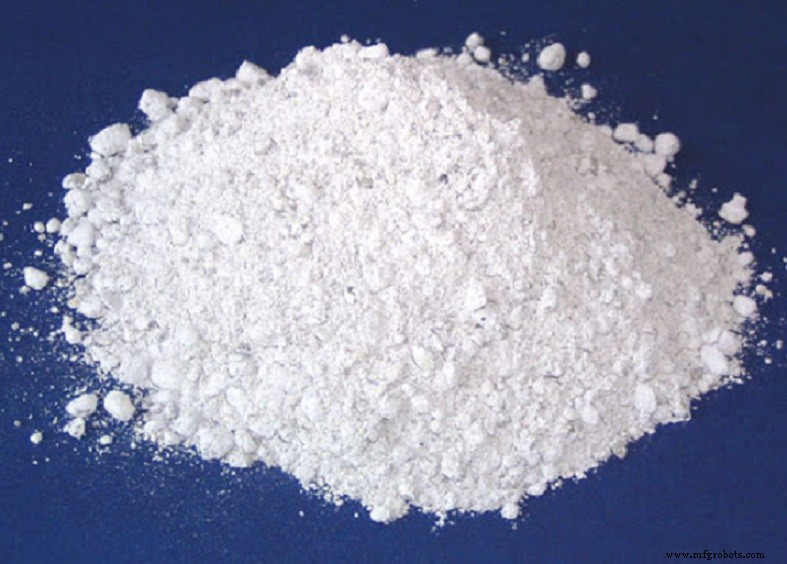
Zirconia is a non‑toxic, white solid that remains stable in alkali and acidic environments. It is integral to precision ceramics, high‑performance electrical components, optical lenses, glass additives, ceramic pigments, enamel, artificial gems, refractory materials, and polishing media.
6. Zirconium Silicate – The Secret Behind Brilliant Glazes
Beyond its structural uses, zirconium silicate is an inexpensive, high‑quality glaze opacifier that enhances color and texture in architectural ceramics, tableware, and electric porcelain. It also supports advanced refractory bricks, precision casting, emulsified glass, and other high‑tech manufacturing processes.
Where the Demand for Zirconium Is Growing
Europe and China dominate global consumption, with China accounting for 52% of worldwide demand. As China’s nuclear power fleet expands and its ceramic industry continues to boom, the need for both nuclear‑grade zirconium and zirconium silicate is rising sharply. Notably, only 3%–4% of zirconium ore is converted into metal or sponge, underscoring the importance of efficient refining processes.
Conclusion
Understanding zirconium’s diverse roles highlights its importance across modern manufacturing and energy sectors. For deeper insights into zirconium and other refractory metals, visit Advanced Refractory Metals (ARM)—a leading supplier of tungsten, molybdenum, tantalum, rhenium, titanium, and zirconium from Lake Forest, California.
Metal
- Unexpected Applications of Copper‑Tungsten Alloy
- 4 Surprising Ways Vanadium Powers Modern Industry
- 7 Unexpected Ways Cobalt Shapes Modern Technology
- 5 Unexpected Ways Titanium Rods Are Used in Modern Industries
- 4 Advanced Rhenium Alloys and Their Key Applications
- Refractory Metals: Properties, History, and Modern Applications
- Round Steel Bars: Key Properties, Applications, and Selection Guide
- Discover 6 Hidden Asset Tag Uses That Boost Efficiency
- Discover Fishbowl: 14 Key Features & Integrations Explained
- Understanding Stamping: The Key Process Behind Coke Can Production