



Top 10 High‑Melting‑Point Metals: From Tungsten to Titanium
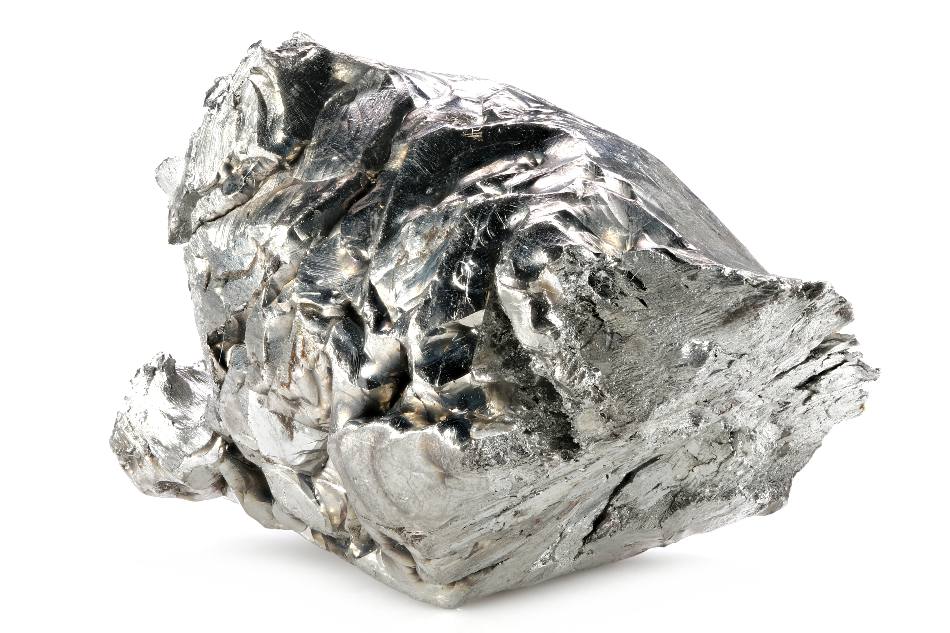
High‑Melting‑Point Metals
While mercury is the only metal liquid at room temperature, the metals that can withstand extreme heat are far less well known. Below is an authoritative list of the ten metals with the highest melting points, including key data, applications, and industry relevance.
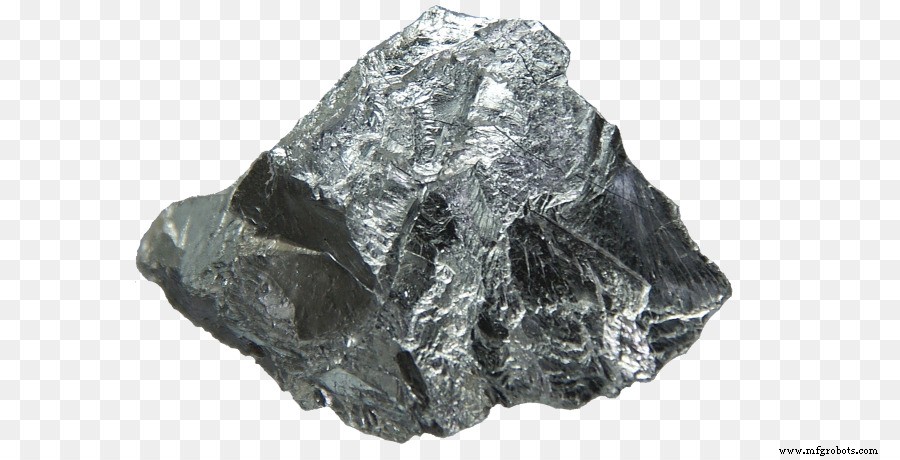
Metal with High Melting Point
1. Tungsten (W) – 3420 °C
Tungsten boasts the highest melting point of any metal, 3420 °C. Its exceptional high‑temperature strength and resistance to molten alkali metals and steam make it indispensable in metallurgy, chemical processing, electronics, and aerospace. At temperatures above 1000 °C, oxide volatilization and liquid‑phase oxides can appear, yet tungsten’s performance remains unparalleled.
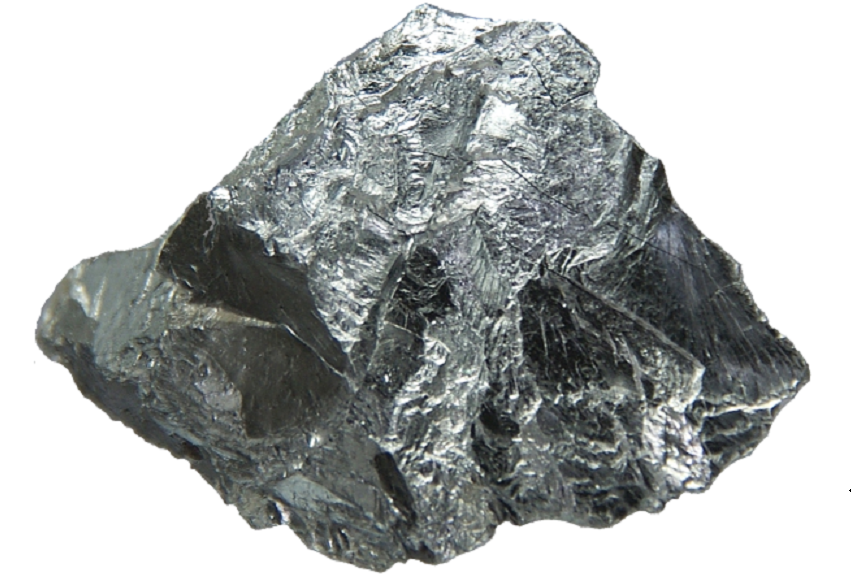
Tungsten
2. Rhenium (Re) – 3180 °C
Rhenium follows closely with a melting point of 3180 °C and the highest boiling point of any metal. It can be sintered into >90 % dense solids under vacuum or hydrogen, and its annealed form is highly ductile. Rhenium resists alkali, sulfuric, hydrochloric, dilute nitric, and aqua regia at standard conditions. Global production (≈45 t/yr) supplies superalloys for jet engines (≈70 %) and platinum‑rhenium catalysts for lead‑free gasoline.
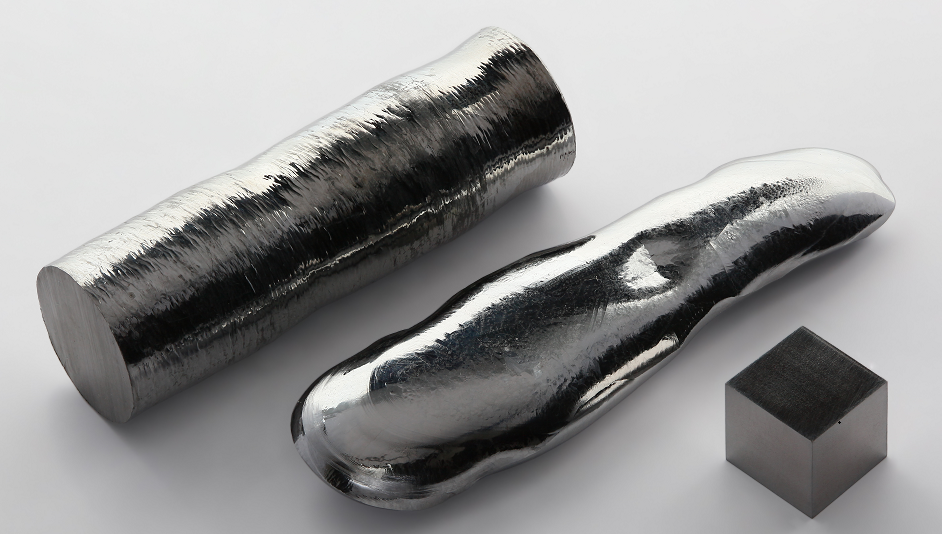
Rhenium
3. Tantalum (Ta) – 2966 °C
Tantalum melts at 2966 °C and can be drawn into thin foil thanks to its moderate hardness and ductility. Its negligible thermal expansion and extreme corrosion resistance (in HCl, HNO₃, aqua regia) make it ideal for high‑temperature vessels, electrodes, rectifiers, and electrolytic capacitors. About half of global tantalum goes into capacitors, and it is critical for medical sutures and military electronics.
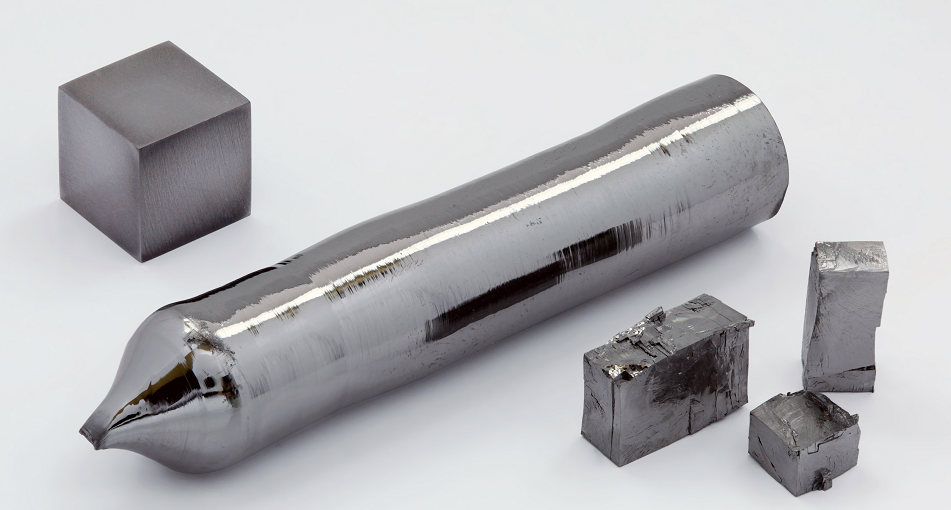
Tantalum
4. Molybdenum (Mo) – 2620 °C
With a 2620 °C melting point, molybdenum is a staple in steel alloys, enhancing corrosion resistance and wear resistance. In stainless steel, it improves durability; in cast iron, it boosts strength. An 18 % Mo nickel‑based superalloy combines high temperature tolerance, low density, and low thermal expansion. Molybdenum also serves in electron tubes and semiconductor devices.
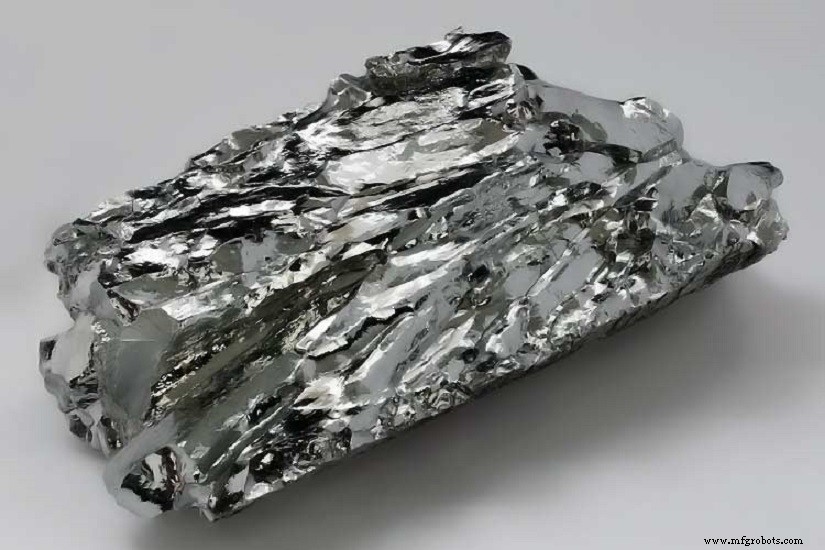
Molybdenum
5. Niobium (Nb) – 2468 °C
Niobium melts at 2468 °C. This silver‑grey metal is chemically inert at room temperature, reacts only with HF, and resists inorganic acids and bases. With a crustal abundance of 20 ppm, niobium’s superconducting, corrosion‑resistant, and wear‑resistant properties make it vital for steel alloys, superconductors, aerospace, and nuclear applications.
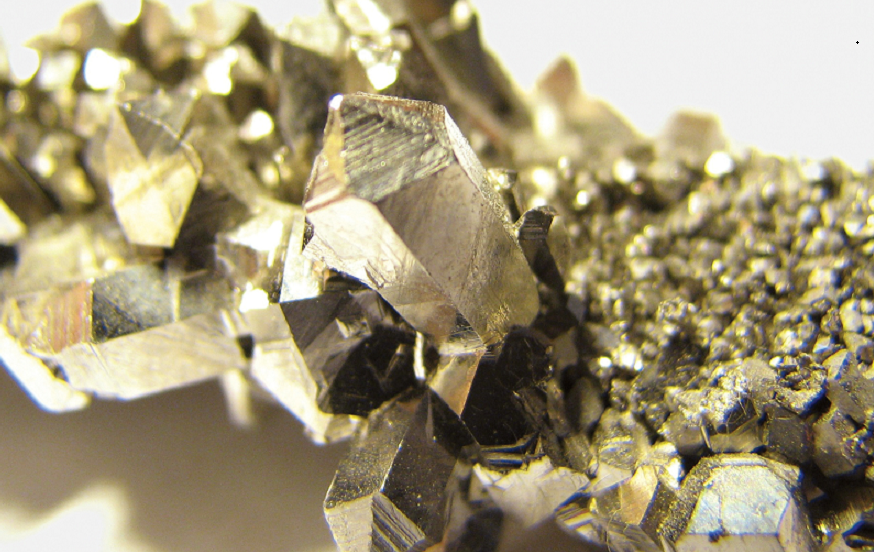
Niobium
6. Iridium (Ir) – 2454 °C
Iridium, discovered in 1803, melts at 2454 °C and is the most corrosion‑resistant metal known. It is chemically stable against acids and dissolves only slowly in hot aqua regia. Iridium’s high‑temperature resilience makes it a valued alloying element in aircraft engine parts and precision instruments.
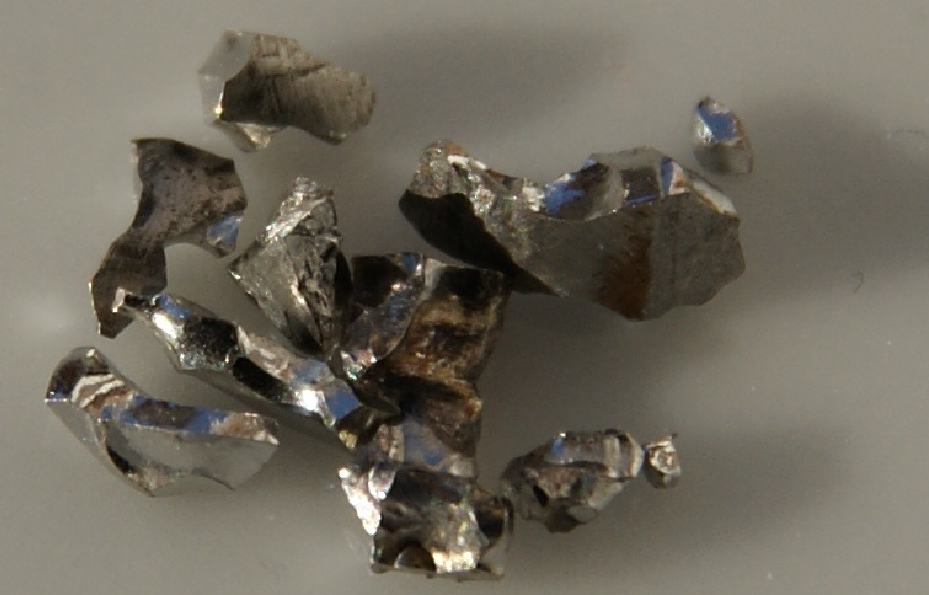
Iridium
7. Hafnium (Hf) – 2227 °C
Hafnium melts at 2227 °C. It remains inert to dilute HCl, H₂SO₄, and alkali solutions but dissolves in HF and aqua regia. Hafnium’s primary role is in nuclear reactor control rods, where its high‑temperature stability and corrosion resistance are essential.
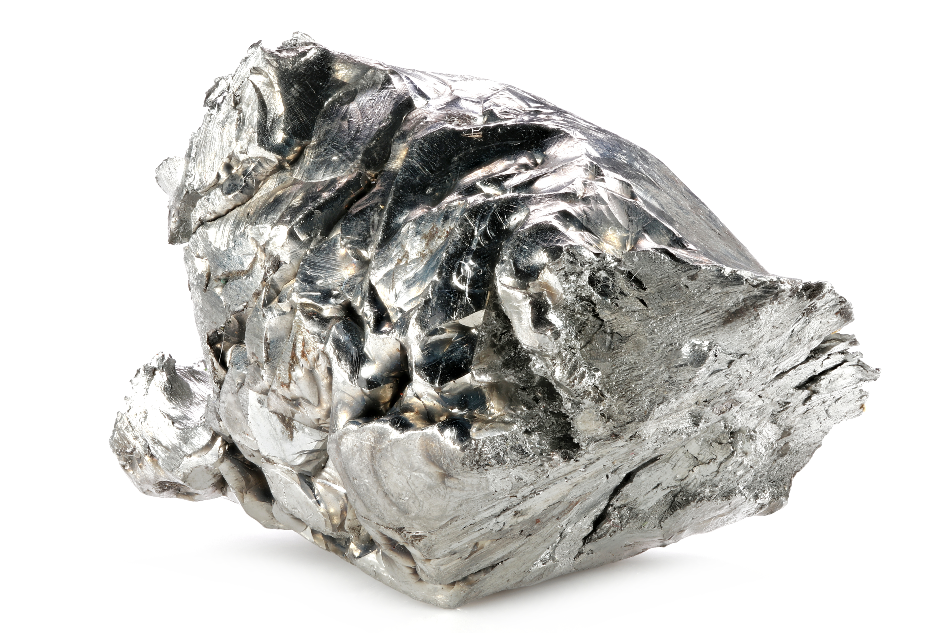
Hafnium
8. Rhodium (Rh) – 1960 °C
Rhodium, melting at 1960 °C, is highly reflective, virtually non‑oxidizing, and insoluble in most acids. Its exceptional catalytic activity and high‑temperature oxidation resistance make it indispensable in automotive exhaust catalysts, chemical processing, aerospace, and electronics—often called the “industrial vitamin.”
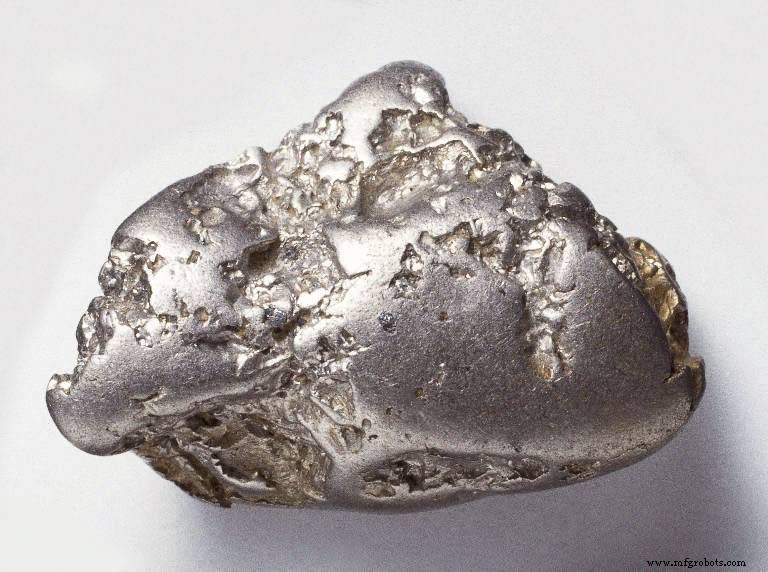
Rhodium
9. Chromium (Cr) – 1907 °C
Chromium melts at 1907 °C. While pure chromium is ductile, impurities render it hard and brittle. It resists corrosion, oxidizes slowly even at high temperatures, and its plating protects other metals. Chromium’s main ore is chromite; it is widely used in metallurgy, refractory bricks, and precision engineering.
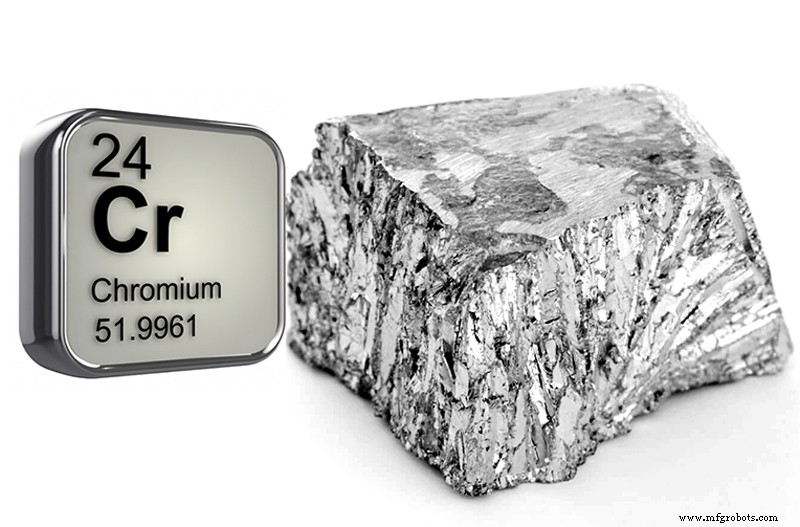
Chromium
10. Titanium (Ti) – 1668 °C
Titanium melts at 1668 °C. Known for low density and high strength, it is resistant to wet chlorine but reacts violently with dry chlorine below 0 °C. Titanium alloys (with Fe, Al, V, Mo) underpin aerospace, military, automotive, medical, and consumer electronics industries.
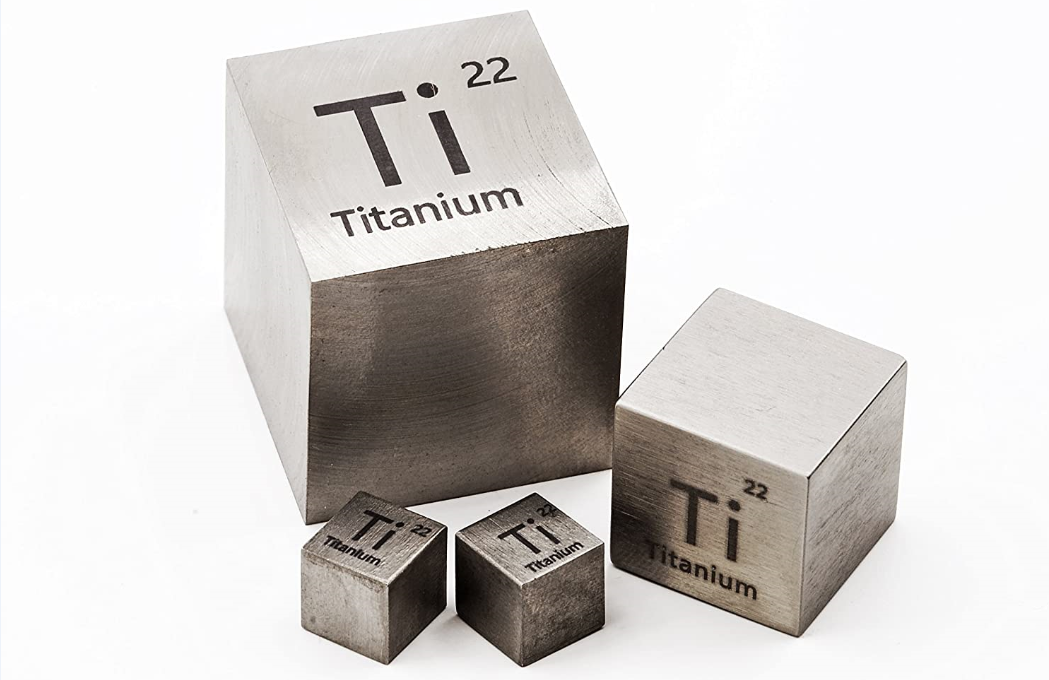
Titanium
Conclusion
Understanding these high‑melting‑point metals equips engineers and researchers with the knowledge to select the right material for extreme‑temperature applications. For deeper insights or to source premium refractory metals for your R&D and production, visit Advanced Refractory Metals.
Metal
- Top 5 Strategic Metals Shaping Modern Defense & Aerospace
- Top 10 Highest-Melting Materials in the World
- Which Elements Boast the Highest Melting Points?
- Expert Interview: Armin Wiedenegger of voestalpine High Performance Metals on Metal 3D Printing Innovation
- Metal Melting Points: A Practical Guide for Fabricators and Welders
- Origins of Metals: From Stars to Industry
- Top Heat‑Conducting Metals & Their Applications – A Practical Guide
- Exploring Powdered Metallurgy: Advanced Fabrication Techniques & Benefits
- From Furnace to Mold: The Precision of Metal Casting
- 5 Essential Industries That Depend on the Metal Market