



Future of Healthcare: Overcoming Challenges in Internet of Medical Things (IoMT)
 Source : Behance
Part 2 of the series examines the obstacles that must be overcome to fully unlock the promise of Internet of Medical Things (IoMT).
In this installment, Sergiy Seletskyi, IoT practice leader and senior solution architect at Intellias, explains how surmounting these challenges will drive widespread IoMT adoption.
Remote patient monitoring is poised to become a cornerstone of future care, yet information‑security experts are raising alarms over data ownership, storage, and privacy. In an era marked by high‑profile breaches and evolving cyber threats, healthcare providers must embed robust data protection and uncompromising security standards at the heart of their services.
Another barrier is the steep deployment cost of RPM devices and solutions, which currently limits access for many patients and providers. Moreover, the inevitable need for an on‑scene physician in emergencies—where every minute can be life‑saving—remains a critical concern.
In the face of these hurdles, the industry continues to seek predictive medicine alternatives, with Elon Musk’s SpaceX Pioneer platform emerging as a notable driver.
Will microchips become a healthcare feature of the future?
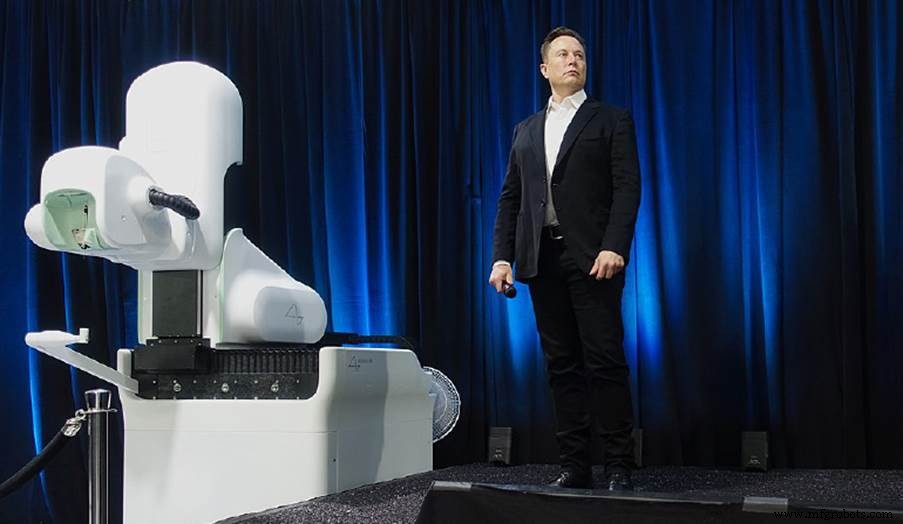
During a live‑streamed demonstration in August 2020, Elon Musk unveiled an update to Neuralink technology—a coin‑sized implant with multiple microelectrodes that records neural activity and wirelessly transmits data. These chips could treat conditions such as blindness, deafness, paralysis, hormonal and mental disorders, and even help prevent cardiovascular disease.
Neuralink has received FDA Breakthrough Devices Program approval, and the first human trials are slated to begin soon. Successful trials would herald a new era in medical technology.
The magic combo
We believe that combining IoT‑enabled remote monitoring with implantable devices offers the most promising path forward.
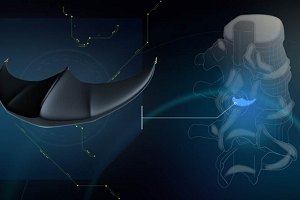
Consider a device implanted in a patient’s cervical spine that contains a miniature first‑aid capsule. In an emergency, medical teams could remotely trigger the capsule to release a symptom‑relief agent, easing pain until emergency responders arrive.
Unlike external wearables that can be misplaced, an implant provides continuous, reliable support and a sense of security for patients.
Where is the future of healthcare headed?

The digital transformation of healthcare is inevitable and will reshape medical institutions worldwide. Hospitals will increasingly evolve into service‑oriented enterprises, offering value‑added solutions beyond traditional care.
Continuous remote monitoring and support will become core services, enabling accessible, timely, and personalized care tailored to each patient’s unique health profile.
While a fountain of youth remains elusive, we can anticipate a healthier future powered by superior remote care that extends human longevity.
The author is Sergiy Seletskyi, IoT practice leader and senior solution architect at Intellias.
About the author
Sergiy helps companies select the right IoT technology stack to scale business and future‑proof operations. A strategic thinker with deep expertise across innovative IT solutions for diverse business domains.
Internet of Things Technology
- HIMSS19: Shaping the Future of Connected Healthcare
- Data for All: How Democratizing Patient Data Shapes the Future of Healthcare
- How IoT Is Slashing Healthcare Costs and Boosting Outcomes
- 5G’s Top Five Challenges: Navigating Spectrum, Cost, Coverage, Devices, and Security
- Safety First: How Europeans View Future Connected Cars
- The Future of Healthcare: How IoT Is Reshaping Patient Care (Part 1)
- 8 IoT Trends Forecasted for 2017: Expert Insights
- Gartner Forecasts AI’s Next Chapter: Opportunities, Risks, and Adoption Hurdles
- Fortifying Smart Devices for the Future of Work
- DataOps: Revolutionizing Healthcare Automation for Cost Efficiency and Revenue Growth