



Data for All: How Democratizing Patient Data Shapes the Future of Healthcare
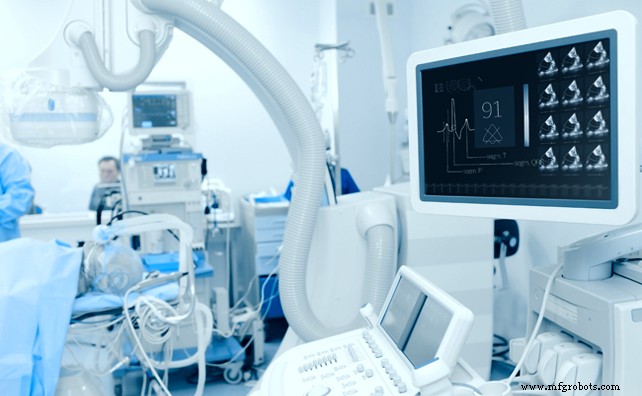
In recent years, the healthcare ecosystem has evolved dramatically, driven by three overarching megatrends. These forces are reshaping how care is delivered, how costs are managed, and how value is created across the industry.
- Major technology firms—Apple, Google, Amazon, Microsoft—are investing heavily in health‑tech solutions and platforms that integrate seamlessly with clinical workflows.
- The convergence of payer and provider roles aims to increase cost transparency, exemplified by the acquisition of CVS by Aetna.
- Leading medical‑device manufacturers are expanding their influence through strategic acquisitions, boosting their footprint in provider spend.
While each trend offers tangible benefits, the underlying objective for many players is clear: to capture, own, and monetize patient data. In an Internet‑of‑Things‑enabled world, data has become the new currency. Possessing comprehensive data sets allows companies to refine insights with AI, unlock new services, and generate incremental revenue. The critical question is whether—and how—this data will be shared with clinicians and researchers, and whether the resulting silos will hinder the development of truly transformative care solutions.
Enter Medical Device Data Systems (MDDS). These platforms democratize data collected from medical devices across hospitals and health systems, creating a secure, interoperable exchange that fuels innovation. By aggregating heterogeneous device streams into a unified, machine‑readable format, MDDS unlocks data liquidity for providers, enabling evidence‑based decision‑making and personalized care.
What makes an MDDS effective? It is built on three pillars:
- Hardware and embedded software that capture raw device data, translate it into a standard format, and expose it via secure gateways.
- Analytics and clinical applications that turn raw data into actionable insights, from real‑time monitoring dashboards to predictive risk models.
- An app marketplace—akin to the Apple App Store or Google Play—that allows third‑party developers to build and deploy bespoke tools on top of the MDDS platform.
Crucially, MDDS must adhere to FDA cybersecurity guidance and HIPAA standards to safeguard patient privacy while maintaining data integrity. By providing a robust, secure foundation, MDDS vendors become the catalysts for next‑generation healthcare innovation.
However, the effectiveness of any MDDS is constrained by the connectivity framework it employs. Many existing solutions rely on legacy, message‑based protocols that fail to meet the Industrial Internet Consortium’s (IIC) next‑generation communication criteria. The IIC recommends the Data Distribution Service (DDS) standard for medical‑grade IoT applications. RTI Connext DDS offers a highly reliable, real‑time, interoperable platform that eliminates the limitations of message‑based architectures, allowing vendors to design for today’s needs and tomorrow’s scalability without rebuilding core infrastructure.
Innovators in the MDDS space are already leveraging RTI Connext DDS to capture and analyze real‑time patient data securely and efficiently. By adopting this medical‑grade connectivity layer, they can accelerate time‑to‑market and focus resources on creating differentiated value rather than wrestling with underlying transport protocols.
One leading example is DocBox, which is among the first to deliver an MDDS solution that grants providers near‑real‑time access to patient data. You can explore how DocBox is reshaping care by visiting their case study.
Looking ahead, the next decade promises unprecedented transformation in healthcare. Big tech, medical device vendors, payers, and providers will race to harness data for improved outcomes, reduced costs, and streamlined operations. MDDS developers—especially those adopting DDS—are uniquely positioned to foster a data‑centric culture, offering a unified foundation for both operational excellence and clinical analytics.
RTI is committed to partnering with healthcare R&D teams to accelerate MDDS development. Our feature‑rich, off‑the‑shelf DDS‑based connectivity framework can reduce time‑to‑market and lower development costs. For more information, visit our Healthcare/Medical Solutions page or contact David Niewolny directly at David.Niewolny@rti.com.
Internet of Things Technology
- Unlocking AI Value with Unlabeled Data: How Hologram Stress‑Tests Autonomous Perception
- Why Data Is the Cornerstone of Reliability Engineering
- 3 Keys to Successful Industrial IoT Deployment
- Data Integration in 2024 and Beyond: Trends Shaping the Future
- 8 IoT Trends Forecasted for 2017: Expert Insights
- The Future of Data Centers: Trends, Tech, and Sustainability
- Revolutionizing Industry: The Future of Connected Devices
- DataOps: Streamlining Data Pipelines for Faster, Reliable Analytics
- DataOps: Revolutionizing Healthcare Automation for Cost Efficiency and Revenue Growth
- Hyperautomation Outlook 2022: Trends, Opportunities, and Strategic Insights