



3 Keys to Successful Industrial IoT Deployment
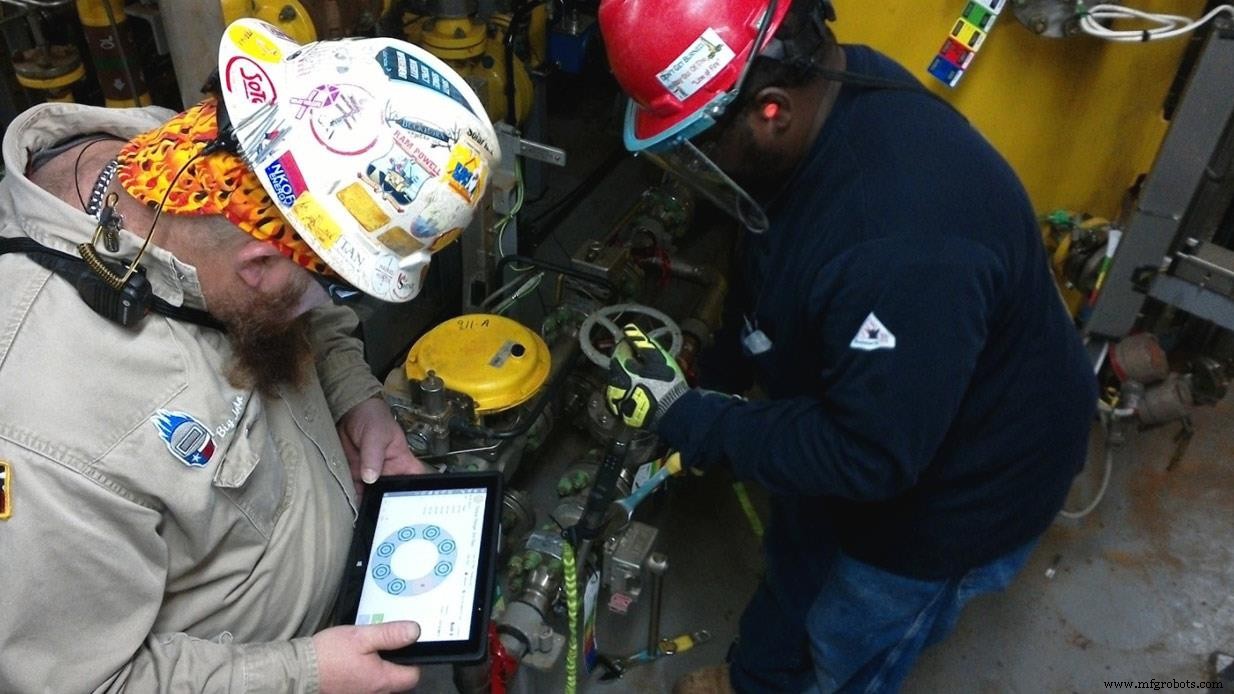
Aging infrastructure, tightening margins, and heightened regulatory scrutiny compel industrial facilities to adopt smarter maintenance solutions. Digitalization—through data analytics, predictive maintenance, AI, and connected infrastructure—offers a powerful path forward. Yet, the first steps can be the most challenging, and a single misstep can erode confidence in future initiatives. This article outlines three proven strategies that ensure a smooth, high‑impact transition to the Industrial Internet of Things (IIoT).
The Strategic Value of the IIoT
The World Economic Forum estimates that digital transformation in the oil and gas sector could unlock roughly $1.6 trillion in value for the industry, its customers, and society at large. Accordingly, digital investment is projected to exceed $30 billion annually over the next decade, positioning the sector at the heart of the Fourth Industrial Revolution—a wave of technology reshaping how we live and work.
At the core of this revolution is the Internet of Things, a network of interconnected devices embedded in everyday objects. The global IoT market is poised to generate between $4 and $11 trillion in value over the next five years, with the industrial segment contributing a substantial share.
Oil and gas assets generate vast quantities of data, yet traditional, siloed processes and paper‑based workflows lock this information away, denying real‑time visibility and accountability. The resulting lack of transparency leads to accidents, rework, and unplanned downtime—costs that total tens of billions of dollars annually. The IIoT breaks down these barriers, unlocking data that fuels smarter maintenance, enhanced safety, and significant cost savings.
Barriers to Digital Adoption in Industry
Digital tools have existed since the 1980s, yet many sectors remain behind on the path to full digitalization. Slow adoption often stems from outdated regulatory frameworks, inconsistent data standards, limited data sharing across the supply chain, and a conservative, cost‑focused mindset among senior leaders. These entrenched models trap data in isolated silos, preventing it from feeding into enterprise management systems. As seasoned leaders retire, digital solutions become even more critical to bridge experience gaps and modernize operations.
Three Pillars for Implementing IIoT Solutions
Think of the IIoT as the bridge between the physical and digital realms. Field personnel can use smartphones, tablets, or AR glasses to view real‑time data right before their eyes. For adoption to be widespread, the system must be intuitive enough that a non‑technical employee can operate it without extensive training. The following three pillars—data structure, connectivity, and an ecosystem of plant‑to‑person interfaces—create that foundation.
1. Robust Data Structure
Begin with a unified data taxonomy. Every asset, sensor, and piece of equipment should have a consistent, descriptive name. Store data in machine‑readable formats (e.g., JSON, XML) that can be easily ingested by analytics platforms. Avoid keeping valuable information locked in hard‑copy or legacy databases.
2. Reliable Connectivity
Consistent, high‑quality network coverage is essential. Whether via Wi‑Fi, LTE, or cellular‑enabled IoT modules, ensure that every node can transmit data reliably. If intermittent connectivity is unavoidable, design the system to operate offline and synchronize data once the connection is restored.
3. Seamless Plant‑to‑Person Interfaces
Develop a unified dashboard that aggregates field data, delivers actionable insights, and supports decision‑making. Pair this with mobile devices—smartphones, tablets, or AR wearables—so that operators can access information anytime, anywhere. When data is instantly visible, operational efficiency improves, communication between owners and contractors strengthens, and safety and environmental risks diminish.
By digitizing data and making it readily accessible, organizations unlock benefits that ripple throughout the company—from reduced downtime and lower maintenance costs to enhanced safety and regulatory compliance.
Industrial plants can no longer afford to ignore the advantages of data‑driven decision‑making. The move toward digitalization is inevitable, and accelerating that journey delivers measurable gains in efficiency, safety, and profitability.
About the Author
Matthew Kleiman is the co‑founder and CEO of Cumulus Digital Systems. He can be reached via email at cumulus@meetkickstand.com.
Internet of Things Technology
- Ensuring Continuous Health of Your IIoT Systems
- A Practical Taxonomy for Industrial Internet of Things (IIoT) Systems
- Implementing HTTP Connectivity for IIoT Edge Devices: A Raspberry Pi DHT-12 Tutorial
- Unlocking AI Value with Unlabeled Data: How Hologram Stress‑Tests Autonomous Perception
- How to Seamlessly Integrate the Industrial IoT: A Practical Guide
- Why Data Is the Cornerstone of Reliability Engineering
- How IIoT & Data Analytics Transform EHS: Boosting Safety, Efficiency, and Savings
- Future Outlook: Advancing Industrial IoT for Production Excellence
- DataOps: Streamlining Data Pipelines for Faster, Reliable Analytics
- DataOps: Revolutionizing Healthcare Automation for Cost Efficiency and Revenue Growth