



How to Seamlessly Integrate the Industrial IoT: A Practical Guide
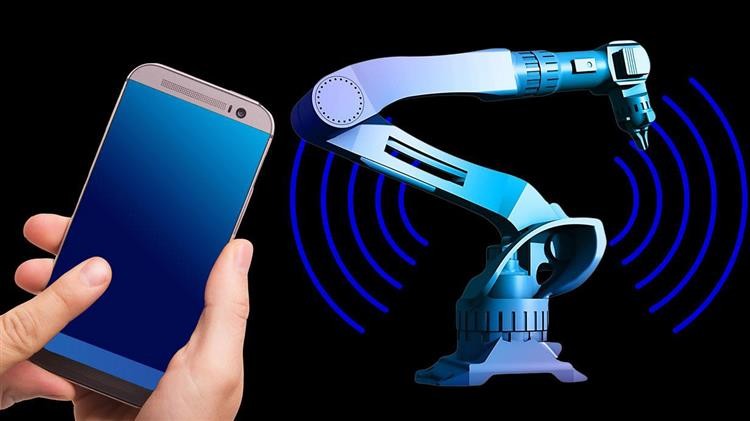
As industrial Internet of Things (IIoT) solutions become increasingly affordable, organizations must adopt a clear strategy to merge new sensor data with legacy systems. The IIoT can unify on‑floor operations with enterprise analytics, enabling real‑time insights while mitigating technical and economic barriers.
Successful deployment hinges on adopting modern infrastructure that promotes cross‑functional collaboration—both within the company and with external partners.
New Systems to Support IIoT Integration
Processes, digital devices, and business systems all play a role in delivering IIoT value. From establishing a foundation for future technology investments to easing the integration of current controls, automation, and data‑processing tools, a structured approach can smooth the transition and yield tangible results. When selecting systems for IIoT implementation, evaluate the following criteria:
Assess the Current Baseline
Examine assets, processes, data collection, analytics, and real‑time visibility to gauge the organization’s capacity to predict and detect issues and opportunities. Identify existing sensors, cameras, and instrumentation that can unlock data‑tracking potential.
Elevate Capabilities with Advanced Analytics
Leverage machine learning, big data, and automation to build a system that reliably captures, analyzes, and transmits data. Visual dashboards empower operations managers to make informed decisions quickly.
Harness Open Integration Standards
Deploy open integration and communication protocols to connect disparate data sources, enabling meaningful value extraction for decision‑making. Software that aggregates high‑fidelity data from across the enterprise—available anywhere, anytime—drives consistent performance.
Centralize Data in the Cloud
Move data to a cloud platform that unifies multiple legacy systems. This centralization supports advanced analytics and allows expertise to be applied remotely from the plant floor.
Visualize Insights with Cloud‑Based Tools
Implement cloud applications such as advanced process control (APC), condition‑based monitoring (CBM), enterprise data historians, mobility solutions, and planning & scheduling tools. These instruments facilitate real‑time decision‑making and long‑term trend analysis for precise adjustments.
Redefine Cross‑Functional Collaboration
With new controls and automation, define how functional groups—operations, maintenance, reliability, supply chain—can collaborate effectively. Shared data streams unlock synergies across the organization.
Partner with Specialized Experts
Stay agile amid technological evolution by collaborating with third‑party specialists who understand industrial automation, process data, and control systems. Traditional IT vendors may lack the depth required for niche integration challenges.
Anticipate and Overcome Integration Challenges
Integrating new technology into existing environments presents distinct hurdles. Legacy equipment often lacks built‑in connectivity, but stand‑alone sensors and cameras can retrofit monitoring capabilities. Secure gateways capture and transmit data for analysis, driving business improvements.
A key question is how to attach sensors cost‑effectively to legacy machines. By measuring vibration, temperature, air quality, and other parameters, teams can maintain quality environments. Cameras further enhance monitoring, allowing real‑time remote inspections via a unified platform.
Adopt a Three‑Layer Architecture
Companies increasingly rely on IIoT architecture as the backbone of their platform strategy. A typical three‑layer model includes:
- Bottom layer: hardware and gateways providing interconnectivity.
- Middle layer: edge control and data pre‑processing.
- Top layer: applications, analytics, and services that drive decision‑making.
These layers must communicate seamlessly, requiring operating‑system‑level software platforms to bind them together.
Next Steps
As more devices connect, engineers have new opportunities to innovate with controls, automation, and instrumentation across sectors. By following these practical steps—assessing assets, identifying benefits, and easing integration—enterprises can unlock the full potential of the IIoT.
About the Author
Joseph Zulick is a manager, writer and editor for MRO Electric and Supply.
Internet of Things Technology
- Ensuring Continuous Health of Your IIoT Systems
- Leveraging Blockchain for Trusted Industrial IoT Data: Case Study & Design Guidance (Part 2)
- Blockchain in Industrial IoT: Foundations and Applications – Part 1
- A Practical Taxonomy for Industrial Internet of Things (IIoT) Systems
- Optimizing IIoT Connectivity with the Industrial Internet Reference Architecture
- How Industrial IoT Sensors Drive Modern Factory Efficiency
- Digitalisation: Laying the Foundations for Your IIoT Journey
- Elevate Continuous Improvement with Industrial IoT: A Guide to Smarter, Safer Manufacturing
- 3 Keys to Successful Industrial IoT Deployment
- Future Outlook: Advancing Industrial IoT for Production Excellence