



Revolutionizing MRO with Voice-Enabled IIoT
Industrial Internet of Things (IIoT) empowers organizations to monitor and reduce maintenance costs by providing real‑time, actionable inspection data. The continuous data flow not only enhances worker safety but also guarantees data integrity across global operations.
According to Bob Bova, President and CEO of AccuSpeechMobile, the MRO sector—encompassing maintenance, repair, and overhaul—has emerged as one of the fastest-growing fields for IIoT adoption. MRO activities keep equipment running, spanning aviation, aerospace, logistics, automotive, energy, and field asset management.
Today, mobile applications are becoming the backbone of field and facility operations. They improve service delivery, asset management, trend analysis, and, most critically, worker safety.
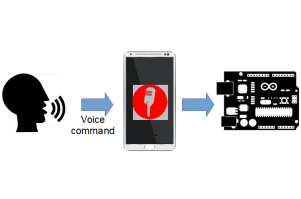
Introducing a voice interface transforms these mobile solutions into hands‑free, efficient MRO workflows. By speaking commands rather than navigating touchscreens, technicians can maintain focus on their tools, boosting productivity and aligning with lean manufacturing principles. Voice guidance also standardizes data entry, ensuring consistent, high‑quality records for every user.

Because voice prompts enforce a strict sequence of steps, they eliminate errors and improve compliance. Combined with IIoT data, managers gain powerful trend analytics, eliminate workarounds, and optimize workforce performance.
Voice‑Enabled MRO: A Catalyst for Safety and Productivity
Standardized procedures delivered through voice reduce the cognitive load on technicians, making inspections easier to follow and boosting job satisfaction. Higher engagement naturally leads to lower turnover.
Most mobile data‑collection apps run on smartphones, tablets, or rugged laptops. With a voice client installed locally, technicians can record data anywhere—even offline—without sacrificing real‑time sync once connectivity is restored.
Integrating voice automation with IIoT yields instant feedback: error alerts, out‑of‑range warnings, pre‑loaded context from previous screens, and clear guidance for reporting anomalies. This synergy streamlines operations and ensures inspection teams respond instantly to changing conditions.
Because voice‑guided procedures update instantly, field teams always follow the latest maintenance protocols, guaranteeing consistency across the organization.
Author: Robert Bova, President and CEO of AccuSpeechMobile
About the Author:
Robert Bova has led AccuSpeechMobile for 12 years, driving its evolution into the fastest‑growing mobile‑workforce voice productivity company.
Internet of Things Technology
- Ensuring Continuous Health of Your IIoT Systems
- Industrial IoT Communication: 6 Proven Infrastructure Protocols
- Efficient IIoT Sensor‑to‑Cloud Gateways with RTI Connext DDS Routing Service
- 7 Key Reasons Industrial IoT Projects Fail — Expert Guide to Success
- Enhancing IIoT Edge Development with WebSockets: Secure, Real‑Time Connectivity
- IIoT Edge Development with Modbus: Building a Secure Sensor Data Flow on Raspberry Pi
- 3 Keys to Successful Industrial IoT Deployment
- The Definitive Guide to the Top 10 Industrial IoT Platforms (2024)
- IIoT Trends & Challenges: Data Overload, Manufacturing Shifts, and the Skills Gap
- Industrial Internet of Things (IIoT): Definition, Scope, and Industrial Impact