



Google Loon: The Rise and Fall of the High‑Altitude Internet Balloon Network
Source: VanillaPlus, IoT Now & The Evolving Enterprise – Editorial Director Jeremy Cowan
When the announcement came on Friday that Google‑owned Loon would wind down, many were disappointed. The project, launched under Alphabet’s Other Bets division, aimed to deliver internet to underserved regions using stratospheric balloons. Though the news was expected by some insiders, the reality of the effort remains a valuable case study in high‑altitude connectivity.
Alastair Westgarth, Loon’s CEO, explained in a recent blog post that the team had focused on “the hardest problem of all” – connecting the next billion users in remote or costly areas. He noted that while partnerships formed along the way, “we haven’t found a way to get the costs low enough to build a long‑term, sustainable business.” His announcement made clear that the company was ending operations.
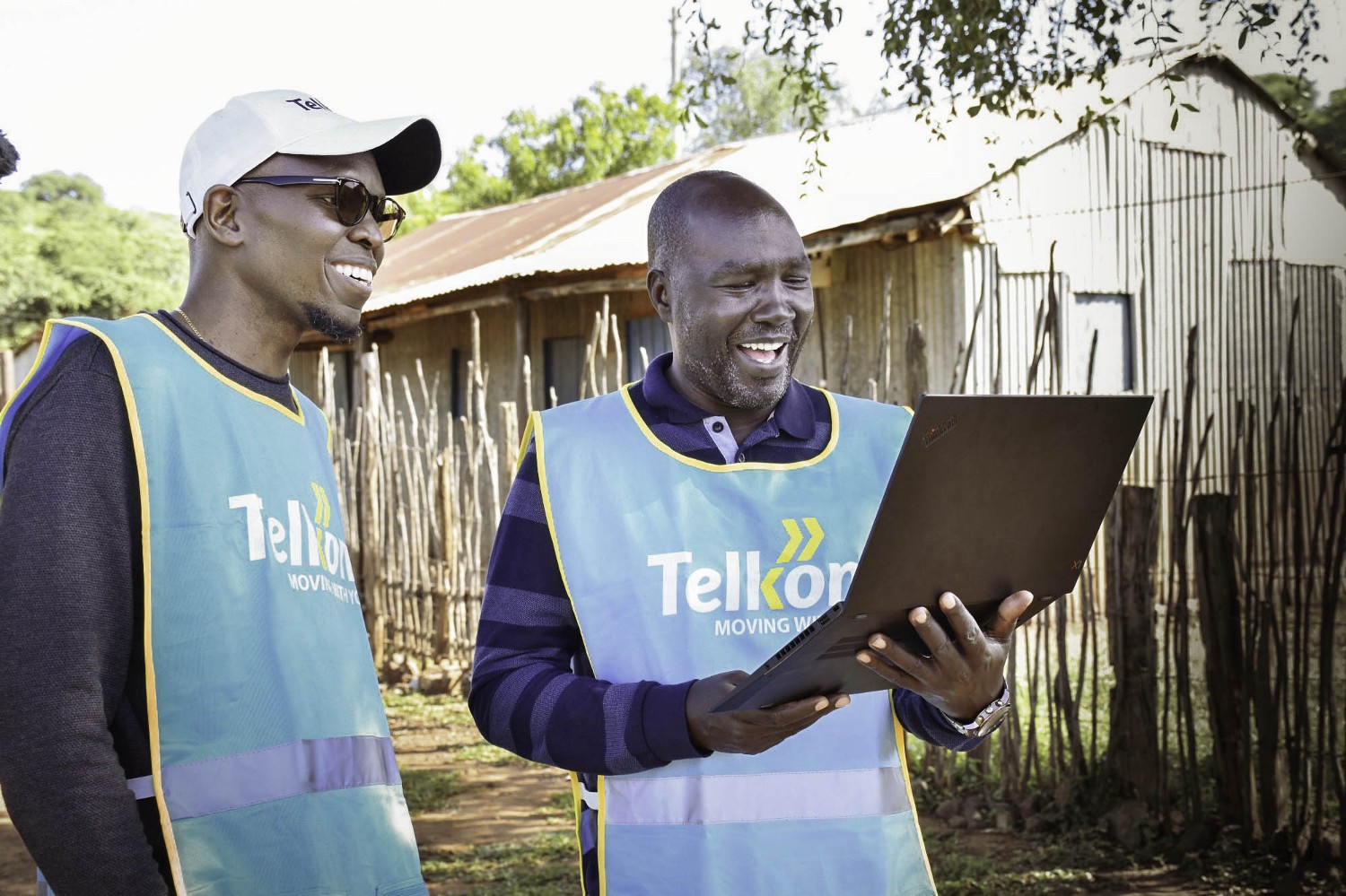
Initially tested in Nevada in 2013, Loon’s first commercial pilot ran in Kenya in 2020 for Telkom Kenya. In that trial, 35 balloons delivered 4G LTE coverage over 50,000 km², achieving a downlink of 18.9 Mbps, uplink of 4.74 Mbps, and 19 ms latency. Earlier flights over Peru and Puerto Rico helped restore connectivity after natural disasters, showcasing the technology’s potential in crisis response.
Key Takeaways
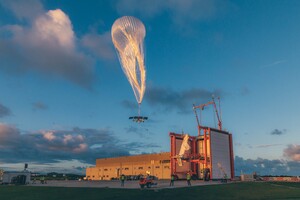
1. Technical feasibility is not the bottleneck. Loon proved that a network of interlinked balloons could provide stable internet. The company even engineered a new crane system that reduced launch crew from 16 to 4 people and allowed launches independent of weather conditions.
2. Economic sustainability proved elusive. Alphabet’s Other Bets division posted an operating loss of over $1 billion against $187 million revenue in 2020, while Google’s core business generated $12.6 billion operating income on $46 billion revenue. Without a breakthrough in monetization, the balloon venture was financially untenable.
3. Diversification attempts fell short. Loon explored high‑resolution earth observation, weather modelling, and partnered with the HAPS Alliance (Airbus, AT&T, Intelsat, Nokia, and others). Despite these avenues, the revenue streams never reached a critical mass.
In contrast, other high‑altitude initiatives—such as Deutsche Telekom’s remotely‑piloted aircraft achieving 90‑mile LTE coverage—demonstrate that the concept remains viable when paired with a strong business model and existing infrastructure.
While Loon’s ambitious mission to “connect the next billion users” has concluded, the lessons learned will inform future ventures in high‑altitude connectivity and emergency communications. The dream of ubiquitous internet remains, but it will likely require new partners, models, and technology integration.
As the industry continues to evolve, the viability of stratospheric platforms will hinge on aligning cutting‑edge tech with realistic revenue streams. Google’s Loon experience underscores the importance of financial sustainability in addition to engineering prowess.
Author: Jeremy Cowan, Editorial Director, VanillaPlus, IoT Now & The Evolving Enterprise
Internet of Things Technology
- Autonomous Vehicle Tech Meetup Highlights: Insights from Richard Bishop
- Amber: From Ancient Resin to Scientific Treasure – History, Properties, and Modern Uses
- The Guillotine: History, Design, and Legacy
- The Evolution and Outlook of Low‑Power Wide‑Area Networks (LPWAN)
- Tracing the True Evolution of the Internet of Things
- Why Voice‑Based Evacuation Systems Outperform Traditional Alarms – Insights from Siemens Experts
- IoT: Why Projects Fail and How to Prevent It
- Why SQL Remains the Benchmark for Reliable Data Integration
- Home Office Mastery: Judgment Day – Part 3
- Augmented Reality: The IoT Solution That Empowers People