



IoT: Why Projects Fail and How to Prevent It

When Jeremy Cowan, IoT Now editorial director and publisher, was asked to moderate and open the 7th IoT Forum CE on June 5th in Vienna, Austria, the brief for his presentation was “Industrial IoT: Where are we going?” By the time he had finished drafting it, the focus had shifted to “Where are we going wrong?” Below is his paper.
“In many talks you hear success stories, but I want to do something different. Today I want to discuss IoT failures—why they happen and how we can avoid or reduce them.”
How NOT to Fail in IoT

Why focus on failure?
My interest began with a conversation a few months ago with Nick Earle, president and CEO of Eseye, a company that connects 1,400 customers—from start‑ups to Amazon Web Services—to Costa’s internet‑connected coffee machines. Earle told me that the most common issue is a device that isn’t designed for its business case and an incorrect connectivity plan that hides the real reason for failure.
What Is Going Wrong?
The most frequent problem, according to Eseye, is that the device is not tailored to the business case. Companies often choose the wrong connectivity plan, which prevents them from diagnosing connectivity failures and can derail the entire solution, testing, or deployment.
I then sought data to support this claim. Cisco’s 2017 survey revealed strikingly high failure rates:
- 60% of IoT projects fail at the Proof‑of‑Concept stage
- Only 26% of companies report successful IoT initiatives
- 35% of IT executives say their IoT is a complete success
- Only 15% of business executives agree with the IT assessment
These numbers demonstrate that planning, testing, and deployment often fall short of expectations, even when projects look promising on paper.
Partner for Expertise
Given the complexity of IoT, Cisco recommends leveraging a partner ecosystem. Enterprise users often underestimate project complexity at the outset. The right partnership can provide the skills you lack in‑house.
Planning failures frequently stem from leadership gaps. Executive buy‑in to both IT and business goals is essential. Ask: Does your IoT project have senior leadership actively engaged?
Even within an ecosystem, a misalignment can exist between IT and business teams. Verify that your business case and technical objectives are fully aligned.
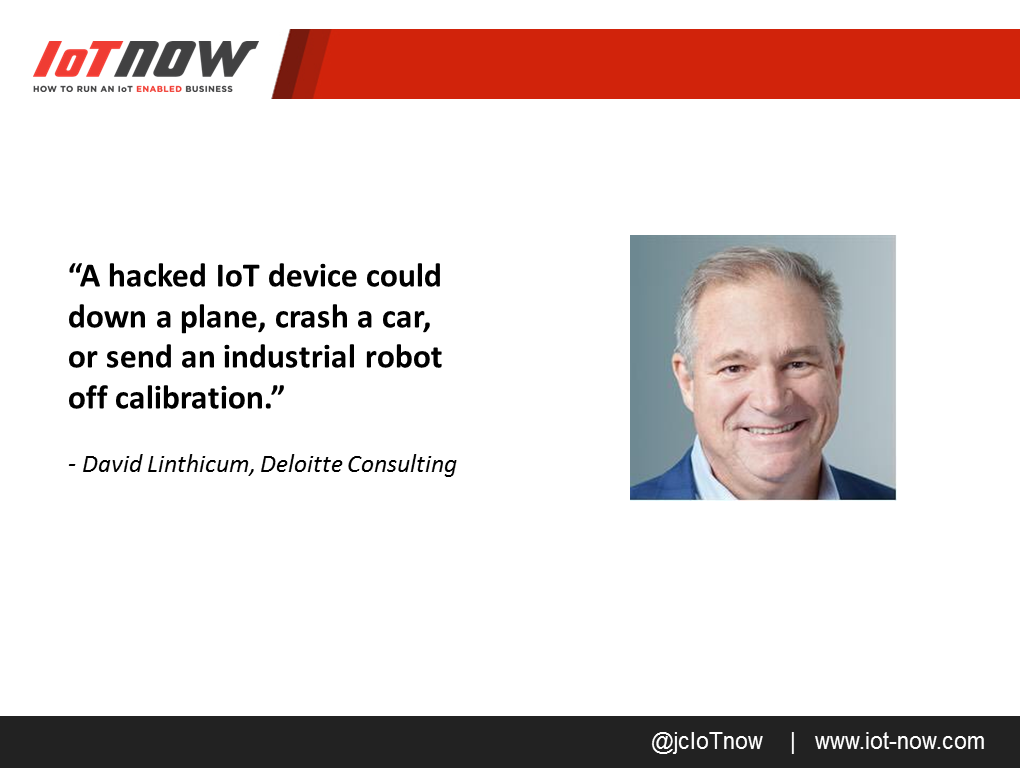
David Linthicum, chief cloud strategy officer at Deloitte Consulting, warned in TechBeacon that IoT failure risks can become national news events rather than simple bugs. Here are key points to reduce that risk.

Strategy First, Not Technology
Rami Avidan, CEO of T‑Systems (Deutsche Telekom’s enterprise unit), told us that early IoT initiatives were driven by technology, not business strategy. Today, success requires starting with a clear strategy, aligning the board on value, and recognizing that IoT is a long‑term investment. Think big, start small.
Security
Security should be embedded from day one, not added as an afterthought. All data must be encrypted. History shows that weak security can let attackers exploit devices—turning a small breach into a major incident. Treat every IoT device as a potential entry point for malicious actors.
APIs
Linthicum emphasizes that APIs must be monitored 24/7 to prevent misuse. Design APIs carefully, provide clear sample code, and document device access and control. Maintain an audit trail so you can prove compliance if a misuse occurs.
Testing
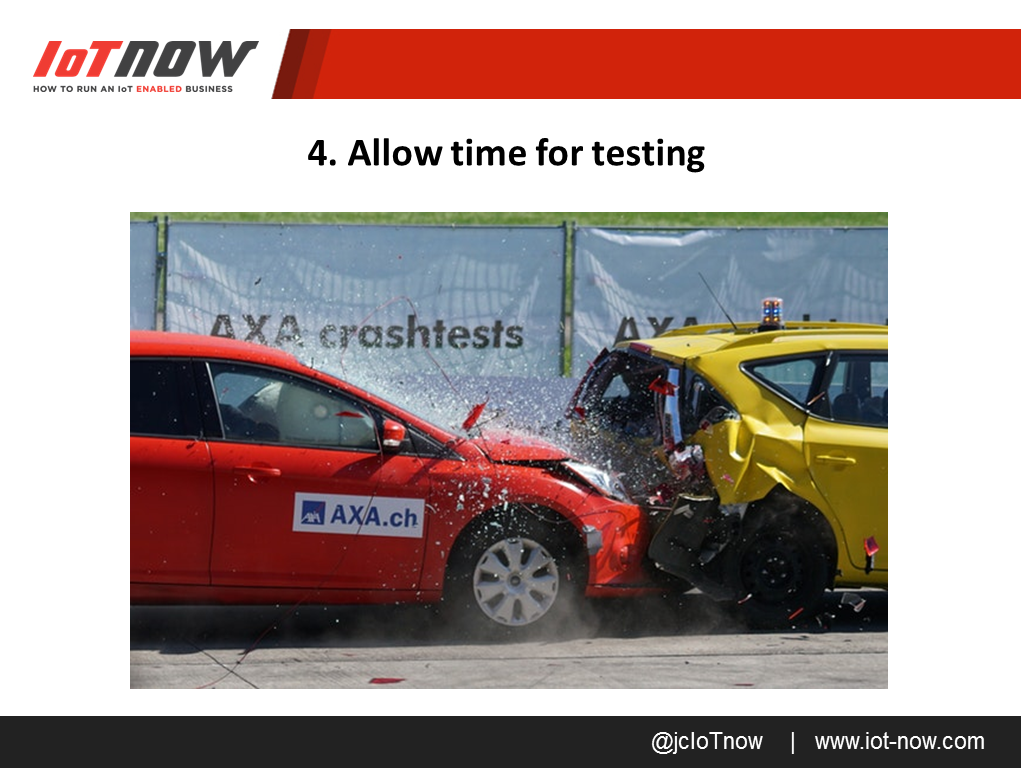
Rigorous testing is critical. IoT systems are sensitive to performance issues that can halt production lines and cost thousands per hour. Insufficient testing, poor engineering, or flawed API design often cause these problems.
Time is limited, so this brief overview highlights the most common mistakes and how to avoid them. At IoT Now we wish you many successful projects.
Author: Jeremy Cowan, editorial director of IoT Now
Internet of Things Technology
- FDM 3D Printing Today: Current State, Milestones, and Future Outlook
- Assessing Your Industrial IoT Readiness: Are You Ready for Industry 4.0 Success?
- 7 Proven IoT Business Models That Drive Growth & Profit
- Can Security and Privacy Hinder the IoT Revolution?
- The Rise of IoT: Why Security Must Be Built In from Day One
- Tracing the True Evolution of the Internet of Things
- How IoT and Cloud Computing Shape the Future of Enterprise Data
- Avoid Baseline Pitfalls: Start 2021 Strong with Accurate Metrics
- Applications of Linear Actuators: Key Industries and Use Cases
- Chatbot Evolution: From ELIZA to Modern AI Solutions