



Avoid Baseline Pitfalls: Start 2021 Strong with Accurate Metrics

Whether 2021 becomes a year of growth or a setback hinges on how you view your performance. A realistic baseline and data‑driven strategy can transform uncertainty into opportunity.
Adopting a lean framework—Plan, Do, Check, Act—ensures continuous improvement. As Joseph Zulick, manager at MRO Electric and Supply, explains, the first step is a clear plan. Execute that plan, measure progress, then refine the milestones based on real data.
Baselines set the stage for success. Without a solid starting point, you cannot gauge whether you are advancing or regressing. A single data point offers little insight; a trend line, anchored to a reliable baseline, reveals the direction of your trajectory and helps forecast future performance.
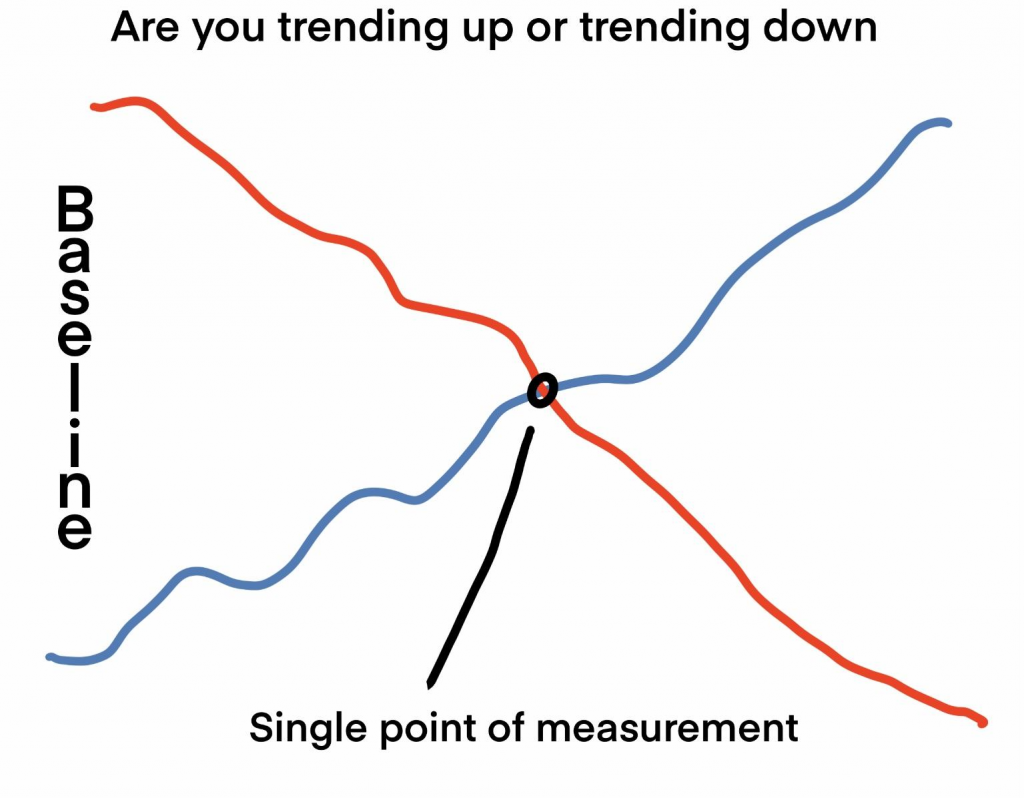
Many organizations set arbitrary goals because they never analyze their true starting position—akin to a first weigh‑in on a diet. Even if the number is unfavorable, it’s essential to accept it as the foundation for improvement. The same principle applies when companies first calculate Overall Equipment Effectiveness (OEE). Misconceptions about productivity can mislead decisions, but the key is to move forward without self‑blame.
Recognizing the baseline is the first milestone. Celebrate the initial measurement, then commit to transparent, company‑wide metrics rather than siloed departmental targets. When goals are department‑centric, incentives can unintentionally increase overall costs, as seen when purchasing bonuses for offshoring tooling result in higher rework expenses.
Effective metrics drive real value. A department’s efficiency may be overlooked if it isn’t a bottleneck, yet hidden downtime can reduce OEE by 80% if machines run only 20% of scheduled time. Incorporating technology upgrades—such as moving from a manual hand drill to an automated high‑speed system—can dramatically improve output, turning a 4‑per‑minute operation into hundreds per minute.
Technology investments must align with operational needs. A $85,000 truck for pizza delivery is a misallocation of resources; similarly, a high‑end computer for basic email tasks over‑spends on capability. Assess your specific requirements and choose equipment that delivers true efficiency gains.
Just as a runner must track accurate distance, businesses must measure real performance. Without feedback, you’ll continue chasing unrealistic targets, unaware of competitive gaps. New manufacturers often bid low on jobs due to incomplete cost data, risking loss of profit margins.
Informed companies use comprehensive baseline data—payment terms, overhead, machine utilization—to forecast outcomes accurately. For example, a 120‑day payment cycle may require pricing adjustments to avoid cash flow strain.

Relying on partial data, such as only counting machine uptime, distorts OEE calculations and misguides decision‑making. A comprehensive view includes all operating hours, maintenance, and downtime to capture true productivity.
Adding shifts amplifies manufacturing value. A single shift at 80% efficiency is outperformed by a three‑shift operation at 70%—the latter spreads fixed machine costs over more units, reducing per‑item expense.
Fixed costs, like a $10,000 monthly machine lease, remain constant, but variable usage determines overall profitability. The OEE metric should serve as the foundation for setting realistic, company‑wide goals and guiding operational improvements.
Start measuring immediately. Whether numbers improve or decline, each metric provides insight into your direction and the speed of progress. Embrace data, refine goals, and build a resilient strategy for 2021.
Author: Joseph Zulick, Manager at MRO Electric and Supply.
Internet of Things Technology
- Assessing Your Industrial IoT Readiness: Are You Ready for Industry 4.0 Success?
- Top 5 IoT Conferences to Attend in 2016
- How IoT Hackers Drive Innovation—and Keep Us Safe
- IoT: Why Projects Fail and How to Prevent It
- How IoT and Cloud Computing Shape the Future of Enterprise Data
- Is Security the Biggest Threat to Industrial IoT?
- xCube IoT Landscape Report 2021: Trends, Insights & Strategic Outlook
- IoT Devices: Unveiling the Hidden Threats of Modern Connectivity
- How Proper Care Turns Abandoned Baby Squirrels into Happy Pets
- How the 2021 Infrastructure Bill Strengthens IoT Connectivity