



Why Mobile Fingerprint Sensors Are Here to Stay: Evolution, Not Revolution

Across the globe, mobile devices are integral to daily life. With over 10 billion units in use, users unlock their phones an average of 58 times a day—and 65 % of Americans tap their screens up to 160 times daily. According to Ted Hansson, SVP Business Line Mobile at Fingerprints, the time spent unlocking via PINs and passwords amounts to roughly 41 minutes per week—about four months of our lives.
This reliance on frequent unlocking underscores why biometrics have become a cornerstone of the mobile experience. Today, more than 80 % of smartphones ship with some form of biometric sensor, offering users unparalleled convenience, robust functionality, and heightened security.
Capacitive fingerprint sensors have long been a staple in mobile technology, striking an optimal balance between performance, cost, and reliability. Yet maturity does not mean stagnation. We project that annual shipments of capacitive fingerprint sensors could reach roughly 800 million units by 2026, and the technology continues to evolve, finding new use cases and driving fresh design trends.
Authentication, authentication, authentication
As cellular networks evolve and gigabit speeds become standard, smartphones have expanded beyond voice and messaging to become indispensable for banking, shopping, and everyday transactions. With heightened focus on hygiene, consumers increasingly rely on their devices for secure, contactless interactions. Global mobile commerce is projected to grow 70 % between 2020 and 2025, amplifying the need for robust authentication.
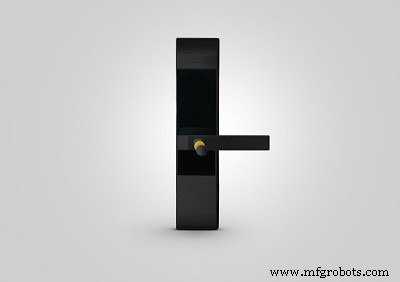
With smartphones now handling ever more sensitive data—including banking credentials and identity documents—the adoption of biometric authentication has surged, delivering strong security while preserving frictionless user flows.
Traditional passwords and PINs remain vulnerable to compromise, whereas modern capacitive fingerprint solutions offer significantly higher resistance to spoofing.
The security benefits of biometrics in payment scenarios are well established. Juniper Research forecasts that biometric authentication will secure over $3 trillion (€2.47 trillion) worth of mobile transactions by 2025. EMVCo, the global payments standards body, recently expanded its scope to include biometric sensors for mobile payment authentication, and our latest slim sensor became the first of its kind to receive approval. This endorsement underscores biometrics’ pivotal role as a trusted enabler of mobile payments.
UX is king
Despite advances in facial and iris recognition and the rise of under‑display sensors, user experience remains paramount. Traditional capacitive fingerprint sensors continue to capture and expand market share, thanks to their proven reliability and seamless usability.
A clear example is Google’s recent decision to reintroduce fingerprint sensors after a brief period of exclusively facial recognition devices. For OEMs and developers, ensuring convenience and a frictionless UX remains critical, and capacitive fingerprint technology—refined over years of innovation—offers the best balance of usability and security.
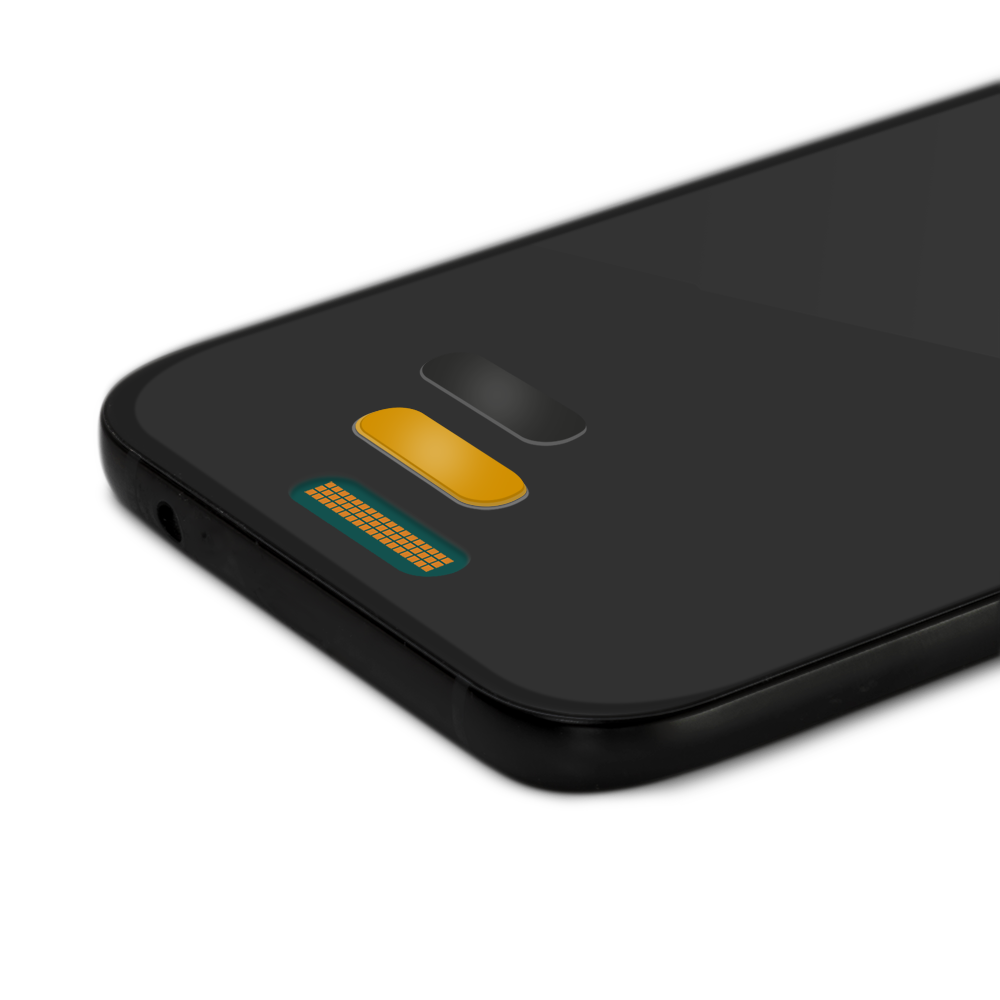
While other authentication methods will undoubtedly evolve, the reliability and robust security of capacitive fingerprint technology ensure its continued relevance. It also serves as a cornerstone of multimodal authentication, complementing other biometrics or traditional methods to elevate both UX and security.
For instance, combining fingerprint data with facial and iris recognition allows users to unlock devices even while wearing gloves or masks, providing a flexible, multi‑modal authentication experience.
Biometrics can serve as a robust second factor alongside PINs and passwords, delivering two‑factor authentication without increasing complexity.
Evolution not revolution
Although user experience and security remain the primary drivers, design enhancements continue to evolve.
Sensors have migrated from the front to the back, then to the sides, now integrating additional functions such as scrolling and volume control.
The ongoing refinement of this mature, trusted technology is embraced by consumers and OEMs, enabling cutting‑edge design trends like foldable and bezel‑less smartphones.
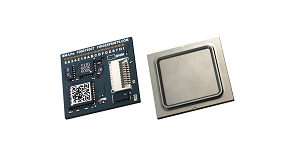
Xiaomi has recently introduced devices featuring a curved fingerprint sensor, also integrated into its first foldable‑screen phone. The sensor’s curved design allows for seamless integration into the device’s mid‑frame and doubles as a power button.

Fingerprints has driven much of the innovation that brought biometrics to the mass market; our solutions now appear in more than 500 device models across nine of the top ten OEM brands.
Fingerprint recognition entered the smartphone arena less than a decade ago, and its presence in the mobile ecosystem will persist for many years.
As the mobile industry evolves, this technology remains valuable, delivering reliability, a premium experience, and unmatched security while enabling new design innovations.
Predicting the distant future is always challenging, but we can confidently assert that the traditional fingerprint sensor has a long and vibrant future.
The author is Ted Hansson, SVP business line mobile at Fingerprints.
Internet of Things Technology
- Why Preventive Maintenance Doesn’t Always Stop Equipment Failures (And How to Fix It)
- Why User Onboarding Is Critical—and How to Get It Right
- Samsung and AT&T Launch First U.S. 5G Innovation Zone to Transform Smart Manufacturing
- Why There Aren’t ‘Good’ Bots—What Makes a Bot Truly Successful
- Explore the Future of IoT at ReadWrite’s Premier Symposium
- How Robust IT Systems Drive the Future of Global Supply Chains
- The Permanent Rise of PPE: Benefits for Safety and the Economy
- Why Automation Won’t Replace Human Employees
- Why AC Units Are Rated in Tons Instead of kW or kVA – A Clear Guide
- Why Traditional Paper and PDF Instructions Fail in Modern Manufacturing