



Connected Coffee Machines Transform the Beverage Supply Chain
During the COVID‑19 pandemic, café visits plummeted worldwide, yet coffee consumption stayed steady. As Kyle Okamoto, General Manager of Ericsson IoT, notes, coffee lovers continued to enjoy their favorite brew at home, underscoring the beverage’s resilience.
According to the National Coffee Association, 60% of Americans drink coffee daily, averaging nearly three cups per day—a figure that remained unchanged through the pandemic. Globally, at‑home consumption rose enough to offset the loss in cafés, bars, and restaurants.
Now that businesses are reopening and routines are returning, the demand for coffee outside the home is resurging. This trend dovetails with the rapid expansion of connected appliances powered by 5G and the Internet of Things (IoT).
The rollout of 5G—characterized by ultra‑low latency, exceptional reliability, and blazing speeds—is accelerating the adoption of smart devices. Cellular IoT connections are projected to grow from 1.7 billion in 2020 to 5.9 billion by 2026. Within this space, “Massive IoT,” which handles high device counts with minimal data per device, is expected to expand at a 57% CAGR over the same period.
One of the most promising Massive IoT use cases is the connected coffee machine. These devices are poised to become industry standard, offering fresh value to every stakeholder in the coffee ecosystem—from manufacturers to venue operators and ultimately, consumers.
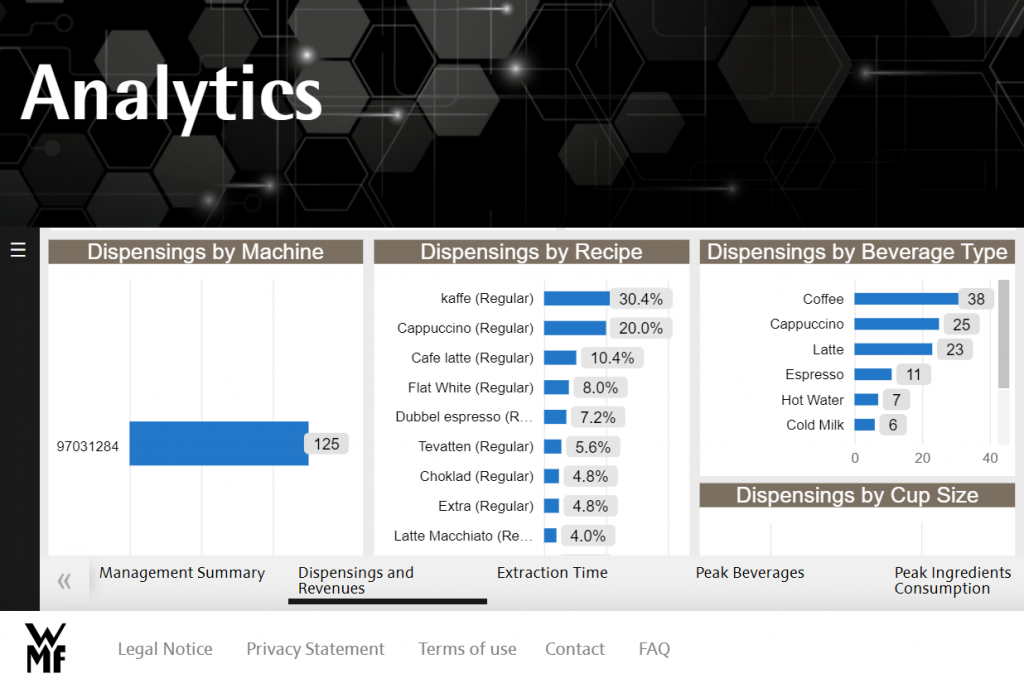
In essence, a connected coffee machine turns raw sales data into actionable insights. For venue owners—whether at a gas station, coffee shop, or conference centre—this data can drive dynamic pricing models that adjust for demand and time of day, similar to a pub’s “happy hour.”
Retailers can leverage the on‑device digital screen for targeted advertising or in‑store promotions, opening new revenue streams while simultaneously gathering real‑time market feedback on new beverage offerings.
Operators gain enhanced visibility into inventory levels and maintenance needs, cutting down on downtime. In fact, 20% of coffee sales losses at gas stations stem from machines being out of service; predictive maintenance can mitigate this.
Manufacturers benefit from sales analytics that reveal regional taste preferences. For instance, if mocha lattes and cappuccinos dominate a market, makers can design machines with larger milk compartments to meet demand—small design changes that reinforce customer loyalty and boost margins.
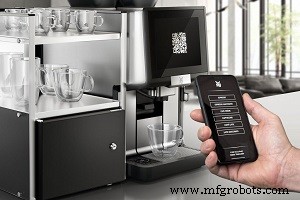
For the consumer, the ability to place orders via a smartphone and pay digitally introduces a secure, contactless, and hygienic experience—a feature that has become essential in modern settings.
Beyond cafés and gas stations, connected coffee machines enhance workplace coffee services. With improved supply tracking and reduced downtime, businesses can better align offerings with employee preferences, translating into tangible financial returns.
Consider an office with 200 employees: an IoT‑enabled machine can generate a net value of €1,300 per year, based on an annual coffee spend of roughly €45,000.

In a digital‑first world, enterprises must map their entire ecosystem—understanding internal capabilities, constraints, and potential partners—to unlock new markets or create larger business ecosystems. The IoT is more than connectivity; it’s about interlinking environments.
As neighbourhood cafés reopen and offices refill with mugs, the connected coffee machine will play a pivotal role in keeping patrons caffeinated, venues profitable, and suppliers engaged.
Author: Kyle Okamoto, General Manager, Ericsson IoT.
Internet of Things Technology
- IoT-Driven Supply Chain Management: Real-Time Asset Tracking & Fleet Optimization
- Revolutionizing Logistics: How IoT Drives Supply Chain Efficiency
- Augmented Reality: Transforming Connected Field Service
- COVID‑19 Drives Rapid Adoption of Robotics in Supply Chains
- Henkel’s Supply‑Chain Digital Twin: Driving $20B Value Through IoT and AI
- How Blockchain Is Transforming Global Supply Chains
- Building Resilient Supply Chains for Tomorrow’s Challenges
- Revolutionizing Coffee: How Blockchain Enhances Traceability, Transparency, and Fairness
- Driving Sustainability: How Supply Chains Shape a Greener Business Future
- Seven Proven Steps to Safeguard Quality Throughout Your Supply Chain