



Zirconia Refractories: Key Applications and Performance Insights
Zirconia Refractories: Key Applications and Performance Insights
With the rapid growth of the iron‑steel sector and the demand for more reliable electronic components, zirconia refractories are increasingly adopted. Zirconia (ZrO₂) is a chemically stable refractory oxide, with a melting point of 2,680 °C, making it ideal for high‑temperature applications.
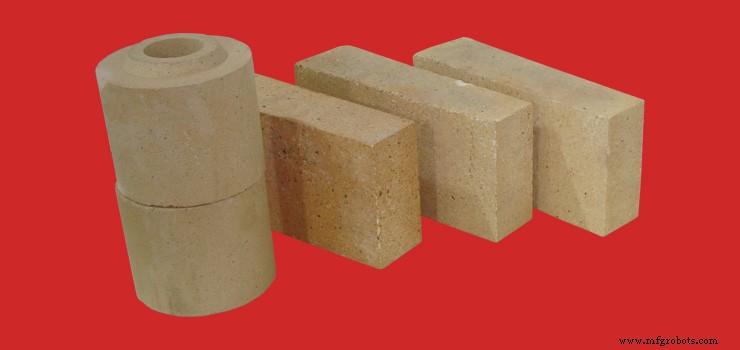
Electronics‑Grade Zirconia Refractories
In the electronics industry, zirconia refractories leverage both chemical inertness and phase‑change toughening to protect critical components from thermal shock.
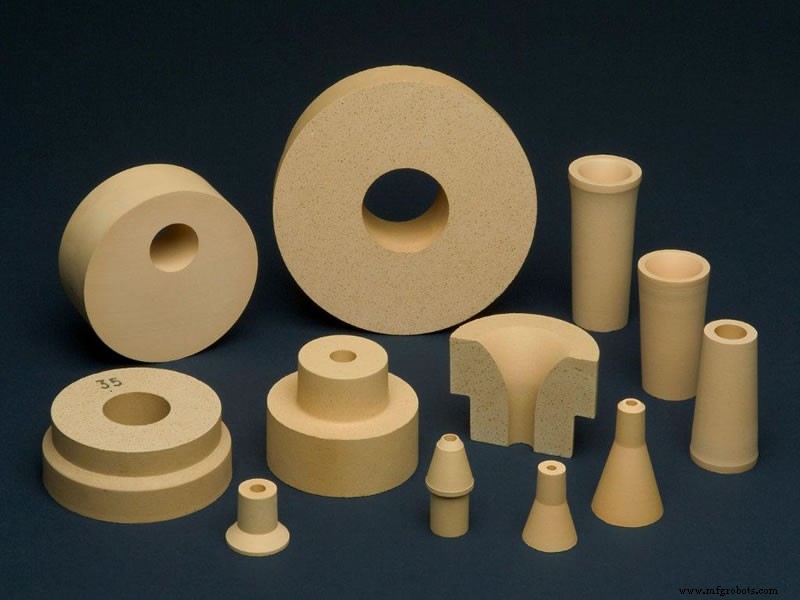
Zirconia Refractories
Zirconia is a cornerstone material for high‑temperature sectors—including steel, non‑ferrous metallurgy, petrochemicals, construction, machinery, power generation, environmental protection, and defense—serving as the backbone for furnaces and other thermal equipment.
Advancements in refractory technology are pivotal to the evolution of the high‑temperature industry.
Zirconia Metering Nozzles for Continuous Casting
A metering nozzle is critical in small billet continuous casting, regulating molten steel flow. Reliable operation demands excellent corrosion resistance, thermal stability, and dimensional integrity; any expansion or cracking can lead to excessive steel flow and potential leakage accidents.
Composite zirconia metering nozzles offer a low‑cost, high‑performance solution for casting runs under 500 minutes. Early continuous casting required short run times, and a 72–85 % zirconia content was adequate.
When casting times exceed 500 minutes, zirconia can react with molten steel constituents, forming fine zirconia particles and poly‑liquid phases that are easily washed away, causing nozzle expansion. Conventional zirconia nozzles then fail to meet the demand.
Electro‑cast refractories with β‑Al₂O₃ as the main phase combine high strength, superior refractoriness, and corrosion resistance, making them suitable for the upper structure of the masonry glass pool.
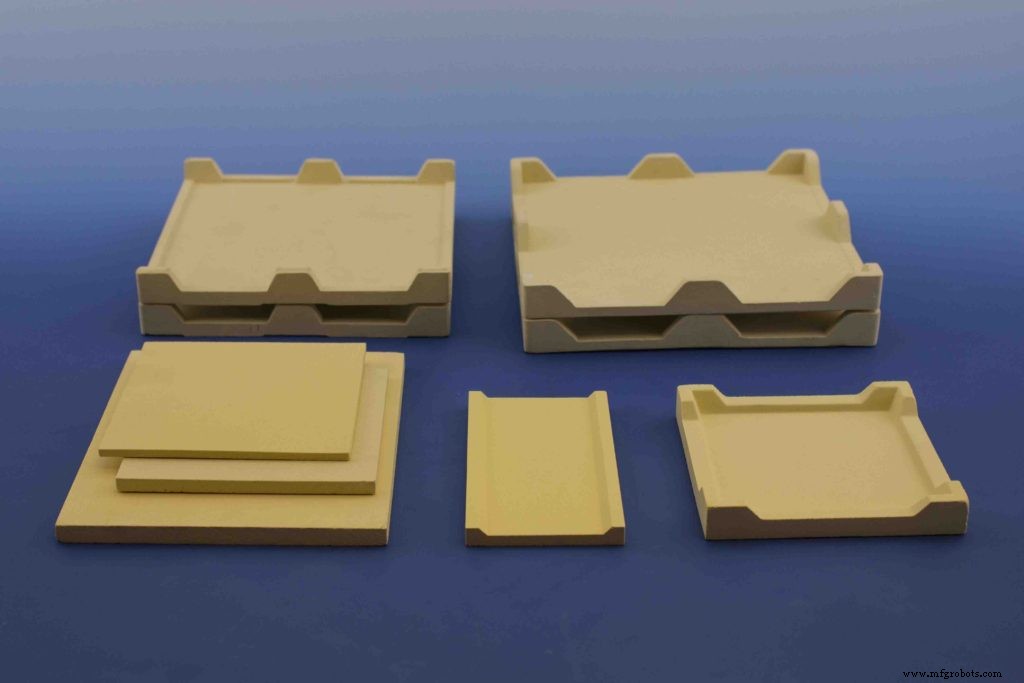
Zirconia Setter Plate
Zirconia Setter Plates
Zirconia setter plates are high‑strength, excellent thermal‑shock‑resistant refractory components fabricated from imported, ultra‑pure zirconia and sintered under precise temperature profiles. They ensure consistent performance for electronic ceramic products, raising yield rates.
Initially used in multilayer ceramic capacitors (MLCC), zirconia setter plates now also serve magnetic applications. This evolution demands stricter impurity control; plates must avoid chemical reactions with the final product and withstand rapid room‑temperature circulation.
Special zirconia refractories can be cast into amorphous forms for high‑temperature electric furnaces, thermal sensors, spray coatings, and other advanced applications.
Conclusion
Thank you for reading. For deeper insights into zirconia and its refractory applications, visit Advanced Refractory Metals (ARM). ARM, headquartered in Lake Forest, California, is a leading global supplier of high‑quality refractory metals—including tungsten, molybdenum, tantalum, rhenium, titanium, and zirconium—at competitive prices.
Metal
- Tungsten in Modern Warfare: Key Military Applications
- 4 Key Applications of Hafnium: From Electronics to Aerospace
- Zirconium Applications: How This Rare Metal Shapes Modern Technology
- Top Applications of Tungsten: From High‑Strength Alloys to Advanced Electronics
- 6 Key Applications of Molybdenum – From Steel to Medicine
- Tungsten in Alloy Design: Applications in Steel, Carbide, and Heavy Materials
- How New Technologies Are Transforming Refractory Materials
- Zirconia Refractories: Key Applications and Performance Insights
- Vibration Analysis Fundamentals: A Practical Guide for Predictive Maintenance
- Key Industrial Applications of Alloy A286: High Strength & Corrosion Resistance