



Exploring the Key Categories of Industrial Raw Materials
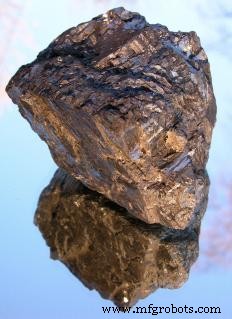
The term raw materials is sometimes used to describe only those materials that are found in nature, but in reality, industrial raw materials are any kind of basic material used by any industry to produce a product or service. This is an extremely broad category, and while entire books could be written on each of the various raw materials used by industries around the world, it is possible to roughly group them together by type and to give a few specific examples of some of the most common. The most basic division is into consumables, such as industry specific fuels and water, and materials that are converted into other products, like ores, timber, and crops.
Supplies, or consumables, are one category of industrial raw materials. All industry requires power of some kind to run its machines and factories, but some industries use specific types of power as they are more suitable to their purposes than others. Coal, natural gas, electricity, and in some cases, even firewood fall into this category. Steel industries, for example, use a great deal of coal for their furnaces, and some industries, like small pottery producers, consume wood in their kilns. Wood is used as a fuel by many restaurants, distillers, and by charcoal makers, for whom wood is not only a consumable but a raw material that is converted into a product.

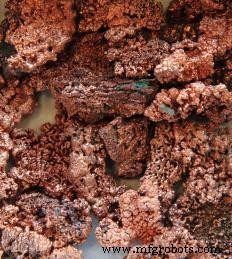
The other broad category of industrial raw materials also includes those materials that are converted or manufactured into products or services. Raw materials in this group fall into several subcategories. Ores, minerals, and other mined materials make up a large portion of all industrial raw materials, many of which are further refined into materials, like steel, copper, kaolin clay, and phosphate rock, that are used by other industries.

Some of these products can also be classified as consumables, like coal, raw crude oil, and the uranium that is used as fuel in nuclear reactors. Ores and minerals are an extremely varied group, and some examples of minerals include silica, which is used in the making of glass, aggregates used in making concrete, rock salt, and chalk. Ores of metals like lead, tin, copper, iron, and others are mined and consumed by industry in amounts that total millions of tons worldwide each year.

Organic natural resources are another group of materials that are converted into products or services. Timber, animals harvested for food and other products, and crops cultivated for food, textiles, and other products fall into this category. Millions of trees are felled each year for lumber for building, paper, and fuel. Some trees are used as a source of crops, some of which are used for food, such as tree nuts and tree fruits. Others, like rubber trees, produce raw materials, which produce raw latex, which is used in hundreds of types of rubber and other products. Fish, and animals that are trapped or raised for fur and food also fall into this group.
Many animal by-products, from both terrestrial and aquatic animals are used as raw materials by other industries, including the red pigment, cochineal, which is derived from a type of insect. Animal by-products are found in a large number of products, such as shellac and gelatin, which used in some foods and by many other industries. The swim bladders of certain species of fish are used to clarify beer.
Another type of industrial raw materials are those materials that are man-made, all of which are converted or manufactured in some way from naturally occurring materials. Every man-made product is the result of other products or materials that, at some level, originated from natural resources. Many industries exist only to convert certain raw materials into other raw materials to be used by other industries. An example of this are cloth manufacturers, who take materials like cotton, linen, and man-made fibers like nylon or polyester, and convert them to bulk cloth to be used by clothing manufacturers. Another would be the steel industry which uses raw iron ore to produce steel, which is then used by hundreds of other industries to produce their products.
Industrial equipment
- The Ultimate Guide to Nail Types: Understanding Every Variety
- The Four Core Types of Steel Explained
- Types of Sandblasting Media: Choosing the Right Material for Your Project
- Understanding the Various Roles of Factory Workers
- A Comprehensive Guide to Propane Fittings: Types, Uses, and Safety
- Cereal Crops Explained: Rice, Wheat, and Corn – The Backbone of Global Food Supply
- Exploring the Essential Hand Tools Every Carpenter and DIY Enthusiast Should Know
- Understanding Refrigerant Gases: Types, Functions, and Environmental Impact
- Explore the Variety of Textile Raw Materials: Natural & Synthetic Fibers Explained
- Exploring the Three Core Types of Agricultural Raw Materials